
Ørsted Advances Its U.S. Energy Storage Footprint While Preparing for Q2 Results
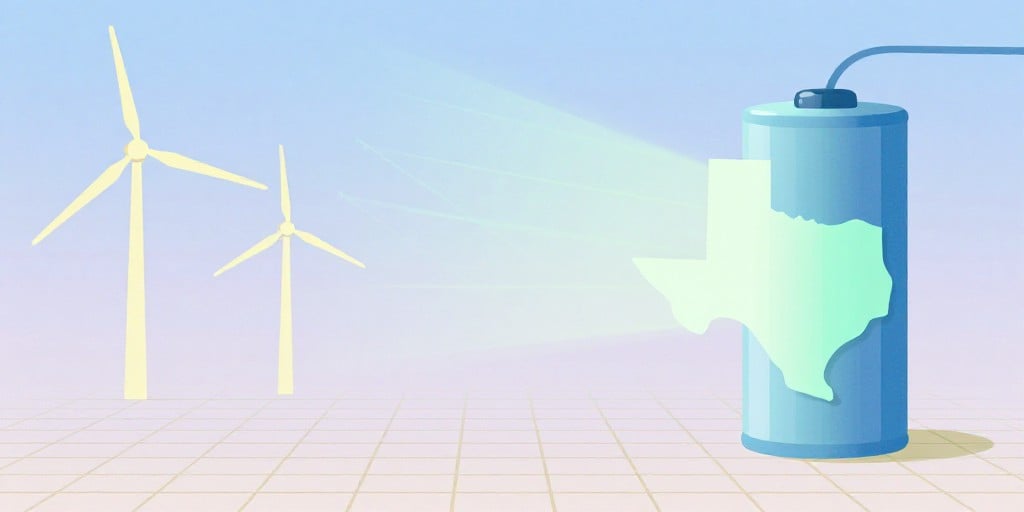
Ørsted’s latest operational milestone underscores its strategic shift toward integrated renewable and storage solutions in the United States. On 5 August, the Danish multinational announced that its Old 300 Storage battery energy‑storage system (BESS) in Needville, Texas, had entered commercial operations. The 250 MW/500 MWh installation, which co‑exists with a 430 MW solar farm, is now fully integrated into the ERCOT grid and will operate independently of the solar project, which has been generating electricity since 2024. The system employs Tesla Megapacks manufactured at Tesla’s Lathrop, California facility, cementing a partnership that blends Ørsted’s renewable expertise with cutting‑edge battery technology.
This project is Ørsted’s 12th installation in Texas, adding to its 6 GW portfolio of operating U.S. onshore assets. The company’s expansion into battery storage signals a decisive move to diversify its energy mix beyond wind and solar, positioning it to capitalize on grid‑balancing markets and the growing demand for dispatchable renewable capacity. The integration of storage also enhances the reliability of the co‑located solar farm, allowing Ørsted to smooth output variations and offer ancillary services to the grid.
In parallel, Ørsted is preparing to present its Q2 2026 financial results on 13 August at approximately 08:00 CEST. An earnings call will follow the interim report, providing analysts and investors an opportunity to probe the company’s performance. The presentation comes at a time when Ørsted is navigating political challenges in the United States. Recent commentary from Nordea analyst Lars Heindorff highlights the “farm‑down” strategy that has forced the company to sell in a buyer’s market, as well as ongoing political resistance to its offshore wind projects. Ørsted’s ability to maintain a disciplined bidding approach while managing regulatory headwinds will likely be a focal point during the earnings discussion.
While the U.S. market presents regulatory uncertainties, Ørsted remains committed to expanding its offshore wind presence. Haizea’s delivery of Hornsea 3 monopiles to Ørsted is a testament to the company’s continued investment in large‑scale offshore projects. The company’s strategy of pairing renewable generation with energy storage—evidenced by the Old 300 project—demonstrates a forward‑looking approach to value creation and grid integration.
As Ørsted moves forward, its dual focus on expanding U.S. storage capacity and advancing offshore wind infrastructure positions it as a key player in the transition to a decarbonised grid. The upcoming Q2 2026 results will offer critical insight into how these initiatives translate into financial performance and shareholder value.