
Current Market Conditions and Strategic Outlook for ABO Energy GmbH & Co KGaA
ABO Energy, listed on Xetra and trading in euros, has seen its share price slide from a high of 46.7 EUR in July 2025 to just under 6 EUR on 26 April 2026. The 52‑week low of 4.21 EUR has now been breached, and the stock sits well below its 200‑day moving average. With a market cap of 54.4 million EUR and a price‑earnings ratio of 2.24, the firm’s valuation is tightly compressed against the backdrop of a long‑term downtrend that has been in place since August 2025.
Technical Trigger – 50‑Day Line Breach
On 27 April, the share price fell beneath the 50‑day moving average at 5.79 EUR, closing at 5.72 EUR. This technical break is widely interpreted as a confirmation of the prevailing bearish bias. Market observers note that the stock’s trajectory has already been downward for nine months; a failure to rebound could bring the price to the five‑year floor of 4.25 EUR. The current position, already well below the 200‑day average, underscores the need for a decisive turnaround.
Operational Restructuring – From Developer to Producer
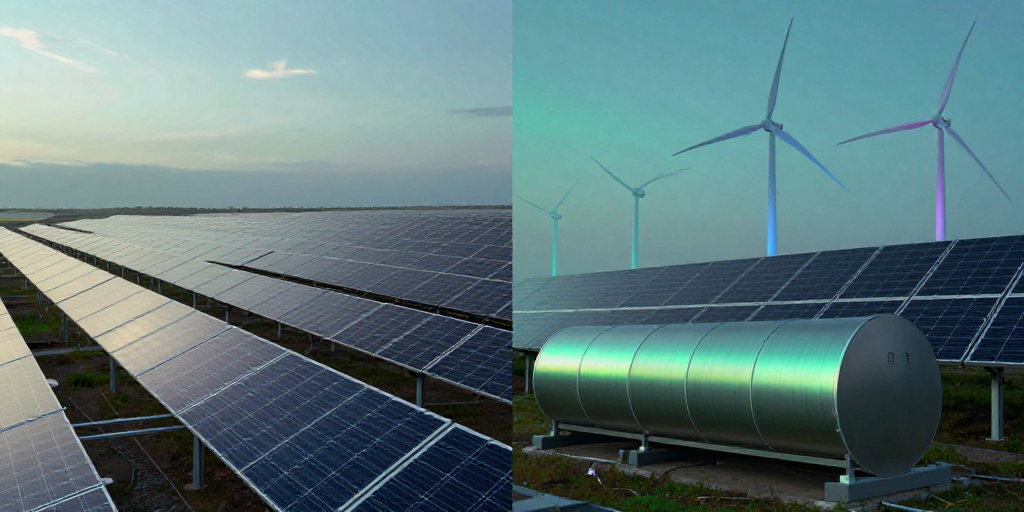
The Wiesbaden‑based company is actively pursuing a pivot from pure project development to independent power generation. In the Main‑Tauber Kreis, ABO Energy is building a 7.3 MW solar park with an attached battery storage system. Such hybrid projects signal a strategic shift toward stable, dispatchable generation that can reduce reliance on volatile wind‑auction revenues. The company’s stated objective is to transform its portfolio, thereby strengthening cash flows and mitigating the risk associated with German wind‑auction price volatility.
Financial Strain – Massive Losses and Governance Void
ABO Energy’s 2025 results are marred by a projected net loss of approximately 170 million EUR against a forecasted revenue of 230 million EUR. Key drivers include:
- Low wind‑auction tariffs in Germany that have squeezed feed‑in payments.
- Delays in overseas projects that have led to substantial write‑downs.
- Executive turnover, with CFO Alexander Reinicke exiting in March without an immediate successor, leaving a leadership vacuum during a critical restructuring phase.
The 13 August shareholder meeting in Wiesbaden will focus on these challenges, with the board expected to present a detailed restructuring plan and seek approval for a 1 year debt‑for‑equity swap.
Credit Support – Conditional Relief from Bondholders
In March, bondholders voted overwhelmingly to suspend a negative covenant until the end of 2026, effectively providing a safety net that allows ABO Energy to secure collateral for upcoming project tenders. This concession is vital for maintaining operations amid the current liquidity crunch. The bondholder representative has set up a dedicated communication channel to keep investors informed, a move that may improve transparency during the transition.
Political Environment – Potential Regulatory Shock
A proposed Berlin‑based legislation threatens to eliminate compensations for wind‑related grid shutdowns (the so‑called Redispatch‑vorbehalt). This policy shift could further erode profitability for wind developers, which directly impacts ABO Energy’s revenue streams in the German market. The company’s exposure to this regulatory risk is high, as its domestic projects contribute a substantial portion of its total turnover.
Forward‑Looking Assessment
Given the convergence of a steep technical decline, significant operating losses, and political uncertainty, ABO Energy’s immediate priority must be to stabilize cash flows and rebuild governance. The solar‑battery project and the shift toward independent generation are positive signals, but the company must:
- Secure a robust leadership team capable of steering the restructuring.
- Negotiate definitive debt restructuring to relieve short‑term liquidity pressure.
- Mitigate regulatory risk by diversifying its project portfolio across jurisdictions less exposed to the Redispatch‑vorbehalt.
- Leverage the bondholder support to maintain operational continuity while the company restructures its capital base.
If these steps are executed effectively, the firm could stabilize its share price above the 4.25 EUR five‑year floor and lay the groundwork for a gradual recovery. Failure to address these issues promptly will likely result in a deeper slide toward the long‑term support level, potentially forcing a more drastic restructuring or asset divestiture.