
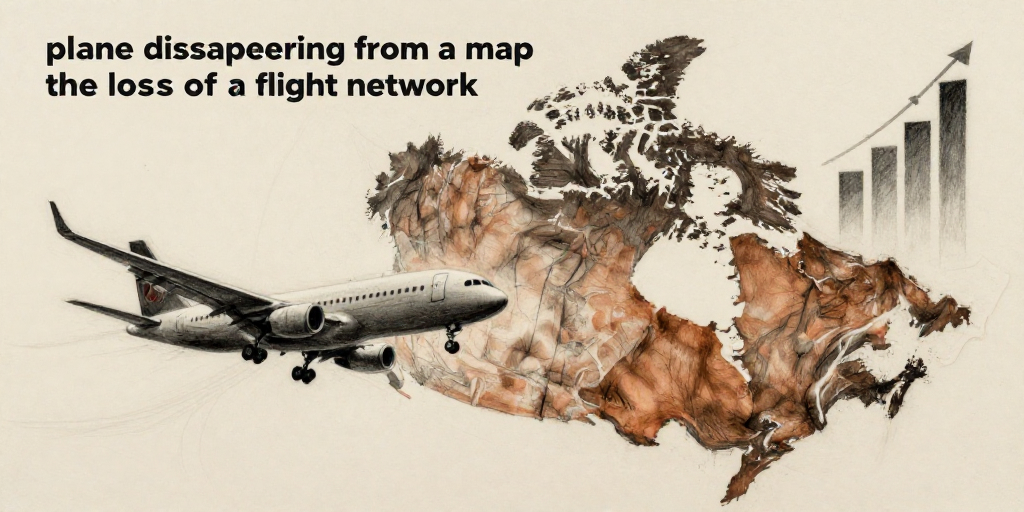
Air Canada Responds to Escalating Jet Fuel Costs
Air Canada announced a series of operational adjustments in response to the recent surge in jet fuel prices, a trend that has been amplified by geopolitical tensions in the Middle East, notably the conflict involving Iran. The airline has suspended or reduced flights on several key routes, citing the necessity to manage rising operational expenses.
Flight Cancellations and Suspensions
Yellowknife–Toronto Service: Beginning September 1, 2026, Air Canada will discontinue direct flights between Yellowknife and Toronto. The decision follows a sustained increase in jet fuel costs, which has impacted the viability of this route.
New York City (JFK) Routes: Flights from both Toronto (YYZ) and Montreal (YUL) to New York’s John F. Kennedy International Airport will be suspended for the period from June to October. The airline stated that the high fuel prices, driven by shortages and increased costs linked to the Iran conflict, necessitate this temporary halt. Similar cancellations have been announced for other NY‑bound services, including a reduction of four flights from Toronto to New York.
Other US Destinations: While specific routes beyond JFK were not detailed in the reports, the airline’s broader strategy indicates a temporary withdrawal from major US airports until fuel prices stabilize.
Financial Context
Air Canada’s stock, listed on the Toronto Stock Exchange, closed at CAD 18.68 on April 15, 2026. The company’s market capitalization stands at approximately CAD 5.49 billion, and its price‑to‑earnings ratio is 10.45. The airline’s asset base and operational scope encompass both passenger and cargo services on domestic and international schedules.
Upcoming Financial Disclosure
In anticipation of the impact on revenue and profitability, Air Canada has scheduled a Q1 earnings call for April 30, 2026. This call will likely address the financial implications of the flight suspensions and the broader effects of fuel price volatility on the company’s operating margins.
Industry Implications
The jet fuel cost surge is a challenge shared across the global airline industry. Several other carriers have reported similar operational adjustments or financial pressures, underscoring the sensitivity of airline profitability to energy price fluctuations. Air Canada’s current strategy reflects a broader industry trend of temporarily curtailing services to high-cost routes in order to preserve financial stability while awaiting market normalization.
The above information is compiled from the latest reports and company statements issued on April 17, 2026, reflecting Air Canada’s operational response to current fuel market dynamics.