
Air Canada’s Strategic Reboot: A High‑Stakes Transformation
The Canadian flag carrier is rolling out a sweeping overhaul that could redefine its competitive positioning. With a market capitalization of roughly 5.7 billion CAD and a price‑to‑earnings ratio of 10.07—well below its 52‑week high of 23.72 CAD—the airline is betting that bold, customer‑centric innovations will translate into shareholder value.
1. In‑Flight Entertainment Revitalised
On 15 April 2026, Panasonic Avionics announced that Air Canada would install its Astrova system on 86 aircraft, including the Airbus A321XLR and Boeing 787‑10. The rollout began on a single A321, and the airline plans to retrofit 19 more A321s. This move positions Air Canada as a leader in in‑flight engagement, a critical differentiator as consumers increasingly demand seamless connectivity and premium content.
2. Cabin Overhaul – “Glowing Hearted” Reimagined
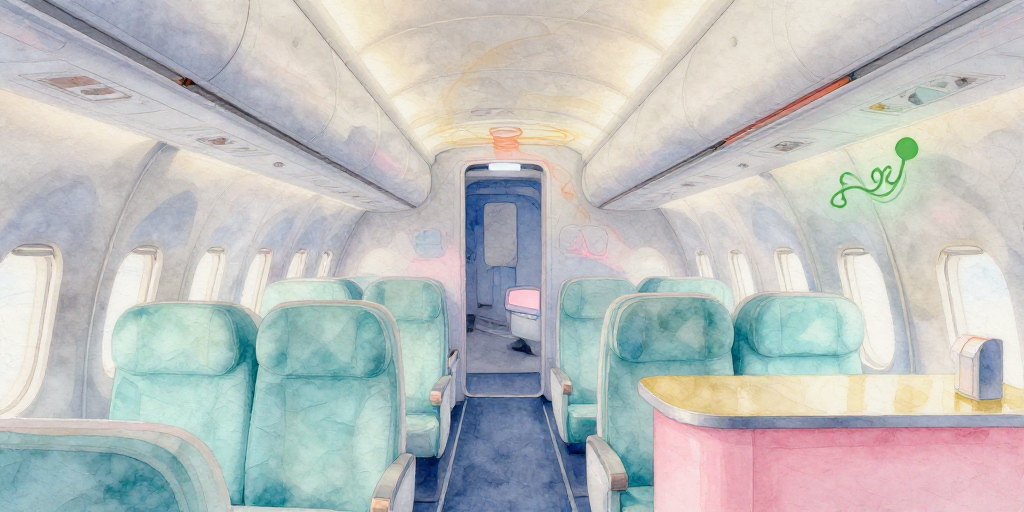
The same day, the company unveiled a new Glowing Hearted cabin design at the Aircraft Interiors Expo in Hamburg. The design, showcased on the upcoming A321XLR and 787‑10 Dreamliner fleets, features lie‑flat seats and touch‑less suites that promise a seamless transition from passenger to private space. Earlier, Air Canada had previewed a “luxe new business‑class seat” for the A321XLR and 787‑10, as well as refreshed coach and premium‑economy cabins. These investments demonstrate a commitment to premium differentiation—an essential strategy to capture higher‑margin passengers on long‑haul routes.
3. Premium Airport Experience Expands
Air Canada is not stopping at the cabin. On 14 April 2026, the carrier announced the launch of new Air Canada Café locations at Vancouver International Airport and Montréal‑Trudeau International Airport. The expansion aims to deepen the brand experience on the ground, enhancing loyalty and providing additional revenue streams.
4. Safety Incident Underscores Operational Risks
In contrast to these ambitious upgrades, the airline faced a severe safety incident on 14 April 2026. A senior flight attendant was ejected from an Air Canada aircraft during a LaGuardia crash, requiring multiple surgeries after fracturing both legs. The incident highlights the ongoing operational risks that can erode stakeholder confidence and drive regulatory scrutiny. Air Canada must balance innovation with rigorous safety standards to avoid repeating such events.
5. Financial Context
- Close Price (13 April 2026): 19.31 CAD
- 52‑Week High/Low: 23.72 CAD / 13.65 CAD
- Price‑to‑Earnings Ratio: 10.07
- Market Capitalization: 5,719,676,928 CAD
These figures suggest that the airline’s stock is currently undervalued relative to its historical peak. A successful execution of its cabin and IFE overhaul could justify a rally toward the 52‑week high, especially if passenger revenue per available seat kilometer (RPK) rises.
6. The Bottom Line
Air Canada is betting that a customer‑experience renaissance—from cabin comfort to digital engagement—will translate into higher yields and stronger brand equity. Yet the airline’s recent safety incident serves as a stark reminder that operational excellence remains paramount. Investors and industry observers will be watching closely to see whether the company’s strategic pivot delivers the promised upside or if the risks outweigh the rewards.