Air Canada Faces a Dual Crisis: Shareholder Concerns and a French‑Language Blunder
Air Canada’s shares fell 8.4 % this year, a sharp decline that has prompted investors to question whether the stock remains a viable long‑term investment. The company, whose stock closed at $17.91 on March 26 2026, sits in the upper‑mid tier of the Canadian industrial sector, boasting a market cap of $5.379 billion CAD and a price‑to‑earnings ratio of 8.624. Yet the recent turbulence at the corporate helm and a tragic incident that has drawn intense scrutiny have cast a pall over the carrier’s prospects.
The Crash That Sparked a Conflagration
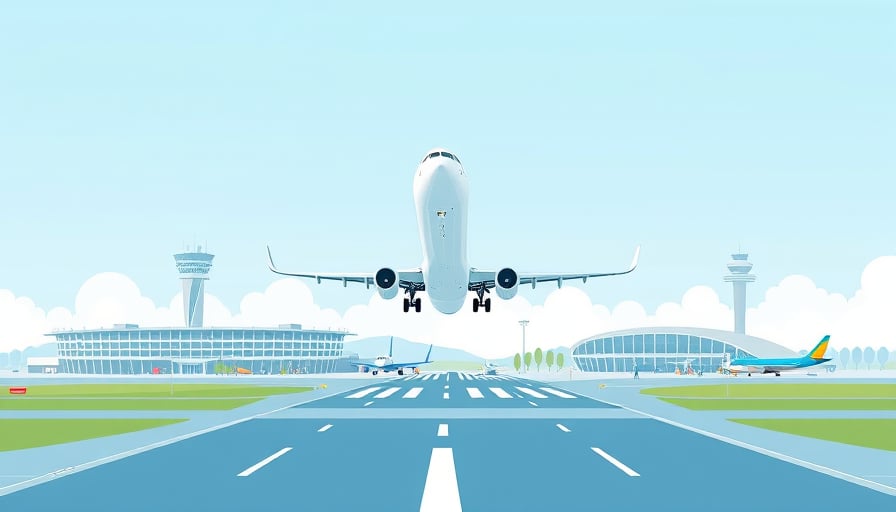
On March 25, 2026, Air Canada Express Flight AC8646 collided with a fire truck on the LaGuardia Airport runway, killing pilots Mackenzie Gunther and Antoine Forest. The incident prompted an immediate investigation into runway clearance procedures and raised questions about the airline’s operational safety standards. Bodies were recovered and repatriated to Ottawa on March 26, a grim reminder of the human cost behind corporate headlines.
The CEO’s English‑Only Condolence
In the wake of the tragedy, President and CEO Michael Rousseau released a video message to the families of the deceased pilots. The video was delivered exclusively in English, sparking a firestorm of criticism across Quebec, where French is the official language and a core part of the province’s identity. Critics argued that the choice of language reflected a lack of respect for Canadian cultural norms and, more importantly, diverted attention from the families’ grief. The message was labeled “lacking judgement” by several media outlets, and Rousseau subsequently issued a public apology, admitting his “inability to express myself adequately in French.”
Calls for Resignation
The controversy escalated quickly. The Quebec legislature passed a vote demanding Rousseau’s resignation, citing the failure to communicate in French as a breach of provincial values and a potential liability for the airline’s brand. The call for his resignation was echoed by the Canadian Press, the Montreal Gazette, and international observers such as Bloomberg and the Guardian. Rousseau’s subsequent statements—asserting that he was “deeply saddened” that his poor French skills had distracted from the victims’ families—have so far failed to quell the unrest among shareholders and employees alike.
Investor Reaction
The stock market’s reaction has been swift and unforgiving. Following the release of the video and the ensuing backlash, Air Canada shares tumbled, pulling the company below its 52‑week low of $12.69. The company’s price‑earnings ratio, standing at 8.624, now appears increasingly fragile against the backdrop of declining revenue expectations and a tarnished brand image. Analyst coverage on platforms such as The Motley Fool Canada has questioned whether the airline remains a buy, noting that the company’s close price of $17.91 is a mere fraction of its 52‑week high of $23.72.
A Crisis of Leadership and Image
The confluence of a fatal crash and a high‑profile language faux pas has exposed deep cracks in Air Canada’s leadership structure. While the operational implications of the LaGuardia incident are being examined by aviation authorities, the cultural and reputational ramifications of Rousseau’s English‑only message have set the stage for a prolonged period of uncertainty. The airline’s future will hinge on whether it can demonstrate a genuine commitment to safety and cultural sensitivity while restoring investor confidence.
In short, Air Canada’s stock is at a crossroads. The company’s financial fundamentals—market cap, earnings, and price‑to‑earnings—remain respectable, but the recent events have eroded the trust of both shareholders and the public. Only decisive action on safety, leadership accountability, and cultural respect will determine whether the airline can recover its standing in the highly competitive passenger airline sector.