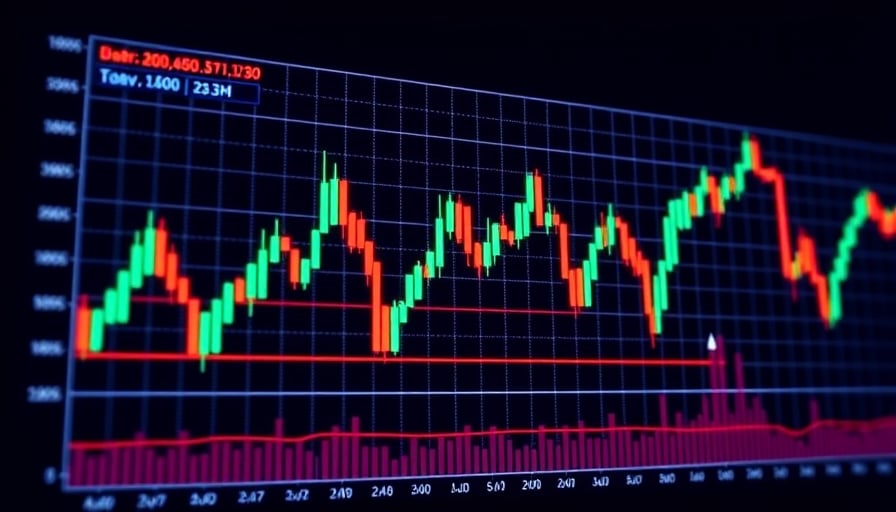
In the ever-evolving landscape of cryptocurrency, Bitcoin Cash (BCH) has once again captured the attention of investors and market analysts alike. As of April 3, 2026, Bitcoin Cash closed at a price of $441.319, a figure that, while significant, pales in comparison to its 52-week high of $668.063 recorded on January 4, 2026. This stark contrast underscores the volatility inherent in the cryptocurrency market, a volatility that Bitcoin Cash has weathered with a resilience that is both commendable and, to some, concerning.
The 52-week low for Bitcoin Cash, observed on April 6, 2025, stood at $250.793, illustrating a dramatic fluctuation in value over a relatively short period. Such volatility is not merely a testament to the unpredictable nature of the crypto market but also highlights the speculative fervor that often drives investment decisions in this space. Investors, drawn by the allure of high returns, must navigate these turbulent waters with caution, as the potential for loss is as significant as the opportunity for gain.
With a market capitalization of approximately $8.81 billion USD, Bitcoin Cash holds a position of considerable influence within the cryptocurrency ecosystem. This market cap, while impressive, invites scrutiny regarding the sustainability of such valuations in a market characterized by rapid shifts in investor sentiment and regulatory landscapes. The question arises: is the current valuation of Bitcoin Cash reflective of its intrinsic value, or is it inflated by speculative trading?
The fluctuations in Bitcoin Cash’s price and market cap are emblematic of broader trends within the cryptocurrency market. These trends include the increasing institutionalization of crypto assets, the ongoing debate over regulatory frameworks, and the technological advancements that continue to shape the future of digital currencies. As Bitcoin Cash navigates these challenges, its ability to adapt and innovate will be critical to its long-term success.
Critics of Bitcoin Cash, and indeed of cryptocurrencies more broadly, often point to the environmental impact of mining activities, the potential for use in illicit transactions, and the lack of regulatory oversight as significant concerns. Proponents, however, argue that the benefits of decentralized finance, increased transaction efficiency, and the democratization of financial services outweigh these drawbacks.
As we look to the future, the trajectory of Bitcoin Cash remains uncertain. Will it continue to experience the highs and lows that have characterized its journey thus far, or will it find a more stable footing in the ever-changing landscape of cryptocurrency? Only time will tell. However, what is clear is that Bitcoin Cash, with its significant market cap and historical volatility, will continue to be a focal point for investors, analysts, and regulators alike.
In conclusion, the story of Bitcoin Cash is far from over. As it stands at the crossroads of innovation and speculation, its future will undoubtedly be shaped by the decisions of its stakeholders, the evolution of the cryptocurrency market, and the broader economic and regulatory environment. For those invested in its journey, the path ahead is fraught with both risk and opportunity.