
BMW’s Ambitious yet Fragmented Path Forward
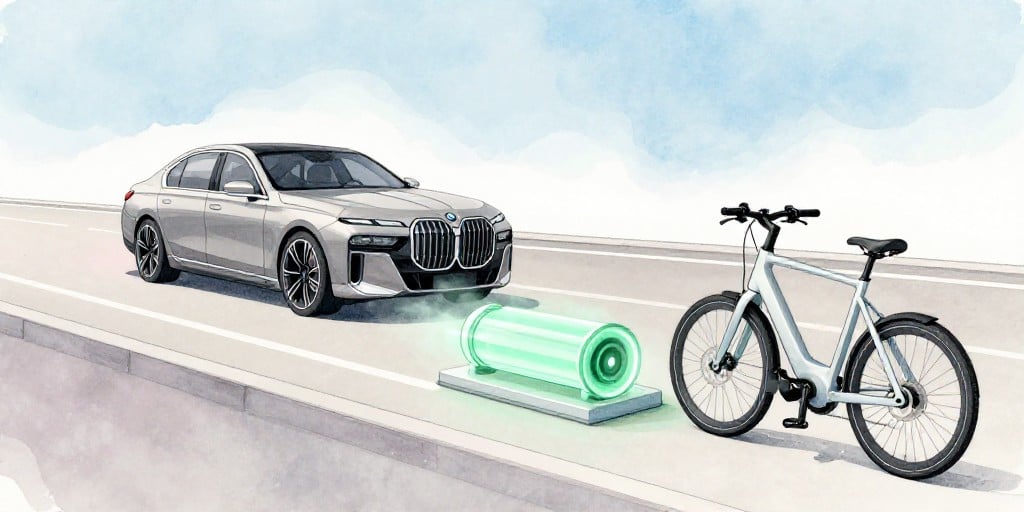
BMW’s latest product announcements reveal a company juggling multiple frontiers—electric luxury sedans, hydrogen‑powered SUVs, and a cautious stance on e‑motorcycles—while the broader market remains volatile. The German automaker’s strategic choices raise questions about its ability to maintain dominance amid fierce competition and shifting regulatory landscapes.
i7: A Luxurious Yet Incomplete Leap
On 23 May 2026, kauppalehti.fi reported that BMW finally launched its highly anticipated electric 7‑Series sedan, the i7. Although the vehicle inherits the premium heritage of its predecessor, the announcement highlighted a critical shortfall: “one desired feature was missing.” This omission signals a potential oversight in the company’s product‑development cycle, undermining the promised luxury experience. In an era where competitors such as Mercedes‑EQ and Audi Q 5 e‑Sportback are delivering fully integrated tech suites, BMW’s partial offering risks alienating its discerning clientele.
Hydrogen Innovation Meets Production Hurdles
Simultaneously, electrive.net disclosed that BMW’s Landshut plant has begun the pre‑series production of the “Energy Master” central control unit for the iX5 Hydrogen. This component will power the forthcoming hydrogen‑fueled SUV, a bold attempt to diversify beyond battery electric vehicles (BEVs). Yet the nascent stage of this technology, coupled with the industry’s slow adoption of hydrogen fuel cells, casts doubt on the commercial viability of the iX5. Should the unit fail to meet performance benchmarks or cost targets, BMW could face a costly diversion from its BEV trajectory.
E‑Motorcycle Strategy: Reticence Amid Rising Demand
BMW Motorrad’s cautious approach to electric motorcycles, reported by autogazette.de, stands in stark contrast to the rapidly growing e‑bike market. While the company’s flagship M‑Series and R‑Series bikes enjoy robust sales, its reluctance to accelerate electrification could cost it market share in the highly price‑sensitive segment. chip.de’s article on the company’s scale, “one hundred times bigger,” underscores the misalignment between BMW’s massive production capacity and its sluggish e‑motorcycle rollout.
Market Context and Investor Sentiment
Despite product setbacks, BMW’s market performance remains resilient. With a market cap of €45.23 bn and a price‑to‑earnings ratio of 6.84, the stock trades well below the 52‑week high of €97.92, reflecting cautious investor sentiment. In the DAX, finanzen.net noted mixed performances across German equities, and BMW’s trajectory will likely hinge on its ability to close the gaps highlighted in recent news.
Conclusion: A Company at a Crossroads
BMW’s simultaneous push into electric luxury, hydrogen innovation, and conservative e‑motorcycle policies illustrates a fragmented strategy. The company’s upcoming launches—i7, iX5 hydrogen, and potential e‑bike models—must deliver on promised features and cost competitiveness to regain the trust of premium customers and investors alike. Failure to do so risks cementing a perception of BMW as a company that sets ambitious goals but struggles to execute them fully.