
Braskem SA Faces a Perfect Storm: Sustainability Gains, Debt Turbulence, and Legal Headwinds
A Bold Shipping Move Amidst a Shaky Debt Structure
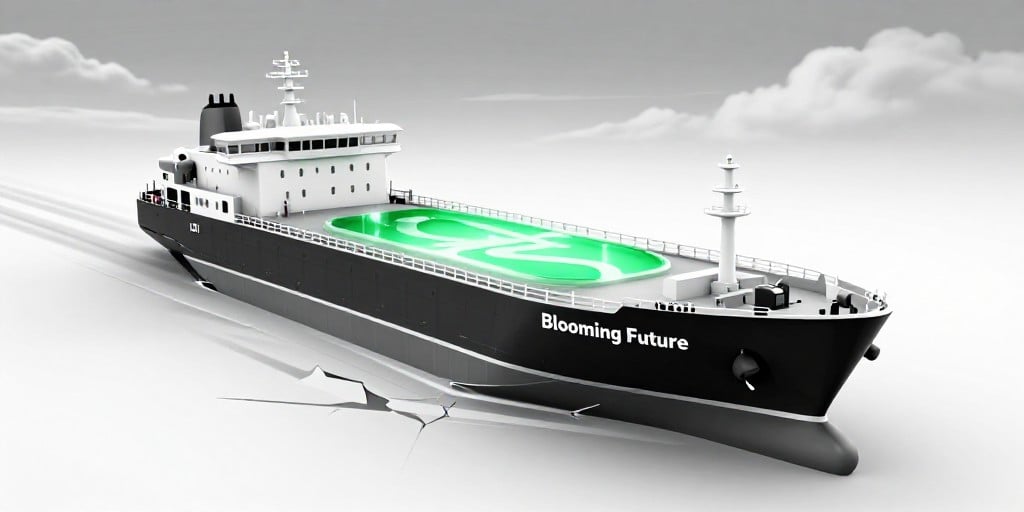
On 18 June 2026, Braskem SA announced the maiden voyage of Blooming Future, a next‑generation LR1 tanker designed to haul essential raw materials with heightened efficiency and a reduced carbon footprint. This move, positioned as a cornerstone of Braskem’s “sustainable fleet,” signals the company’s intent to reinforce its leadership in the polyolefins sector while courting environmentally conscious investors. Yet the launch arrives at a time when the firm’s debt renegotiations are floundering. According to Bloomberg reports, Braskem and its new controlling shareholder, IG4 Capital, are struggling to secure enough creditor support for an out‑of‑court restructuring proposal. Disagreements over uneven treatment and collateral allocations threaten to derail the plan, pushing the company toward an emergency order.
IG4 Capital’s High‑Risk Bet on Braskem and Raízen
IG4 Capital is not merely a passive investor; it is aggressively pursuing control over Braskem and the Brazilian conglomerate Raízen. Reuters notes that IG4 has approached Moelis & Company and Journey Capital with non‑binding offers to acquire credits and control of Raízen, a move that underscores IG4’s willingness to gamble on high‑stakes bets. This strategy raises questions about the strategic coherence of IG4’s portfolio and whether its focus on Braskem’s debt restructuring aligns with broader market realities. If IG4’s offers fail to materialise, the company may find itself stranded with a deteriorating balance sheet and an uncertain ownership structure.
Legal Challenges Compound Financial Strain
Braskem’s legal troubles are mounting. On 16 June 2026, the company faced a decline in shares after a court allowed a case against it over the sinking of soil in Maceió. Additionally, other legal challenges have been reported, with shares experiencing a noticeable drop. These lawsuits not only drain resources but also tarnish Braskem’s reputation—critical in an industry increasingly scrutinised for environmental stewardship. The convergence of litigation, debt restructuring difficulties, and ownership uncertainty creates a perilous environment for the company’s stakeholders.
The Broader Context: A Market in Transition
Braskem’s asset profile—spanning ethylene, propylene, PVC, and a host of other chemicals—positions it as a vital player in the global materials sector. Its market cap of approximately 1.04 billion EUR and a 52‑week high of 2.22 EUR underscore its market significance. However, the firm’s current challenges highlight a broader shift: traditional chemical manufacturers are under intense pressure to modernise supply chains, reduce emissions, and navigate complex regulatory landscapes. Braskem’s Blooming Future initiative is a step in that direction, yet without a robust financial foundation, it risks being a mere symbol rather than a substantive transformation.
Conclusion: A Company at Crossroads
Braskem SA stands at a critical juncture. Its ambitious sustainability initiatives, exemplified by the launch of Blooming Future, are commendable but insufficient to offset the fragility of its debt structure and the looming threat of legal sanctions. IG4 Capital’s aggressive pursuit of control over Braskem and Raízen introduces additional volatility, potentially destabilising the company’s strategic direction. Investors and industry observers must therefore scrutinise whether Braskem can reconcile its operational ambitions with the financial and legal realities that currently threaten its viability.