
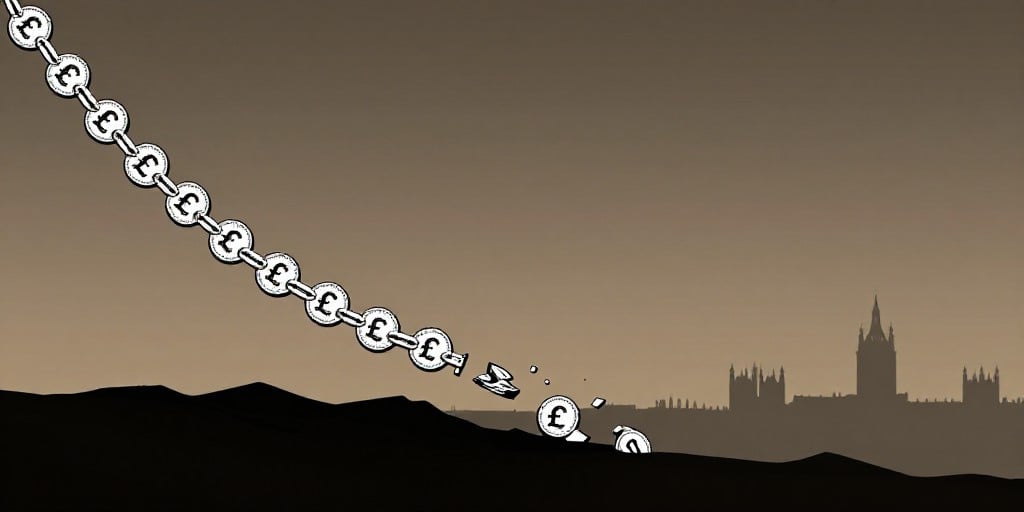
The Pound’s Plunge: A Crisis of Confidence
The British pound has plunged to 1.3446 against the dollar on 18 July, a steep decline from its 52‑week high of 1.3869. This slide is not a mere fluctuation; it is a symptom of deeper structural weakness in the United Kingdom’s economic outlook, amplified by political uncertainty and global market turbulence.
1. Political Turbulence Fuels Fear
On 19 July, a critical warning emerged from Bank of America directed at sterling investors. The bank’s analysis highlighted the “focus on the new UK government’s economic policy”, questioning whether fiscal discipline would endure under the new administration. The warning is reinforced by reports that the October budget will need to tread a cautious line between spending and austerity. This political volatility is a direct driver of the pound’s erosion: market participants are no longer confident that the new leadership can sustain a stable macroeconomic policy environment.
2. Global Market Sentiment Turns Negative
Across the globe, markets have been in retreat. Asian equities, notably the Nikkei, fell by 4 % on 17 July, while U.S. indices experienced broad selling pressure. In the United States, technology stocks—traditionally a pillar of market growth—have been under sustained attack, as highlighted by multiple reports on 17 July. This negative sentiment has spilled over into the currency markets, where risk aversion has accelerated the sell‑off of the pound.
3. Institutional Analysis Predicts a Bearish Trend
Goldman Sachs, in a June‑18 advisory, recommended a short position on GBP/USD following an “over‑extended rally.” The firm’s stance signals that even the most seasoned analysts foresee a continuing bearish trajectory. Meanwhile, a Deutsche Bank forecast on 17 July warned that the pound would “weaken further amid the UK leadership change.” These institutional forecasts are not mere speculation; they shape trader expectations and can become self‑fulfilling prophecies in the highly leveraged forex market.
4. Macro Data Adds Fuel to the Fire
While the pound has slipped below its 52‑week low of 1.30117, it remains far above the critical support level at 1.30, which would trigger a sharp acceleration of the decline. The European Central Bank’s forthcoming interest‑rate decision, coupled with UK inflation data, is poised to be a decisive event. If the ECB signals tightening or the UK inflation remains stubborn, the pound may face a steeper slide.
5. What Comes Next?
- Short‑Term: The pound’s current level suggests a potential for further deterioration should the UK budget reveal high spending or if the ECB raises rates. Traders may increasingly look for short opportunities, as evidenced by Goldman Sachs’ recommendation.
- Medium‑Term: Political risk will remain the dominant driver. Unless the new UK administration can deliver a credible fiscal roadmap, markets will likely continue to discount sterling.
- Long‑Term: Structural factors—such as the UK’s trade balance, productivity growth, and the aftermath of the post‑Brexit transition—will dictate the pound’s trajectory over the coming years.
In sum, the sterling’s decline is a clear barometer of confidence erosion in the UK’s political and economic environment. The convergence of a new, uncertain government, deteriorating global risk sentiment, and bearish institutional forecasts creates a perfect storm that will likely keep the pound in a sell‑side bias for the foreseeable future.