Broadcom’s AI‑Driven Momentum: A Critical Examination
Broadcom Inc. (NASDAQ: AVGO) has once again captured the attention of technology investors, not through incremental product releases but via bold claims of pioneering optical and AI infrastructure. The company’s latest press release on March 11th announced the first 400 Gb/s per lane optical DSP designed explicitly for next‑generation AI networks. This development, coupled with a surge in quarterly earnings that beat Wall Street expectations, has intensified speculation that the chipmaker is riding the AI boom rather than merely serving it.
Technological Breakthroughs vs. Market Reality
The 400 Gb/s optical DSP represents a significant technical milestone. By enabling higher data throughput and lower latency in AI inference pipelines, Broadcom positions itself as a critical enabler for data centers and hyperscale operators. However, the market’s enthusiasm appears largely speculative. The company’s current price‑to‑earnings ratio of 67.29—far above the industry average—suggests that investors are pricing in a future that may not materialize. Historically, semiconductor firms that overpromise on performance gains often struggle to sustain revenue growth once the novelty fades.
AI Growth Claims Under Scrutiny
Recent quarterly results, released on March 10th, highlighted revenue growth driven by AI workloads. The company’s narrative—that AI demand is “shattering expectations”—aligns with the broader market rotation away from traditional tech giants, as noted by BNN Bloomberg on March 10th. Yet, this narrative is tempered by a lack of transparency regarding the specific revenue sources. Broadcom’s diversified portfolio—including storage adapters, motion control encoders, and security software—may dilute the impact of AI‑specific gains on its overall financials.
Analyst Sentiment: A Mixed Signal
Morgan Stanley’s recent adjustment of price targets offers a clear illustration of the market’s ambivalence. While the analyst raised the target for Marvell Technology by 18.35%, he lowered it for Broadcom by 0.69%. This divergence signals caution: investors may view Broadcom’s AI initiatives as incremental rather than transformative. Additionally, TipRanks notes a modest decline in the stock’s short‑term momentum, reinforcing the view that the current rally may be overextended.
Investor Behavior and Valuation Concerns
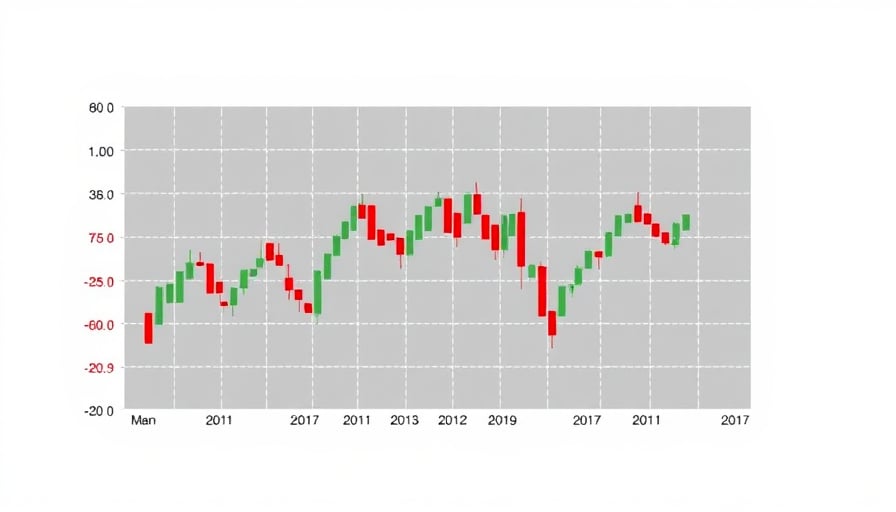
Broadcom’s share price closed at $342.58 on March 9th, a level roughly 17% below its 52‑week high of $414.61 and 9% above the 52‑week low of $138.1. The stock’s substantial market capitalization—approximately $1.57 trillion—underscores the scale of capital at stake. Nevertheless, the steep P/E ratio raises questions about whether the current valuation is justified by earnings growth alone. The company’s narrative of “modernizing, optimizing, and securing complex hybrid environments” may appeal to institutional buyers, but individual investors should consider whether the valuation premium is sustainable.
Conclusion
Broadcom’s announcement of a 400 Gb/s optical DSP for AI networks, coupled with a surge in quarterly earnings, has fueled a rally that some analysts regard as premature. While the technological leap is notable, the company’s lofty valuation, coupled with a lack of granular revenue attribution, suggests that the market may be overestimating the immediate impact of these developments. Investors should weigh the potential upside of Broadcom’s AI infrastructure against the risks inherent in a high‑growth, high‑valuation semiconductor stock.