
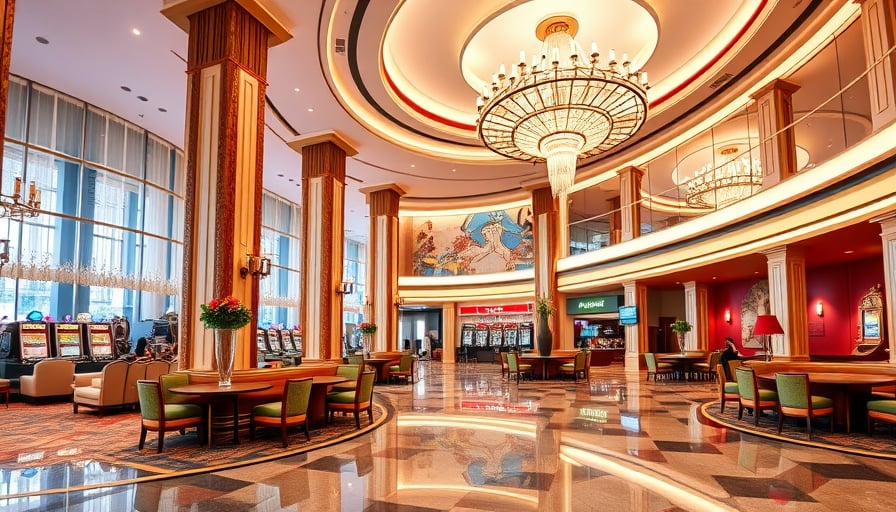
Caesars Entertainment: Negotiation Setback with VICI Properties Raises Questions About Future Growth
Caesars Entertainment Inc. (NASDAQ: CSG) closed the day on February 23 at $20.34, a figure that sits near the bottom of the company’s 52‑week range ($17.86–$34.68). The stock’s valuation has long been a point of concern, with a price‑to‑earnings ratio of –8.31 indicating that earnings have been negative in the most recent reporting period. Despite these challenges, Caesars remains a prominent name in the U.S. casino and resort sector, with a market capitalization of $4.12 billion.
A Quiet Pause in the VICI Properties Deal
On February 26, a story from Casino.org reported that VICI Properties, a real‑estate investment trust that owns many of Caesars’ casino properties, has muffled discussions regarding the sale or lease of Caesars’ regional casinos. While details remain scarce, the tone of the report suggests that the parties are either at an impasse or have chosen to keep negotiations low‑profile. For investors, this development is significant for several reasons:
- Capital Structure Impact – A finalized transaction could alter Caesars’ debt load and cash‑flow profile. The company’s current debt‑to‑equity ratio is above industry averages, and any refinancing or asset sale would affect leverage metrics that analysts closely monitor.
- Operational Flexibility – Regional casinos are a key revenue stream, especially in markets where Caesars faces intense competition from both traditional and online gaming providers. Delays or cancellations could constrain the company’s ability to invest in property upgrades or new entertainment offerings.
- Shareholder Value – If the deal were to proceed at a favorable valuation, it could unlock value for shareholders. Conversely, an unsuccessful negotiation might depress the stock further, especially as the company’s earnings outlook remains uncertain.
Industry Context and Competitive Pressures
Caesars operates a portfolio that combines brick‑and‑mortar resorts with gaming facilities and ancillary services such as food, beverage, and hospitality. The broader Consumer Discretionary – Hotels, Restaurants & Leisure sector has seen mixed performance in 2026, with consumer confidence fluctuating amid inflationary pressures and changing leisure habits. Additionally, the rise of online casino platforms (as noted in several Mashriq TV reports) is intensifying competition, forcing traditional operators to innovate or risk market share erosion.
What This Means for Investors
Given the company’s current negative earnings and the uncertainty surrounding the VICI deal, investors should:
- Monitor Earnings Guidance – Caesars’ upcoming quarterly report will be pivotal in assessing whether the company can generate positive earnings and how much capital will be needed for ongoing operations and potential debt service.
- Track the Negotiation’s Progress – Any public updates or filings with the Securities and Exchange Commission (SEC) will provide clearer insight into the deal’s status and financial implications.
- Assess Valuation Relative to Peers – Comparing Caesars’ price‑to‑earnings and market‑cap multiples to other casino and resort operators can help determine whether the current $20.34 price represents a discount or a valuation risk.
Outlook
While the VICI Properties negotiation remains in a state of limbo, it underscores the broader uncertainties facing Caesars Entertainment. The company’s ability to navigate capital structure challenges, adapt to evolving consumer preferences, and ultimately return to profitable operations will be critical in determining whether the stock can rebound from its current trough. Investors should remain vigilant for forthcoming disclosures that could clarify the company’s strategic direction and financial health.