
CENTRICA PLC – Half‑Year Review and Strategic Outlook
Centrica plc, the London‑listed multi‑utility firm headquartered in Windsor, reported a mixed first‑half performance that has prompted a reassessment of its 2027 outlook. While the company returned to profitability with a £672 million profit before tax, the earnings slide and forthcoming job cuts have tempered investor sentiment.
Profitability and Exceptional Items
The half‑year profit of £672 million marks a reversal from the loss of £43 million recorded in the same period last year. This turnaround was largely driven by a sharp reduction in exceptional charges and remeasurements, with exceptional gains of £213 million offsetting an exceptional loss of £618 million a year earlier. When excluding these non‑recurring items, the adjusted profit before tax stands at £459 million, a figure that still falls short of analysts’ expectations and raises questions about the sustainability of the earnings bump.
Job Cuts and Cost Discipline
In a bid to reinforce its balance sheet, Centrica announced the elimination of 1,300 jobs across its business units. The move is part of a broader cost‑control programme aimed at restoring profitability and reducing operational risk. While the job cuts are expected to lower the company’s operating expenses, they also signal a cautious stance as Centrica navigates a challenging energy market.
Energy 2027 Outlook Revision
Centrica’s revised outlook for 2027 reflects a more conservative revenue and earnings forecast. The company has lowered its guidance to account for weaker wholesale energy prices, heightened regulatory scrutiny, and the volatility of renewable generation. The adjusted forecast underscores a shift from growth‑driven momentum to a focus on resilience and cash‑flow generation.
Nuclear Asset Extensions
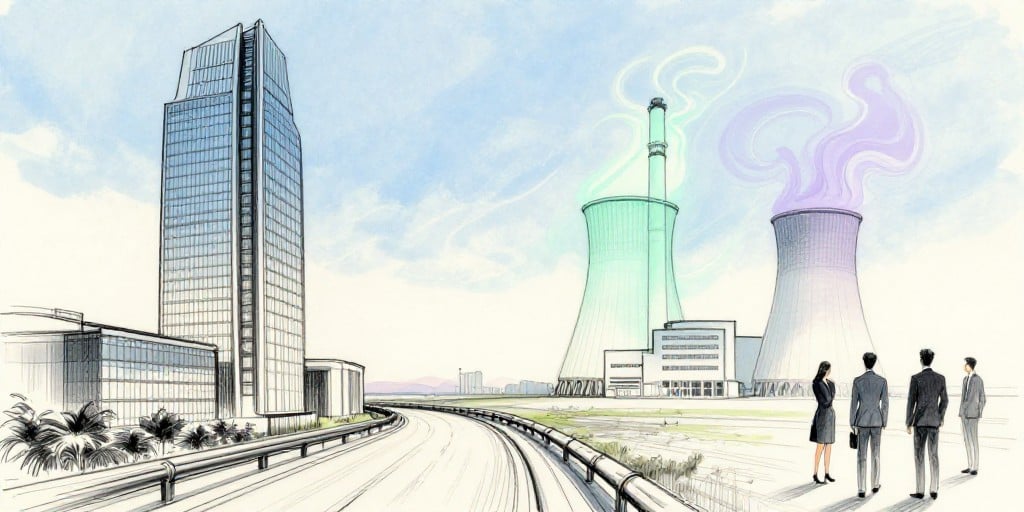
Amid the earnings reassessment, Centrica secured further life extensions for two of its UK nuclear power stations. The extensions, announced on 22 July, are expected to provide a stable base‑load source of low‑carbon electricity, thereby supporting the company’s long‑term energy mix and mitigating exposure to volatile market conditions. The extensions also bolster Centrica’s strategic positioning as a provider of diversified, low‑emission energy services.
Market Reaction and Dividend Policy
The market has reacted sharply to the mixed signals. Shares slipped following the earnings announcement, trading below the 52‑week low of £153.6 and close to the 52‑week high of £220.3. Despite the earnings dip, Centrica maintained its dividend policy, signalling confidence in its cash‑flow generation capability. However, investors remain cautious, with the price‑earnings ratio reflecting a negative value of –119, indicative of the company’s current earnings volatility.
Forward‑Looking Assessment
Centrica’s return to profitability, coupled with the strategic nuclear asset extensions, provides a foundation for stabilising its revenue streams. Nonetheless, the job cuts and revised 2027 outlook suggest that the company will prioritize cost discipline and risk mitigation over aggressive growth. The key to Centrica’s future will lie in its ability to:
- Leverage Nuclear Extensions – Utilize the extended nuclear assets to secure long‑term, low‑cost generation and to offset market price swings.
- Streamline Operations – Continue to trim costs through further efficiency gains, ensuring that the workforce reduction translates into sustained profitability.
- Navigate Energy Volatility – Adjust its energy portfolio to balance traditional supply with renewables, maintaining flexibility amid regulatory shifts and price fluctuations.
- Maintain Dividend Confidence – Preserve dividend payouts as a signal of cash‑flow stability, thereby retaining investor confidence despite earnings volatility.
In conclusion, Centrica’s latest half‑year results portray a company in transition: recovering from a loss, realigning its cost structure, and securing strategic assets to underpin future earnings. While the market has responded skeptically to the earnings slide, the firm’s proactive measures—especially the nuclear extensions—position it to navigate the evolving energy landscape with a focus on resilience and sustainable growth.