
Market Context
The global energy landscape remains volatile as geopolitical tensions in the Persian Gulf continue to disrupt supply chains. The United States’ recent dismissal of Iran’s counter‑proposal to end the conflict has pushed crude prices to a multi‑week high, reinforcing the narrative that supply shocks will persist for the foreseeable future. In this environment, oil‑major stocks have rallied, with the S&P 500 and Nasdaq recording gains and the Dow Jones advancing modestly.
Chevron’s Strategic Moves
Offshore Exploration in Syria
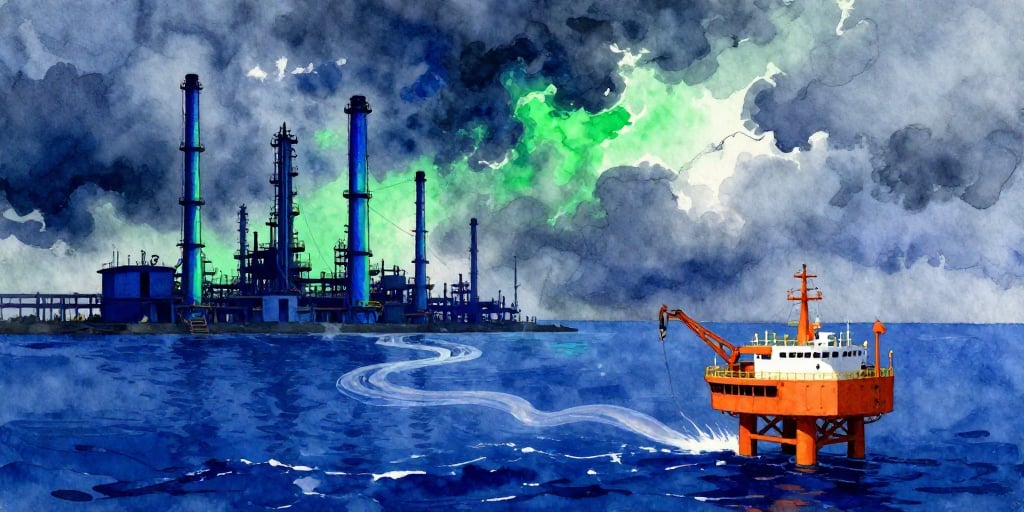
On 11 May 2026, Chevron announced a partnership with Syria to explore offshore oil fields. The collaboration represents a calculated expansion into a region that, despite its political risks, offers significant hydrocarbon reserves. By securing a foothold in the Syrian continental shelf, Chevron diversifies its upstream portfolio and positions itself to capitalize on the expected uptick in demand as global inventories continue to deplete.
Shareholder Returns
Chevron has returned over $5 billion to shareholders for the sixteenth consecutive quarter. This sustained payout strategy underscores the company’s confidence in its cash‑flow generation capabilities and its commitment to delivering value to investors in a market that has rewarded oil majors for their resilience amid geopolitical uncertainty.
Financial Snapshot
- Close Price (07 May 2026): $181.62
- 52‑Week High (29 Mar 2026): $214.71
- 52‑Week Low (21 May 2025): $133.77
- Market Capitalisation: $360.8 billion
- Price‑to‑Earnings Ratio: 31.68
Chevron’s valuation, while elevated relative to the broader market, reflects the premium investors place on its upstream exposure and robust dividend policy. The company’s operations span the entire value chain—from production and transportation to refining, marketing, and distribution—providing a stabilising effect against commodity price swings.
Investor Implications
Dividend Yield Advantage The continued payout of over $5 billion in dividends reinforces Chevron’s position as a leading income generator, making it attractive to yield‑centric portfolios, especially as high‑growth technology stocks rotate out of favor.
Geopolitical Exposure While the Syria partnership opens new revenue streams, it also amplifies exposure to regional instability. Investors should monitor diplomatic developments and regulatory approvals that could impact project timelines.
Price Sensitivity Chevron’s share price has demonstrated resilience, trading within a $80‑point range since its 52‑week low. The recent surge in crude prices is likely to lift earnings further, but volatility remains a consideration.
Forward‑Looking Perspective
Given the sustained geopolitical tensions and the accompanying upward pressure on oil prices, Chevron is positioned to benefit from higher revenue streams across its upstream and downstream segments. The company’s disciplined capital allocation—evidenced by consistent shareholder payouts—provides a buffer against market swings and positions Chevron as a steady performer in a turbulent sector.
For investors seeking exposure to the energy sector with a blend of growth potential and income stability, Chevron’s recent strategic initiatives, robust financial foundation, and proactive dividend policy render it a compelling candidate for long‑term inclusion.