
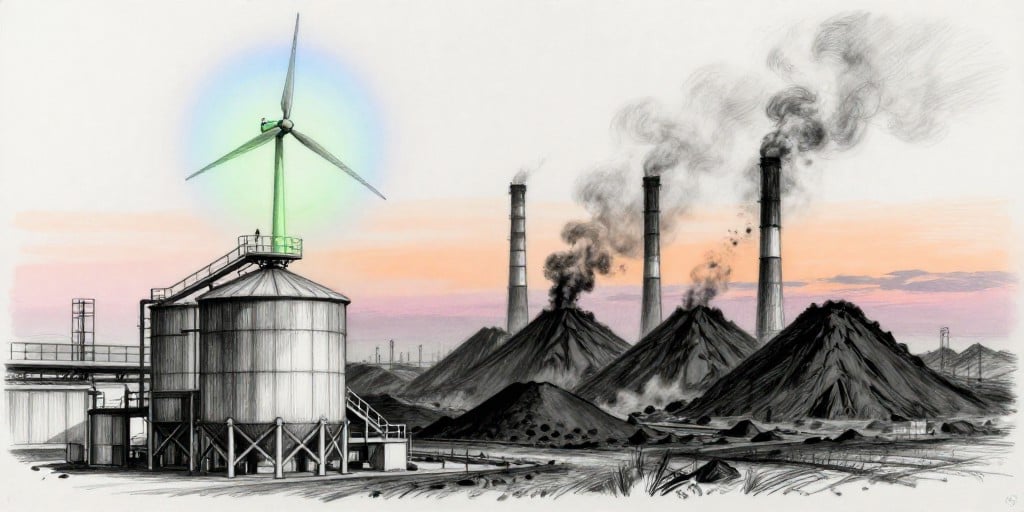
Coal Market Dynamics and Strategic Implications
The coal sector remains a pivotal element of global energy supply, even as renewable generation gains traction. Recent developments across key geographies and companies underscore a complex interplay of demand, supply, and geopolitical risk that will shape the market in the coming months.
1. Corporate Earnings Outlook
Coal India’s Q1 FY27 Preview On July 24, 2026, analysts anticipated that Coal India’s revenue and profit would rise, although margins may remain under pressure. This view aligns with the broader Q1 earnings calendar that includes industry peers such as Bharat Electronics, L&T, and Tata Steel. Investors will scrutinize management commentary on demand trends, cost structures, and the impact of regulatory changes that could influence coal utilization in power generation.
Impact on Market Sentiment Positive revenue signals bolster investor confidence in coal-related infrastructure and supply chains. However, margin concerns suggest that cost escalation—particularly in logistics and labor—could temper valuation growth. The market will likely reward companies that demonstrate disciplined cost control while maintaining robust coal production and distribution networks.
2. Global Demand Trends
Record Coal Consumption in 2025 Forbes reported that global coal use reached a record high in 2025, driven largely by industrial and power sectors in Asia. Despite a decline in coal‑powered electricity generation, overall consumption remained resilient, reflecting persistent demand for coal in manufacturing and export markets.
Geopolitical Influences The war in the Middle East has spurred a sharp rise in coal and energy markets. In July 2026, heightened security concerns in the Strait of Hormuz elevated oil prices, indirectly boosting coal consumption as Asian utilities sought alternative fuels during periods of oil volatility. Senior analysts at the Council on Foreign Relations predict sustained elevated coal usage in the short term, with implications for supply chain stability and pricing.
3. Regional Developments
Australia
- Idemitsu Kosan’s Energy Transition Initiative Idemitsu’s proposal to install a 108 MW/864 MWh vanadium flow battery at the former Muswellbrook Coal Mine demonstrates a shift toward integrating storage solutions with legacy coal infrastructure. This move signals an emerging trend where coal mines are repurposed to support renewable integration, potentially extending the useful life of coal assets.
South Africa
- Railway and Funding Challenges Multiple mining weekly reports highlighted limited funding options for South African coal miners, even as the country’s coal remains integral to GDP and electricity supply. Concurrently, progress on the TFR coal rail line improvements indicates a strategic focus on enhancing logistics, which could reduce transportation bottlenecks and lower costs for exporters.
Indonesia
- Coal Supply Assurance to the Philippines Indonesia’s commitment to a steady coal supply for the Philippines, as reported by The Manila Times and The Philippine Star, underscores the geopolitical importance of coal as a strategic commodity. This assurance mitigates supply risk for the Philippines, which relies heavily on coal for power generation, and reinforces Indonesia’s role as a key regional supplier.
4. Market Sentiment and Investor Focus
- Stocks to Watch: According to zeebiz.com, Coal India, Tata Power, and other energy-related stocks are on investors’ radar. Positive earnings momentum and strategic initiatives, such as energy storage projects, may attract capital inflows.
- Renewable Competition: While solar surpassed coal and wind in May 2026 (EIA data), coal still dominates in regions where renewable penetration is limited. Investors must weigh the long‑term transition risk against short‑term profitability.
5. Forward‑Looking Perspective
The coal market is at a crossroads. Geopolitical tensions and supply chain constraints are temporarily supporting coal prices, while renewable integration projects are gradually redefining the value proposition of coal assets. Companies that proactively diversify—through storage, renewable co‑location, or cost optimization—will likely outperform peers. Investors should monitor earnings releases, policy shifts, and infrastructural projects that signal a company’s adaptability to an evolving energy landscape.
This analysis synthesizes the latest financial and geopolitical developments affecting the coal sector. It is intended for professional investors and market analysts seeking a concise yet comprehensive overview of current trends and strategic implications.