Cokal Ltd, an Australian entity entrenched in the metals and mining sector, has recently disclosed its half-year financial results for the period ending 31 December 2025. The report paints a grim picture, revealing a continued financial hemorrhage and an expanding chasm between current liabilities and assets. This situation underscores a precarious financial standing that demands immediate scrutiny and strategic recalibration.
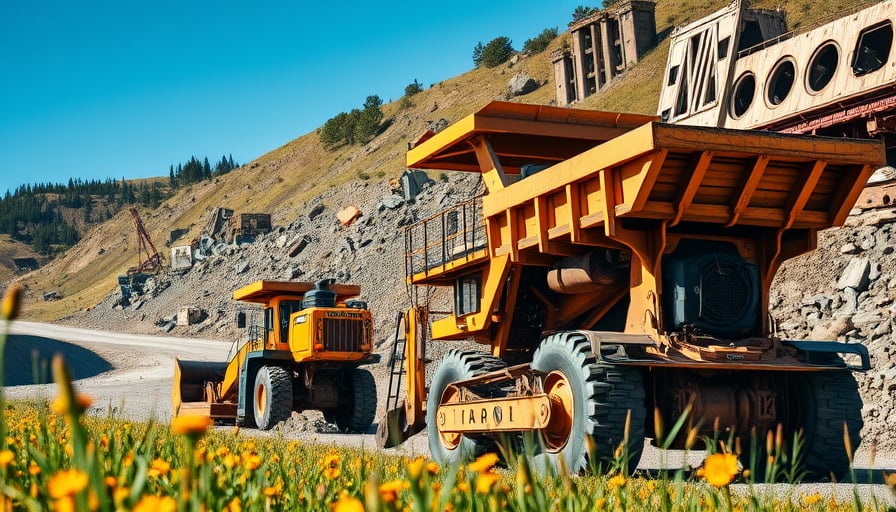
Operating primarily in Indonesia and Tanzania, Cokal Ltd’s focus has been on the Bumi Barito Mineral coking coal project in Central Kalimantan. Despite recent advancements, such as the resumption of coal shipments and progress in contractor mobilisation, the company’s financial health remains in jeopardy. Infrastructure upgrades, including haul-road improvements and the construction of a magazine warehouse, are steps in the right direction. However, these developments are overshadowed by the company’s reliance on debt facilities from International Commodity Trade and other lenders. This dependency on borrowed capital to fuel operations and infrastructure projects raises questions about the sustainability of its business model.
The financial metrics further illuminate the company’s dire situation. With a close price of 0.064 AUD as of 15 March 2026, a significant drop from its 52-week high of 0.085 AUD, and a market capitalization of 67,973,784 AUD, Cokal Ltd’s valuation reflects investor apprehension. The ratio price earnings standing at -6.41 is a stark indicator of the company’s inability to generate profit, casting a long shadow over its future prospects.
Despite these challenges, the directors of Cokal Ltd maintain a stance of cautious optimism. They assert a reasonable expectation that the company will be able to meet its obligations as they mature. This assertion, however, is juxtaposed against the backdrop of current negative cash flow and significant net liabilities. The absence of declared dividends further underscores the financial strain the company is under, leaving shareholders in a state of uncertainty.
In conclusion, while Cokal Ltd has made strides in operational development and infrastructure enhancement, its financial health remains a cause for concern. The company’s heavy reliance on debt financing, coupled with its inability to turn a profit, poses significant risks to its sustainability. As Cokal Ltd navigates these turbulent waters, the need for a strategic overhaul is evident. Without a shift in its financial strategy and operational efficiency, the company’s future remains precarious, warranting close observation from investors and stakeholders alike.