
CSX Corp. Navigates a Strategic Shift Amid Cost‑Cutting and Operational Enhancements
Workforce Restructuring
CSX Corp. has announced a 166‑manager layoff as part of a broader effort to streamline its operating structure. The decision, disclosed on January 9, 2026, represents a 5 % reduction in its management workforce and signals a renewed focus on cost efficiency. Concomitantly, the company has furloughed a number of conductors, a move that aligns with the broader industry trend of trimming support functions to preserve capital in a tightening economic climate.
Implications for Operations: With a leaner management layer, CSX aims to accelerate decision‑making and reduce overhead. The furlough of conductors, while temporary, may compel the firm to rely more heavily on automated systems and cross‑trained crews, potentially accelerating its investment in technology solutions such as predictive maintenance and real‑time traffic management.
Employee Impact: The layoffs will affect a significant portion of the workforce, prompting questions about morale and retention. However, CSX’s public statements emphasize a commitment to maintaining a high‑performance culture and ensuring that remaining employees are equipped with the resources to drive future growth.
Infrastructure Upgrade at Willard Yard
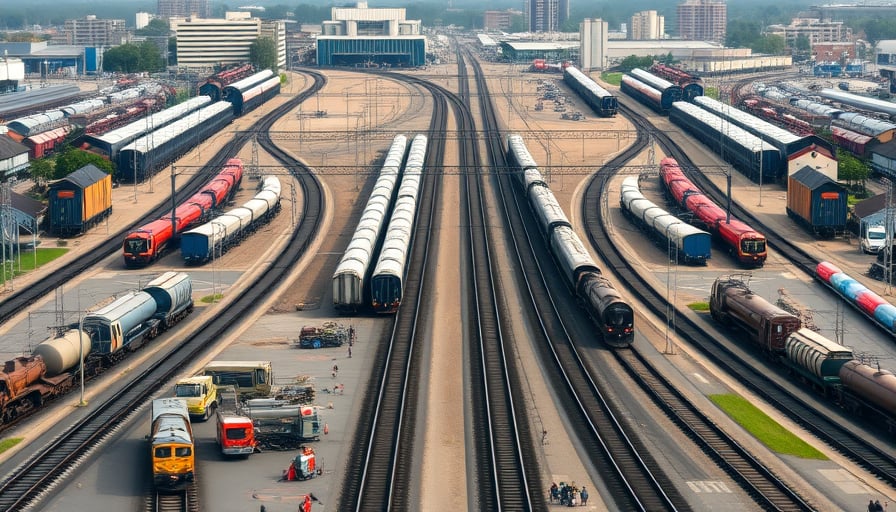
On January 8, CSX completed a critical infrastructure upgrade at the Willard Yard in Ohio. The project involved reconnecting the hump area to the classification yard with new switches and track panels, and converting old power switches to hand‑throw mechanisms to enhance ground‑crew control.
Operational Benefits: The upgrade is expected to increase the yard’s daily car capacity, improving throughput and reducing bottlenecks. By modernizing the switching system, CSX enhances safety and reliability, a key factor in maintaining service levels for its intermodal and container‑shipping clients.
Strategic Positioning: Willard Yard serves as a pivotal hub within CSX’s eastern network. Strengthening its infrastructure aligns with the company’s long‑term objective of optimizing asset utilization and supporting the growing demand for rail‑based freight solutions.
External Incidents and Safety Considerations
A tragic incident involving a CSX train striking a teenage pedestrian in Brandon, Florida, was reported on January 8. While the passenger sustained non‑life‑threatening injuries, the event underscores the importance of robust safety protocols, particularly as CSX navigates workforce reductions that could affect operational vigilance.
- Safety Response: CSX’s safety division is likely to review and reinforce training and emergency response procedures. The incident may prompt additional investment in surveillance and communication systems at rail crossings.
Industry Context
The logistics and rail sectors are experiencing a wave of layoffs, bankruptcies, and capacity constraints at the onset of 2026, as highlighted by FreightWaves. CSX’s moves reflect an industry‑wide recalibration towards leaner operations and heightened automation to counteract reduced contract volumes and tighter credit conditions.
Forward‑Looking Assessment
Financial Outlook: With a market cap of approximately $65.8 billion and a P/E ratio of 22.87, CSX remains well‑capitalized. The recent workforce reductions are expected to improve earnings quality by curbing fixed costs, potentially supporting a tighter operating margin.
Strategic Opportunities: The Willard Yard upgrade and other infrastructure enhancements position CSX to capture shifting freight volumes toward rail, particularly in the eastern United States where its core services are concentrated. Coupled with a focused cost structure, CSX is poised to enhance service reliability and customer satisfaction.
Risk Factors: Continued industry volatility, potential labor unrest following furloughs, and the need to maintain safety standards in a leaner workforce pose risks. However, CSX’s proactive asset optimization and disciplined cost management should mitigate these concerns.
In sum, CSX Corp. is undertaking a deliberate restructuring that balances immediate cost savings with strategic infrastructure investment. By tightening its operational base while reinforcing critical network nodes, the company is positioning itself to navigate the current economic headwinds and capitalize on the evolving freight transportation landscape.