Devon Energy Corp: Navigating a Shale‑Driven Landscape Amid Market Activity
The independent energy company Devon Energy Corp (NYSE: DVN) has been a focal point for investors this week, with a series of trades by institutional investors and a renewed focus on its U.S. shale operations. Below is an overview of how recent developments are shaping the company’s outlook.
1. A Sharply Focused U.S. Play
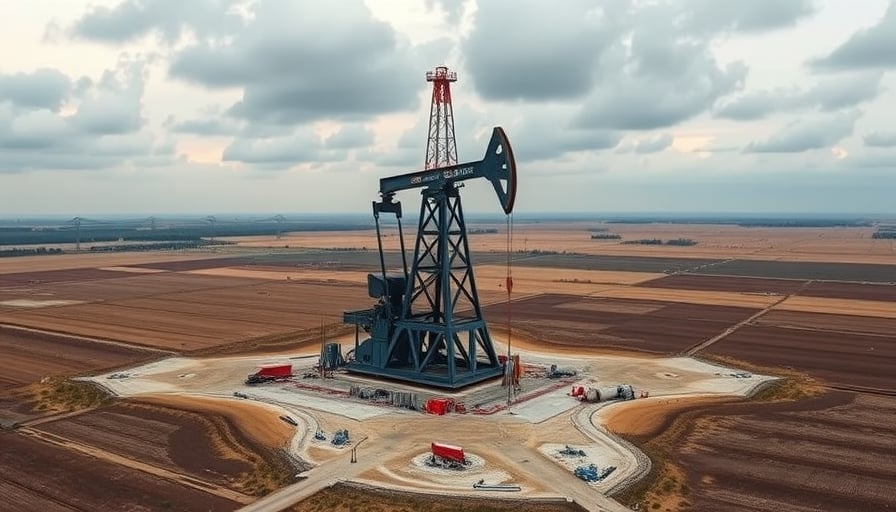
Devon’s core strategy remains deeply rooted in the United States, leveraging the shale revolution that has transformed the country’s energy profile. According to a German‑based news outlet (www.ad‑hoc‑news.de), the company’s “oil rig” operates primarily within U.S. basins, with particular emphasis on the Permian and Eagle Ford formations. The article underscores that while the U.S. focus offers significant upside in terms of higher oil and gas prices, it also exposes Devon to geopolitical and regulatory risks inherent in American shale development.
Key takeaways:
- High‑grade reserves: Devon’s portfolio is rich in technically recoverable resources, enabling the company to maintain a robust production profile.
- Cost discipline: By concentrating on high‑margin plays, Devon keeps operating expenses under control, a factor reflected in its Price‑to‑Earnings ratio of 11.85—comfortably below many peers in the sector.
- Volatility hedge: The company’s exposure to U.S. markets makes it sensitive to domestic policy shifts, but this can also serve as a hedge against global oil supply disruptions.
2. Institutional Buying Signals
Two of the week’s most significant trades involved large institutional investors:
| Investor | Shares Purchased | Date | Source |
|---|---|---|---|
| ROGCO, LP | 500 shares | 2026‑04‑04 | feeds.feedburner.com |
| Comerica Bank | 22,972 shares | 2026‑04‑03 | feeds.feedburner.com |
Interpretation:
- ROGCO’s modest purchase suggests a cautious endorsement, perhaps aimed at increasing exposure while keeping risk in check.
- Comerica Bank’s sizeable allocation indicates a more bullish stance. Banks often invest in energy stocks to hedge commodity exposure or to balance portfolio diversification, implying a belief in Devon’s capacity to sustain earnings growth.
Both transactions align with Devon’s market cap of approximately USD 30.8 billion and the fact that its stock price—closing at USD 49.49 on 2026‑04‑01—has approached its 52‑week high of USD 52.71. The buying activity may provide a short‑term boost to liquidity and support the share price.
3. Recent Selling Activity
Not all institutional actors are buying. Aprio Wealth Management, LLC divested 471 shares of Devon on 2026‑04‑03 (feeds.feedburner.com). While the sale was relatively small compared to Comerica Bank’s purchase, it reflects the dynamic nature of investor sentiment in the energy sector. Selling pressure could stem from concerns about potential regulatory changes affecting U.S. shale or from a rebalancing of investment mandates.
4. Fundamental Context
To fully appreciate the news, it helps to look at Devon’s core metrics:
- Sector and Industry: Energy – Oil, Gas & Consumable Fuels.
- Exchange: New York Stock Exchange.
- Currency: USD.
- Price Performance: The stock’s recent decline from its 52‑week high to a low of USD 25.89 on 2025‑04‑08 has been partially reversed, with the current price near USD 49.49.
- Market Cap: USD 30.8 billion.
- P/E Ratio: 11.85, suggesting the market values Devon’s earnings at a moderate multiple.
These figures paint a picture of a company that has maintained steady growth while staying within an attractive valuation range compared to its peers.
5. Outlook
- Operational focus: Devon’s continued investment in high‑margin U.S. shale assets positions it to benefit from rising commodity prices.
- Financial health: A solid P/E ratio and manageable debt profile bolster investor confidence.
- Market sentiment: Recent buying by institutions such as Comerica Bank and modest selling by Aprio Wealth Management indicate that the market is attentive but not yet saturated with enthusiasm.
In the coming months, the company’s performance will hinge on its ability to navigate regulatory developments in the United States, maintain operational efficiency, and capitalize on any upward swings in oil and gas prices. For investors, the current mix of buying and selling activity suggests a cautiously optimistic environment—one that rewards those willing to monitor the evolving shale landscape closely.