
DHT Holdings Inc. Accelerates Fleet Expansion Amid Geopolitical Turbulence
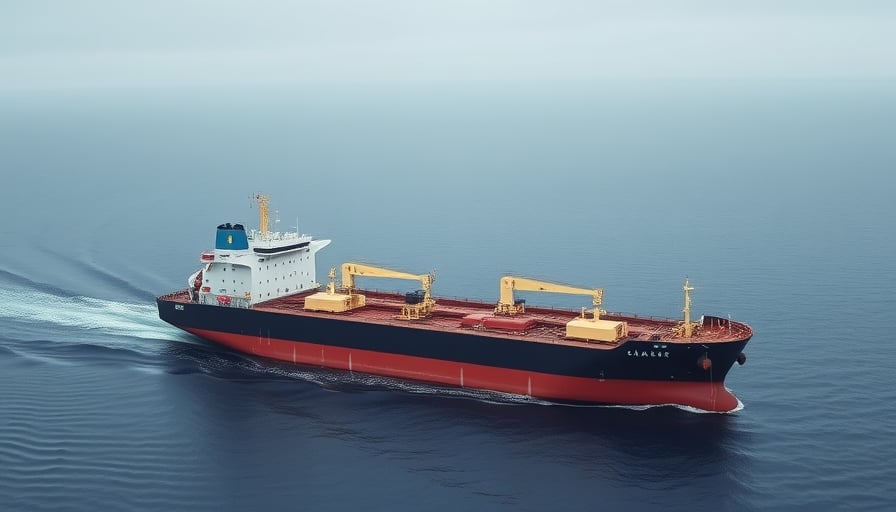
The energy transport sector is bracing for a new wave of volatility, yet DHT Holdings Inc. is riding the crest of that wave with a bold expansion of its VLCC fleet. On January 5, 2026, the company announced the delivery of the first of four South‑Korean‑made very large crude carriers (VLCCs) to its growing fleet—a move that will significantly raise its earnings potential and diversify its customer base.
A Strategic Fleet Injection
The newly delivered vessel, named DHT Antelope, represents the first of four VLCC newbuildings scheduled for delivery in the first half of 2026. The ships are fully financed and are poised to bolster the company’s service offerings in the VLCC segment, traditionally the backbone of long‑haul crude transport. Hanwha Ocean Co., Ltd., the Korean shipbuilder, has already committed to a second delivery in early March, cementing the firm’s position as a key partner in DHT’s expansion strategy.
Market Context: Geopolitical Constraints Tighten Supply
While DHT pushes forward, the broader seaborne trade landscape is tightening. Venezuelan crude output fell sharply in December, with exports slipping from 27.2 million barrels to 17.6 million barrels as U.S. enforcement intensified. President Trump’s directive to block sanctioned Venezuelan tankers and subsequent seizures of vessels have curtailed access to Venezuelan waters, forcing cargoes to reroute and increasing friction for all operators. These constraints underscore the importance of fleet flexibility—a niche DHT is capitalizing on.
Financial Positioning and Outlook
With a market cap of $1.887 billion and a price‑earnings ratio of 9.82, DHT’s valuation remains attractive amid a volatile market. The company’s current share price of $11.74 sits well below the 52‑week high of $13.85, offering a margin of safety for investors who recognize the company’s strategic growth trajectory. The infusion of new VLCCs will enhance DHT’s capacity to meet shifting demand patterns, particularly as traditional supply routes become congested or politically restricted.
Conclusion
DHT Holdings Inc. demonstrates a decisive stance in the face of geopolitical headwinds. By securing additional VLCCs from a reputable Korean builder, the company is not merely expanding its fleet; it is strategically positioning itself to navigate and profit from a seaborne trade environment where demand, politics, and enforcement intersect. Investors and industry observers alike should regard this development as a clear signal of DHT’s commitment to maintaining, if not amplifying, its earnings power in a challenging era for oil transportation.