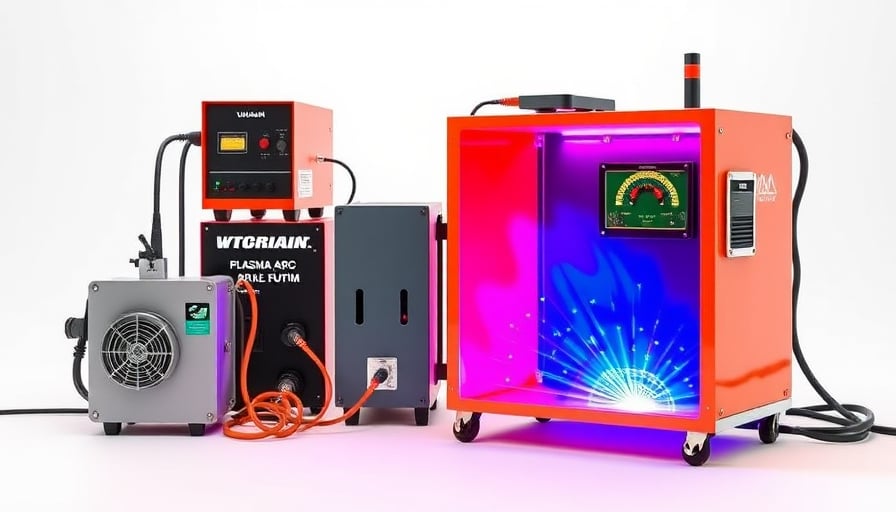
In the ever-evolving landscape of industrial innovation, Europlasma S.A. stands as a testament to the relentless pursuit of sustainable solutions. As a company deeply entrenched in the industrials sector, Europlasma has carved a niche for itself through its specialization in plasma solutions, renewable energies, and asbestos waste treatment. However, beneath the veneer of environmental stewardship and technological advancement lies a narrative of financial volatility and market skepticism that demands scrutiny.
Founded in 1992 and headquartered in Pessac, France, Europlasma has long been a pioneer in the realm of plasma technology. The company’s core operations revolve around the provision of plasma solutions for gas and hazardous waste treatment, the production of electricity through waste and biomass gasification, and the destruction and valorization of asbestos waste. These activities not only underscore Europlasma’s commitment to environmental sustainability but also highlight its strategic positioning within the commercial services and supplies industry.
Despite its innovative endeavors, Europlasma’s financial performance paints a picture of stark contrast. As of March 15, 2026, the company’s close price stood at a mere 0.0208 EUR, a figure that starkly contrasts with its 52-week high of 56 EUR recorded on April 27, 2025. This precipitous decline in share value is emblematic of the challenges that Europlasma faces in translating its technological prowess into financial stability. With a market capitalization of 106,818 EUR, the company’s valuation raises questions about investor confidence and the viability of its business model in the long term.
The volatility in Europlasma’s stock price is not merely a reflection of market dynamics but also a harbinger of deeper systemic issues within the company. The dramatic fluctuation from its 52-week high to its current low suggests a disconnect between the company’s operational achievements and its financial health. This discrepancy raises critical questions about the company’s strategic direction, its ability to manage operational risks, and its capacity to adapt to the rapidly changing landscape of the renewable energy sector.
Moreover, Europlasma’s listing on the NYSE Euronext Paris stock exchange places it under the scrutiny of a global investor base, further amplifying the pressure to deliver consistent financial performance. The company’s currency, the EUR, adds another layer of complexity, subjecting it to the vagaries of currency fluctuations and the broader economic conditions within the Eurozone.
In conclusion, while Europlasma S.A. continues to champion the cause of environmental sustainability through its innovative plasma solutions and renewable energy initiatives, its financial trajectory underscores the challenges inherent in marrying technological innovation with economic viability. As the company navigates the tumultuous waters of the industrial sector, it must address the underlying issues that have led to its current financial predicament. Only then can Europlasma hope to restore investor confidence and secure its position as a leader in the field of sustainable industrial solutions.