
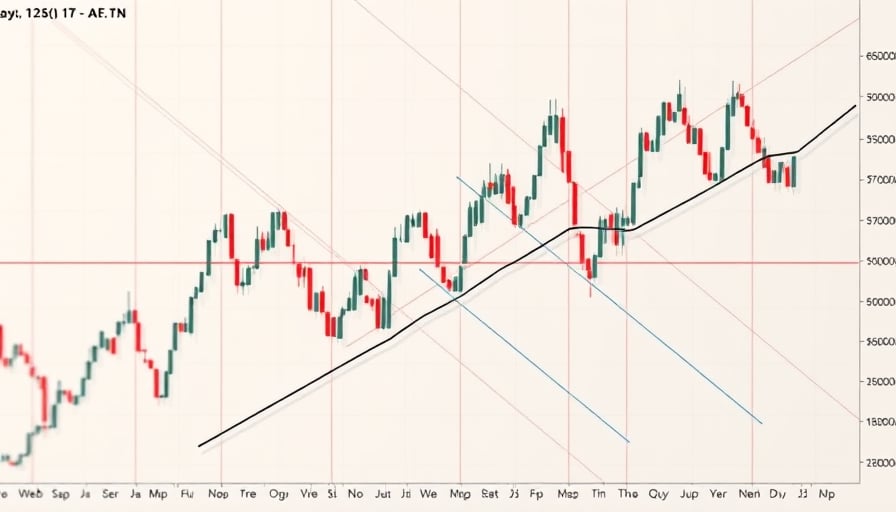
In the volatile world of cryptocurrency, the recent performance of FEAR has sparked intense scrutiny and concern among investors and analysts alike. As of December 9, 2025, FEAR’s close price stood at a mere $0.00247144, a stark contrast to its 52-week high of $0.139862 recorded on December 14, 2024. This dramatic decline underscores a broader narrative of instability and unpredictability that has come to define the cryptocurrency market in recent years.
The precipitous drop in FEAR’s value is emblematic of a larger trend within the crypto space, where assets are increasingly subject to extreme volatility. The 52-week low of $0.00228361, reached on December 1, 2025, highlights the precarious nature of investing in digital currencies. With a market capitalization of just $34,214.88 USD, FEAR’s financial footprint is minuscule, raising questions about its sustainability and long-term viability in a market dominated by giants like Bitcoin and Ethereum.
This volatility is not merely a reflection of market dynamics but also a symptom of deeper systemic issues within the cryptocurrency ecosystem. The lack of regulatory oversight, coupled with the speculative nature of crypto investments, has created an environment ripe for panic and fear. Investors, driven by the allure of quick profits, often overlook the inherent risks, leading to dramatic fluctuations in asset values.
The case of FEAR serves as a cautionary tale for those enticed by the promise of high returns in the crypto market. Its dramatic decline from a 52-week high to a low that barely surpasses its current value is a stark reminder of the risks involved. The cryptocurrency market, for all its potential, remains a high-stakes gamble, where fortunes can be made or lost in the blink of an eye.
Moreover, the minimal market cap of FEAR raises significant concerns about liquidity and market manipulation. In such a small market, even minor trades can lead to substantial price movements, making it difficult for investors to exit positions without incurring significant losses. This lack of liquidity not only exacerbates volatility but also deters serious investors, further diminishing the asset’s credibility and stability.
In conclusion, the saga of FEAR is a microcosm of the broader challenges facing the cryptocurrency market. As investors navigate this tumultuous landscape, the lessons from FEAR’s dramatic decline should not be overlooked. The allure of quick profits must be weighed against the potential for catastrophic losses, and the importance of due diligence and risk management cannot be overstated. In the end, the cryptocurrency market remains a domain where fear and greed collide, with FEAR serving as a stark reminder of the perils that lie in wait.