
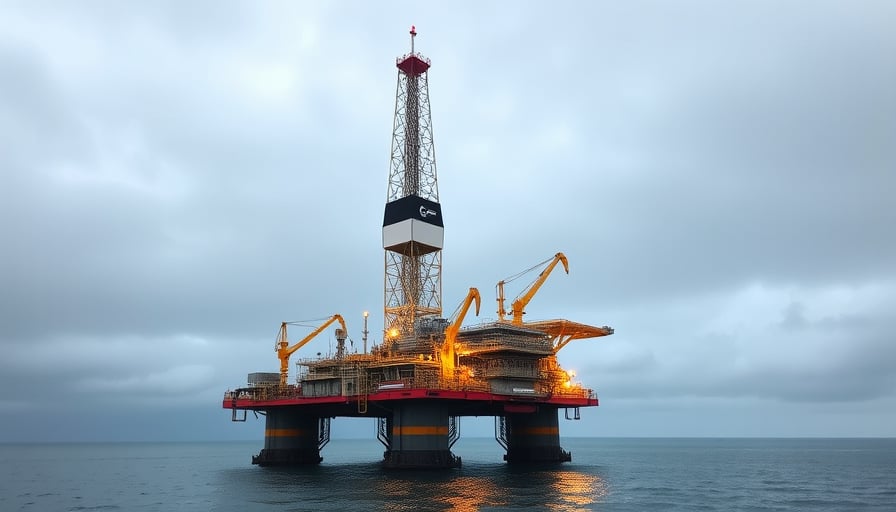
Gazprom PJSC, a behemoth in the energy sector, continues to dominate the landscape of oil, gas, and consumable fuels. As a pivotal player in the Russian Federation and across European countries, Gazprom’s operations span an extensive range of activities, including gas pipeline systems, gas production and exploration, high-pressure gas transportation, oil production, oil refining, gas storage, and the generation of electric and heat energy. Despite its vast influence and diversified portfolio, Gazprom faces significant scrutiny and challenges, particularly in the context of its financial performance and market dynamics.
As of February 12, 2026, Gazprom’s close price stood at 127.59 RUB, a figure that reflects the company’s volatile journey over the past year. The 52-week high of 177.16 RUB, recorded on February 23, 2025, starkly contrasts with the 52-week low of 111.81 RUB, observed on October 8, 2025. This volatility underscores the precarious nature of Gazprom’s market position, influenced by geopolitical tensions, fluctuating energy demands, and regulatory pressures.
With a market capitalization of 2.98 trillion RUB, Gazprom’s financial stature is formidable. However, the company’s price-to-earnings ratio of 2.32 raises questions about its valuation and future growth prospects. This ratio, significantly lower than industry averages, suggests that investors may harbor reservations about Gazprom’s profitability and its ability to navigate the complex energy landscape.
Gazprom’s primary exchange, the Moscow Stock Exchange, serves as a barometer for the company’s financial health and investor confidence. The fluctuations in Gazprom’s stock price reflect broader economic trends and investor sentiment towards Russian energy companies amidst ongoing geopolitical challenges.
The company’s extensive involvement in oil production and refining, alongside its core gas operations, positions Gazprom as a critical player in the global energy market. However, this diversification also exposes the company to the volatile nature of oil prices and the shifting dynamics of global energy consumption, particularly as the world grapples with the transition to renewable energy sources.
Gazprom’s role in gas storage and the generation of electric and heat energy further illustrates its integral position in the energy supply chain. Yet, these operations are not without their challenges, as the company must navigate regulatory hurdles, environmental concerns, and the increasing competitiveness of alternative energy sources.
In conclusion, Gazprom PJSC stands at a crossroads, with its vast operations and significant market presence juxtaposed against a backdrop of financial volatility, geopolitical tensions, and the global shift towards sustainable energy. The company’s ability to adapt to these challenges, optimize its operations, and navigate the complex regulatory and market landscapes will be critical in determining its future trajectory in the energy sector. As Gazprom continues to play a pivotal role in the global energy market, its actions and strategies will undoubtedly have far-reaching implications for energy consumers, investors, and policymakers alike.