In the ever-evolving landscape of the global energy sector, Gazprom PJSC stands as a colossus, wielding significant influence over the dynamics of gas supply and energy security, particularly within the Russian Federation and across European nations. As of October 19, 2026, Gazprom’s stock closed at 112.41 RUB, a figure that, while substantial, pales in comparison to its 52-week high of 139.9 RUB recorded on March 8, 2026. This fluctuation underscores the volatile nature of the energy market, a sector where Gazprom has not only survived but thrived, despite the myriad challenges it faces.
With a market capitalization of 2.71 trillion RUB, Gazprom’s financial heft is undeniable. However, a closer examination of its price-to-earnings ratio, standing at 2.42, reveals a narrative of cautious optimism. This metric, often a barometer of investor sentiment, suggests that while Gazprom is perceived as a stable entity, there are underlying concerns about its future profitability and growth prospects. Such concerns are not unfounded, given the geopolitical tensions and the global push towards renewable energy sources, which threaten to disrupt traditional energy markets.
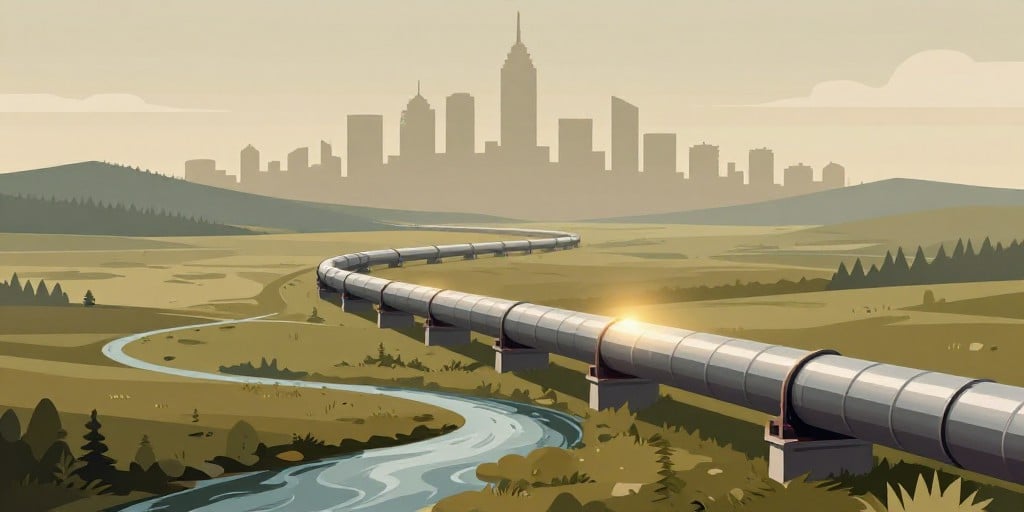
Gazprom’s core operations span the production, exploration, and transportation of gas, alongside oil production, refining, and the generation of electric and heat energy. This diversification strategy, while bolstering its resilience against market fluctuations, also exposes the company to a complex web of regulatory, environmental, and competitive challenges. The company’s dominance in gas pipeline systems and its pivotal role in supplying gas to European countries place it at the heart of geopolitical power plays, making it a focal point in discussions about energy security and independence.
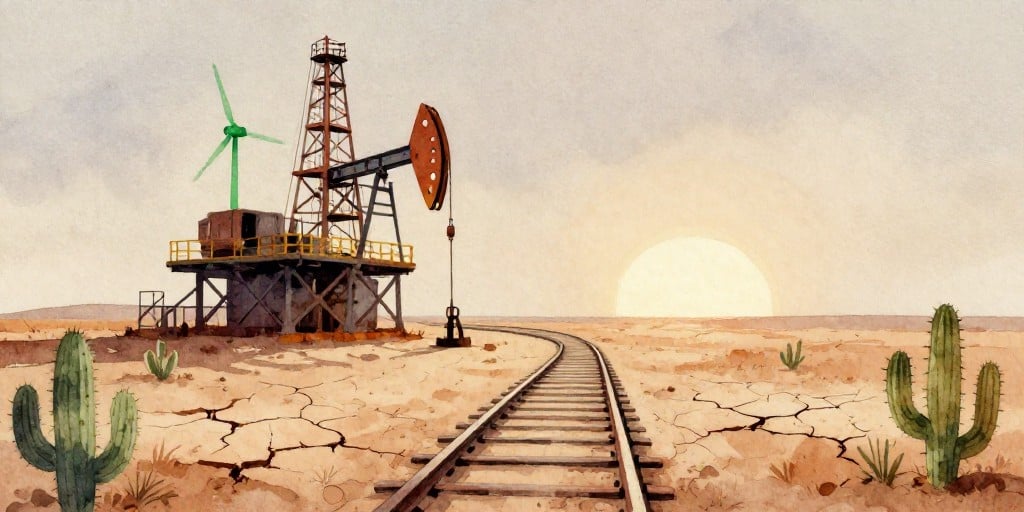
The recent performance of Gazprom’s stock, coupled with its strategic positioning within the energy sector, raises critical questions about the future of energy in a world increasingly conscious of climate change and sustainability. Gazprom’s reliance on fossil fuels, particularly in an era where renewable energy sources are gaining traction, presents a paradox. On one hand, the company’s vast resources and infrastructure are indispensable for meeting current global energy demands. On the other, its business model is at odds with the global shift towards cleaner, more sustainable energy solutions.
Moreover, Gazprom’s financial metrics, including its market capitalization and price-to-earnings ratio, reflect not just the company’s current standing but also hint at the broader challenges facing the energy sector. The volatility in Gazprom’s stock price, marked by a significant drop to a 52-week low of 78.1 RUB on July 16, 2026, underscores the precarious balance between maintaining profitability and navigating the shifting sands of global energy policies and consumer preferences.
In conclusion, Gazprom PJSC’s role in the global energy landscape is both pivotal and paradoxical. As a behemoth in the oil, gas, and consumable fuels industry, it embodies the challenges and contradictions of an era grappling with the transition to sustainable energy. The company’s financial health, market performance, and strategic decisions in the coming years will not only determine its fate but also shape the future of global energy dynamics. As such, Gazprom stands at a crossroads, with its actions and strategies under intense scrutiny from investors, policymakers, and environmental advocates alike. The path it chooses will have far-reaching implications, not just for its own future, but for the global quest for energy security and sustainability.