General Dynamics Corp: Recent Developments and Market Context
General Dynamics Corp. (NYSE: GD), a leading defense contractor headquartered in Reston, United States, reported a series of noteworthy events in late March 2026 that are poised to influence its strategic trajectory and market valuation. With a market capitalization of $93.78 billion and a close price of $346.23 on March 23, the company trades at a price‑to‑earnings ratio of 22.63—a figure that reflects investor expectations of sustained growth amid a volatile geopolitical climate.
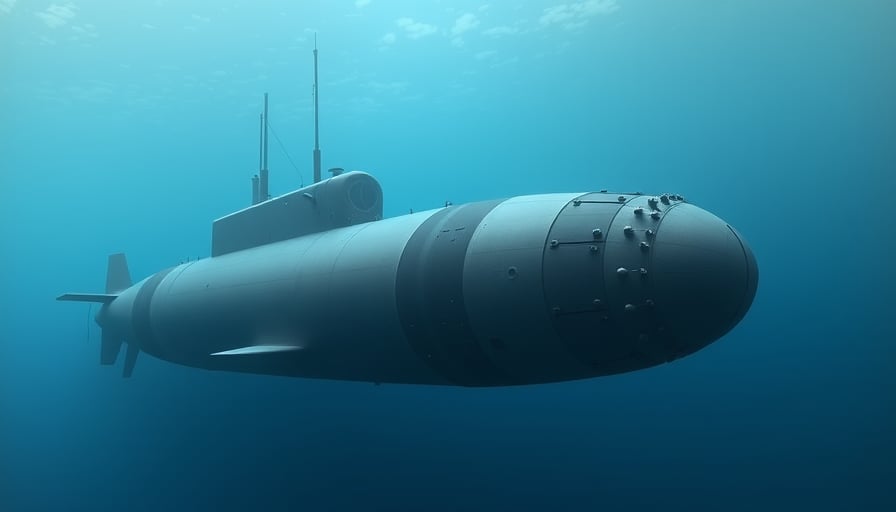
1. $15 billion Contract for Columbia‑Class Submarine Support
On March 22, the U.S. Navy awarded General Dynamics’ Electric Boat Corp. a $15.38 billion modification to the Columbia‑class nuclear‑ballistic‑missile‑submarine (SSBN) program. The contract specifically covers industrial base development support, underscoring the Navy’s commitment to maintaining and modernizing the submarine fleet. For a company already recognized for its shipbuilding capabilities—most notably through the Bath Iron Works division—the award represents a significant infusion of revenue and reaffirms GD’s central role in the U.S. defense industrial base.
The modification follows a broader trend of renewed defense spending and aligns with the Navy’s strategic emphasis on maintaining deterrence capabilities in the face of emerging global threats.
2. Autonomous Counter‑UAS Technology: Leonidas AGV
In a joint announcement with Epirus and Kodiak AI (KDK), General Dynamics Land Systems unveiled the Leonidas Autonomous Ground Vehicle (AGV) on March 24. The AGV integrates Epirus’ high‑power microwave (HPM) platform with Kodiak Driver’s autonomy suite and GDLS’s system‑integration expertise. Designed for rapid deployment, the AGV can intercept individual drones or swarm attacks in either autonomous or tele‑operated modes.
This development positions General Dynamics at the forefront of counter‑unmanned‑air‑system (UAS) technology—a field that has gained urgency amid escalating drone‑based threats. The full‑scale prototype will be showcased at the upcoming AUSA Global Force Symposium & Exhibition, potentially opening new revenue streams in the rapidly expanding counter‑UAS market.
3. Labor Dispute at Bath Iron Works
On March 23, a strike commenced at General Dynamics Bath Iron Works (BDI), one of the Navy’s largest shipbuilding contractors in Maine. Hundreds of designers, clerks, and technicians—represented by the Bath Marine Draftsmen’s Association—walked off the job after rejecting a wage proposal. The union, which represents 627 workers, cited inadequate compensation and benefits as the primary grievance.
The strike coincides with heightened defense production demands and could disrupt timelines for existing contracts, including the Columbia‑class program. While the company has indicated willingness to negotiate, the labor action underscores the challenges of sustaining a skilled workforce amid rising operational costs and growing geopolitical tensions.
4. Market Implications
The combination of a substantial Navy contract and a cutting‑edge autonomous system launch supports a bullish outlook for General Dynamics. However, the labor dispute at BDI introduces operational risk that may weigh on short‑term earnings and investor confidence. Current market sentiment appears to balance optimism over new revenue streams against caution regarding potential production delays.
From a valuation standpoint, the company’s 52‑week high of $369.70 (as of January 15) and low of $239.20 (as of April 6, 2025) provide a reference for assessing whether the recent news could justify a movement toward the upper range of its historical trading band.
5. Strategic Outlook
General Dynamics’ diversified portfolio—encompassing business aviation, combat vehicles, shipbuilding, and information systems—positions it well to capitalize on multiple growth vectors. The Columbia‑class submarine award strengthens its core shipbuilding division, while the Leonidas AGV taps into the burgeoning counter‑UAS market. Sustaining these gains will hinge on resolving labor disputes, maintaining cost controls, and continuing to innovate in areas where U.S. defense priorities are shifting toward autonomous and cyber‑enabled platforms.
In sum, late‑March 2026 presents a complex but largely positive scenario for General Dynamics: significant new contracts, technological leadership in counter‑UAS, and the need to navigate labor challenges that could impact execution timelines. The company’s performance in the coming quarters will likely be a barometer for how effectively it balances these competing forces.