Mazda Motor Corp. Readies for Q2 Earnings Disclosure
The Japanese automaker Mazda Motor Corp. (ticker: 7267.T) is slated to announce its second‑quarter earnings on November 9, 2026, at 05:30 GMT. This disclosure follows a series of global economic indicators and sector‑specific developments that are expected to shape investor sentiment for the upcoming fiscal period.
Market Context and Key Metrics
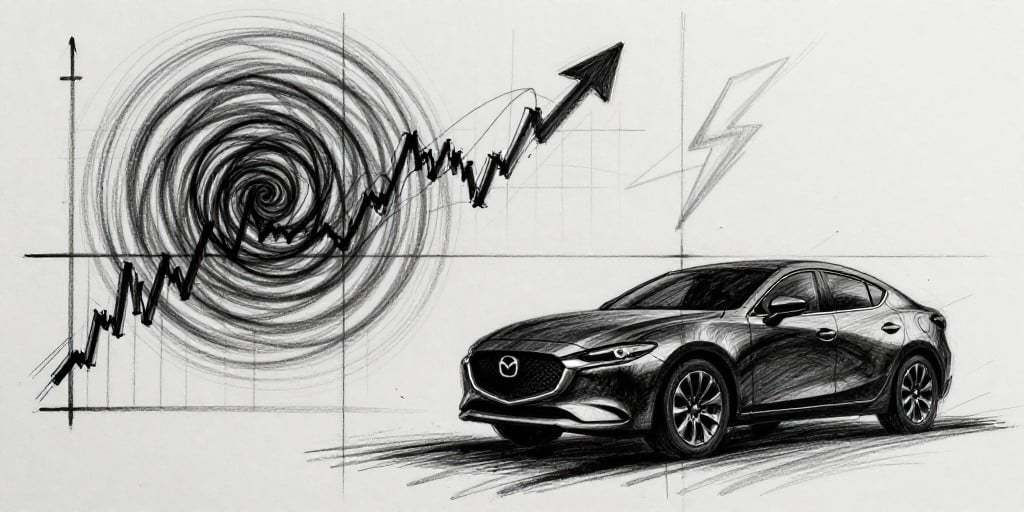
- Stock Performance: As of 5 November 2026, Mazda’s closing price stood at ¥1,131.5, comfortably positioned below its 52‑week high of ¥1,395 (17 February 2026) but above its 52‑week low of ¥978.5 (11 May 2026).
- Valuation: The company trades at a price‑earnings ratio of 6.64, indicating a valuation that is modest relative to many peers in the consumer‑discretionary automobile sector.
- Scale: With a market capitalization of approximately ¥714 billion, Mazda commands a substantial footprint in the global automotive landscape, leveraging its reputation for engineering quality and design innovation.
Anticipated Highlights from Q2 Results
While the full earnings report will be released during the scheduled press conference, analysts and institutional investors can focus on several key areas:
- Revenue Trends
- Mazda’s revenue trajectory is expected to mirror the broader industry rebound, particularly in the Japanese domestic market where consumer confidence is gradually recovering from recent supply‑chain disruptions.
- Export volumes to key markets such as the United States and China will be scrutinized, especially given the slight uptick in global trade volumes projected for the third quarter of 2026.
- Profitability and Margin Management
- With a P/E of 6.64, profitability metrics such as operating margin and EBITDA will be pivotal in assessing whether Mazda can maintain cost discipline while investing in electrification and autonomous driving initiatives.
- The company’s ability to sustain margin expansion amid fluctuating raw‑material costs, particularly steel and aluminum, will be under close observation.
- Capital Allocation and Shareholder Returns
- Investors will monitor any updates on dividend policy or share buyback plans. Mazda’s historical dividend yields have been moderate, yet the company’s cash‑flow position will dictate future payouts.
- A clear capital allocation strategy that balances reinvestment in research and development with shareholder returns will enhance long‑term value creation.
- Strategic Initiatives
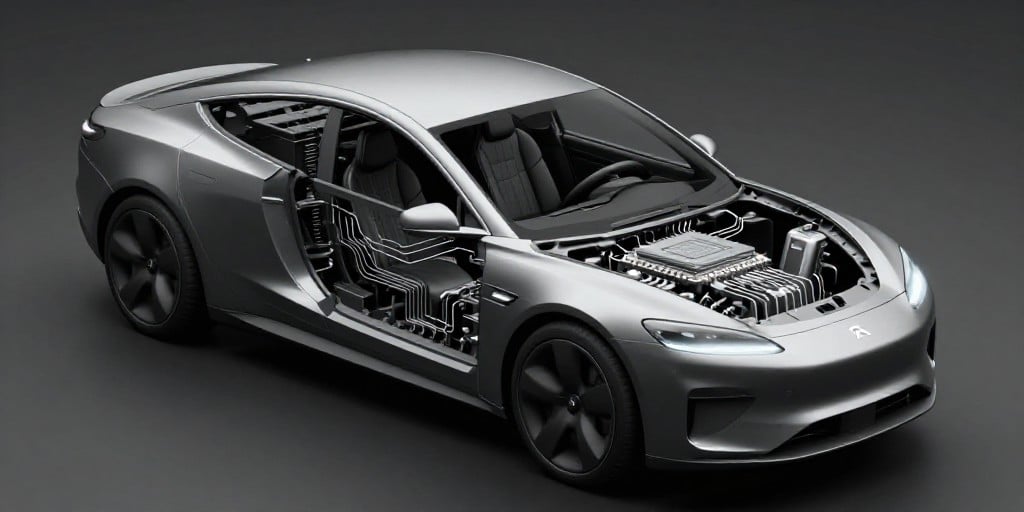
- Mazda has positioned itself as a pioneer of “Kodo” design and efficient powertrains. The earnings call will likely elaborate on progress in hybrid and plug‑in hybrid platforms, as well as any collaborative ventures with technology firms to accelerate electrification.
- Any announcements regarding new vehicle launches, especially in the premium compact segment, could influence market perception and pricing power.
Broader Economic Environment
- Global Trade Dynamics: The latest German trade balance data (September 2026) projects a modest rise in exports (+0.5 % versus the previous month) but a slight decline in imports (+1.2 %). These figures hint at a resilient export sector, which could bode well for Mazda’s international sales momentum.
- Inflation and Policy: European consumer and producer price indices from October 2026, alongside U.S. Federal Reserve comments, suggest a cautious stance toward monetary tightening. Lower interest rates may support consumer financing for vehicle purchases, indirectly benefiting Mazda’s sales pipeline.
Investor Outlook
The scheduled Q2 earnings release presents a crucial inflection point for Mazda Motor Corp. As the automotive industry navigates a transition toward electrification and shifting consumer preferences, Mazda’s performance metrics will offer insight into its strategic positioning and operational resilience. Investors should prepare to evaluate:
- Revenue growth relative to the 52‑week high and low, indicating market traction.
- Margin sustainability against a backdrop of volatile input costs.
- Strategic clarity in product development and market expansion, especially within the high‑margin luxury and performance segments that Mazda traditionally targets.
A disciplined assessment of the forthcoming earnings, grounded in the company’s established fundamentals and the prevailing macroeconomic signals, will enable stakeholders to gauge Mazda’s trajectory as it strides toward a more electrified and technologically integrated future.