
Harworth Group PLC: A Deal‑Storming Asset on the Verge of Transformation
Harworth Group PLC—once a quietly profitable brown‑field regenerator—has been thrust into the spotlight after a series of unsolicited takeover bids and data‑centre land deals. The company, which manages roughly 22,000 acres across 150 Midlands and North England sites, is now the focal point of a £582‑million valuation war, with Peel Group’s cash offer and Manchester billionaire‑backed propositions creating a volatile trading environment.
Peel’s £582 m Offer: A Catalyst for Market Disruption
Peel Group, a diversified industrial conglomerate, entered the fray with a £583 million cash bid—valued at a 47.3× price‑to‑earnings ratio that dwarfs the industry average for real‑estate developers. The proposal was disclosed by Sharecast and The Construction Index on the morning of 6 August, immediately propelling Harworth shares from 143.6 p to a peak above 200 p before the market closed. The surge illustrates investors’ belief that Harworth’s land assets, especially those earmarked for future data‑centre development, carry a premium that Peel can unlock through its broader industrial portfolio.
While the bid is unsolicited, it follows a series of “talks with multiple parties” about selling land for data‑centre projects, as reported by Data Center Dynamics and LSE.co.uk on 5 August. The strategic value of Harworth’s holdings—particularly the “hyperscale” site in the Midlands—has made it an attractive target for tech‑focused investors looking to secure long‑term, high‑yield assets.
The Share Price Response: Volatility Meets Confidence
Harworth’s share price movement over the past two days underscores the market’s ambivalence. From a 52‑week low of 119 p in late June to an 8‑hour high of 191 p earlier this year, the company has demonstrated a capacity for significant upside. The latest bid has temporarily eclipsed the 52‑week high, suggesting that the market is pricing in a premium for the acquisition potential and the strategic synergy with Peel’s existing operations.
The FTSE 250, which includes Harworth, rallied 10% year‑to‑date, hitting an all‑time high of 24,632 on the day of the bid. The index’s performance, buoyed by strong earnings from peers such as Persimmon and Harbour Energy, provided a backdrop against which Harworth’s valuation surge seemed both plausible and risky.
Strategic Implications: Data‑Centre Development and Brown‑Field Regeneration
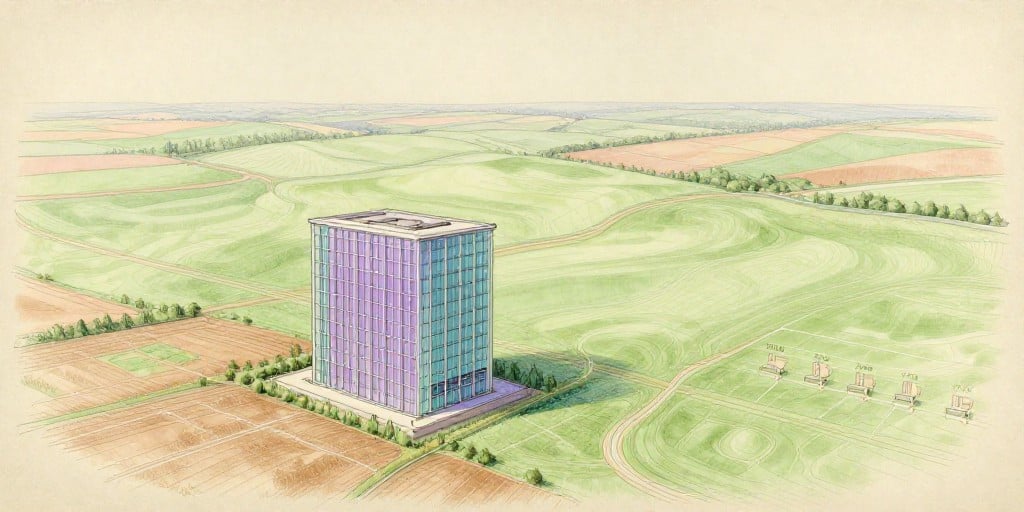
Harworth’s core competency lies in brown‑field regeneration—transforming former coal‑mining sites into employment hubs and residential areas. This niche expertise, combined with a portfolio that includes potential “hyperscale” data‑centre sites, positions the company at a confluence of two high‑growth sectors: real‑estate redevelopment and digital infrastructure.
Should Peel’s bid succeed, the integration could accelerate Harworth’s data‑centre pipeline, leveraging Peel’s existing industrial network to secure tenants and optimize land use. Conversely, a rejection would signal that investors still doubt the strategic fit, potentially leading Harworth to pursue alternative buyers or even an IPO to unlock value independently.
The Take‑Away
Harworth Group PLC’s recent bid landscape is a microcosm of the broader market’s appetite for high‑growth, high‑valuation assets. Peel’s offer, while steep, taps into a clear strategic narrative: converting brown‑field sites into data‑centric assets for a post‑digital economy. The market’s reaction—sharp price increases, heightened volatility, and a rally in related indices—reflects both the allure and the risk of such a transformation. Stakeholders must now decide whether Harworth’s legacy of regeneration can be seamlessly merged with Peel’s industrial ambitions or whether the company will carve its own path amid a rapidly evolving real‑estate and technology landscape.