Helvetia Baloise Holding AG: Burglaries Surge, Threatening Swiss Insurance Stability
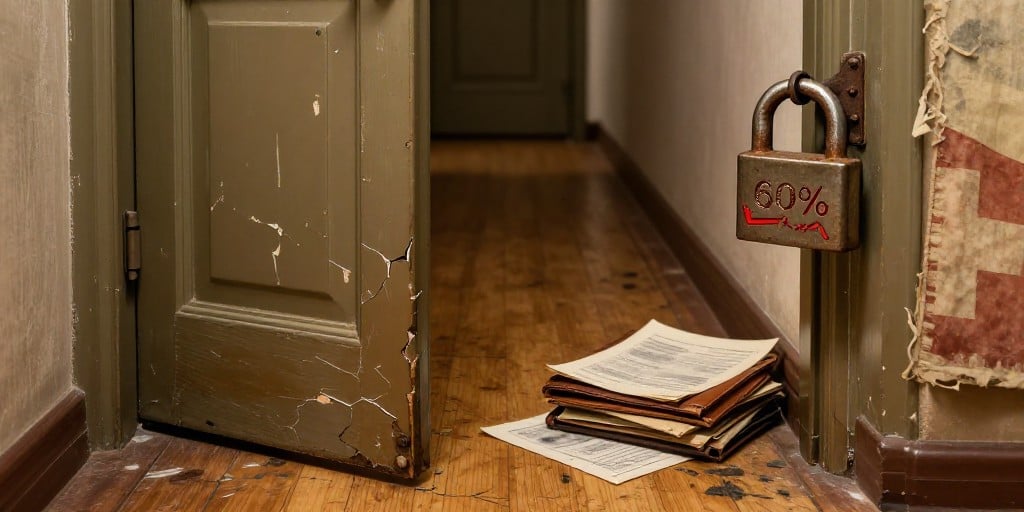
Helvetia Baloise Holding AG’s latest study, released on 24 November 2026, exposes a sharp rise in burglary‑related claims that could erode the firm’s profit margins and shake investor confidence. According to the company’s own claims data, the number of reported burglary thefts per 10 000 policies climbed from 27 to 42 over the past five years – an escalation of roughly 60 %. The average claim cost has also risen, from CHF 6 500 to over CHF 7 100 in 2025, a 9 % increase that reflects either more severe incidents or higher inflation in repair and replacement costs.
Dark Season, Darker Losses
The analysis singles out the months of November and December as the most perilous period, with every fourth burglary occurring during this interval. The phenomenon is attributed to the earlier onset of darkness following the autumnal clock change, which ostensibly provides more cover for offenders. Regional hotspots have been identified, underscoring that the threat is not uniformly distributed but concentrated in specific urban centers where security measures may be lax.
Implications for the Bottom Line
Helvetia’s market capitalization stands at CHF 21.64 bn, with a share price that recently peaked at CHF 231 before settling at CHF 219.6. The Price‑to‑Earnings ratio of 55.66 signals that investors are currently valuing the company at a premium, likely premised on steady earnings growth and robust risk management. Yet, if burglary claims continue to rise at the current rate, the company’s underwriting performance could suffer. Higher claim payouts reduce net premiums, compressing the operating margin and potentially triggering a downward revision in future earnings estimates.
Moreover, the rising claim frequency may prompt the Swiss regulator and Swiss Reinsurance market to impose stricter solvency requirements or demand higher capital buffers for insurers exposed to burglary risk. Helvetia’s exposure to this risk is amplified by its diversified product portfolio, which includes property, vehicle, and transport insurance – all susceptible to theft.
A Call for Preventive Action
Helvetia’s report highlights the “importance of simple preventive measures.” While the company offers policyholders a range of security incentives, the data suggest that these measures have not yet mitigated the surge. In a sector where loss ratios are already under pressure from rising healthcare costs and natural catastrophes, the additional strain from burglaries could be a tipping point.
Market Reaction
Investors will likely scrutinize Helvetia’s forthcoming earnings release for any indications of a shift in underwriting strategy or claim handling policy. A failure to curb the burglary trend could lead to a downgrade of the company’s credit rating or a drop in share price, as market participants adjust their expectations of profitability.
In summary, Helvetia Baloise Holding AG faces an escalating burglary threat that threatens to erode its financial performance, disrupt investor sentiment, and necessitate a strategic reassessment of risk mitigation practices. The company must act decisively to translate this insight into tangible cost‑control measures, lest the dark season of theft spill over into a broader erosion of financial stability.