BASF SE Advances U.S. Footprint with $1 billion MDI Plant While Navigating Strategic and Financial Headwinds
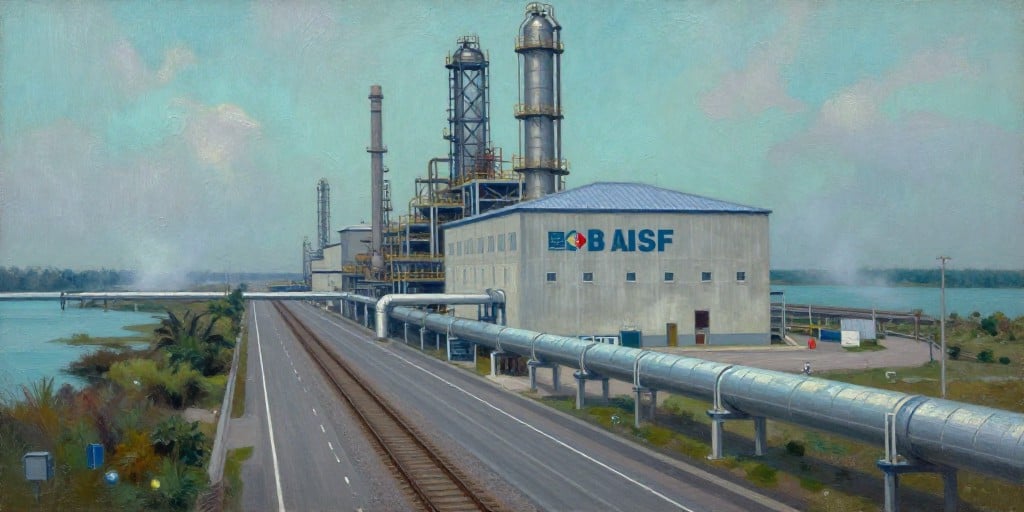
BASF SE (Xetra: BASF), the world’s largest chemical conglomerate, has inaugurated a new $1 billion monomethyl‑isocyanate (MDI) production facility at its Geismar Verbund site in Louisiana. The launch, reported by Prnewswire and corroborated by German outlets Handelsblatt and t‑online, marks the company’s most significant single investment in the United States to date. By positioning the MDI production closer to North American end‑users, BASF seeks to strengthen its market position, reduce logistics costs, and provide a more reliable supply of this critical feedstock for the polyurethane, coatings, and foams sectors.
Strategic Rationale
MDI is a cornerstone raw material for high‑volume polymers that underpin a broad range of consumer and industrial products. The new plant will enable BASF to respond rapidly to demand swings in the U.S., thereby reinforcing its role as the largest MDI producer in North America. The proximity to major chemical hubs in the Gulf Coast also aligns with BASF’s global strategy to localize production, reduce carbon footprints, and improve supply chain resilience.
Financial Outlook and Market Reaction
Despite the strategic upside of the Geismar investment, the company’s share price has faced renewed scrutiny. Jefferies, a leading investment bank, downgraded BASF’s stock from “Hold” to “Underperform” and reaffirmed a target price of €44. The downgrade reflects concerns over rising profit‑risk factors, notably the potential impact of the new facility on operating margins and the broader industry’s tightening pricing environment. Analysts note that the company’s price‑to‑earnings ratio of 22.85, relative to its €54.48 closing price, signals a modest valuation premium that could erode if earnings growth stalls.
Capital Markets Activity
BASF’s share buyback program, disclosed through EQS Capital Market Information on 9 November, indicates a continued commitment to returning value to shareholders. The buyback is part of a broader strategy to maintain liquidity and support the share price in the face of market volatility. Meanwhile, the company’s market capitalization of €46.87 billion positions it as a significant player in the chemicals sector, yet also exposes it to sector‑specific risks such as commodity price swings and regulatory changes.
Competitive Landscape
In parallel with its expansion, BASF faces strategic uncertainty over potential consolidation within the European chemical market. Evonik Industries has declined to engage in merger talks with BASF, as reported by Finanznachrichten and Cash-Online, effectively ruling out a near‑term merger that could have reshaped the industry. This development underscores the importance of BASF’s domestic U.S. expansion as a means to bolster its competitive edge without relying on inorganic growth.
Sustainability Initiatives
BASF is also progressing its environmental agenda, with a planned phase‑out of polyisobutene production in Europe in 2027 in favour of renewable‑energy‑based electricity. This shift aligns with the company’s broader climate commitments and enhances its appeal to investors increasingly focused on ESG performance.
Outlook
BASF’s strategic move into Louisiana represents a decisive step to consolidate its leadership in MDI supply, reduce logistics costs, and tap into the growing North American demand for advanced polymers. While Jefferies’ downgrade signals short‑term headwinds, the company’s robust capital‑market discipline and commitment to sustainability suggest that BASF is well positioned to navigate industry volatility. Investors should monitor the plant’s operational performance, margin impact, and the evolving competitive dynamics in both the U.S. and European markets to assess the long‑term trajectory of BASF’s share price.