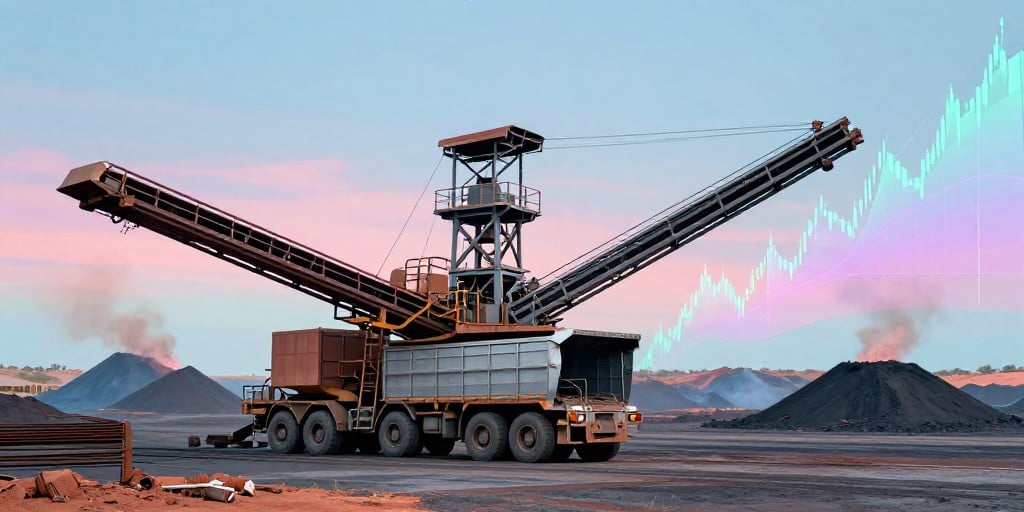
BHP Group Faces Workforce Reduction Amid Market Headwinds
BHP Group Ltd. announced that it will eliminate 300 positions from its iron‑ore operations in Western Australia. The cuts, which will affect the South Flank, Mining Area C and Newman sites, come as the company grapples with falling iron‑ore prices and rising shipping and fuel costs.
The decision follows a broader strategy to tighten operating costs across the group’s global portfolio. Iron ore, a key commodity for steelmaking, has seen a steep decline in prices, prompting many operators to reassess their cost structures. BHP’s move is part of a wider trend among miners, as the sector seeks to improve margins in a volatile market.
Impact on Operations
The workforce reductions will be carried out over a transition period that includes severance and outplacement support. While the company has not disclosed the specific impact on production levels, it has stated that output at the affected mines will continue to meet contractual obligations. The cuts are expected to reduce annual operating expenses by an estimated AUD 30 million, according to internal forecasts.
Labor Relations Context
The announcement comes amid a series of labor disputes across BHP’s mining operations. In the lead‑up to the cuts, supervisors at the Escondida copper mine in Chile entered into strike negotiations after a contract impasse. The union at the Chilean site ultimately rejected the final offer, setting a strike date for Wednesday. In a separate but related development, BHP’s copper operations in Chile are experiencing a strike threat that has pushed copper prices to a three‑week high, with traders citing the potential supply disruption as a catalyst.
Market Reaction
Following the news, BHP shares traded near AUD 61.28 on the ASX, slightly below the 52‑week high of AUD 68.77 but above the low of AUD 40.18 recorded in November 2025. The company’s price‑to‑earnings ratio stands at 21.99, reflecting market expectations of modest earnings growth amid the current commodity cycle.
Analysts note that while the job cuts may be viewed negatively by labor advocates, they could signal BHP’s willingness to adjust its cost base proactively. The company’s market capitalization of AUD 309.9 billion underscores its importance to the Australian capital market, and investors are monitoring how the operational adjustments will translate into long‑term profitability.
Broader Industry Implications
The workforce reductions at BHP’s iron‑ore mines highlight a broader industry shift towards efficiency and cost containment. With commodity prices fluctuating and transportation costs rising, major players are reevaluating their operational footprints. Investors will likely keep an eye on how these moves affect BHP’s earnings trajectory, especially as the company continues to navigate supply‑chain disruptions and labor disputes across its global operations.