Coupang’s Bold Leap into Autonomous Logistics: A Strategic Pivot or a Risk‑laden Gamble?
Coupang Inc. is once again forcing the industry to confront a pivotal question: can the company sustain its meteoric rise in a market that is already saturated with aggressive players? The answer, according to a recent announcement by the Korea Herald, lies in the company’s audacious venture into self‑driving freight trucks—an initiative that could either cement its dominance or expose its fragile logistics model.
The Autonomous Truck Test: A Calculated Gamble
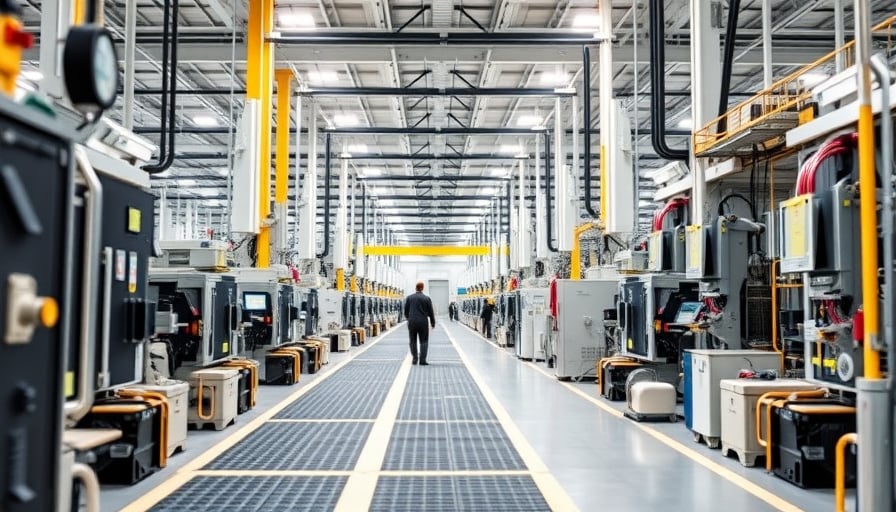
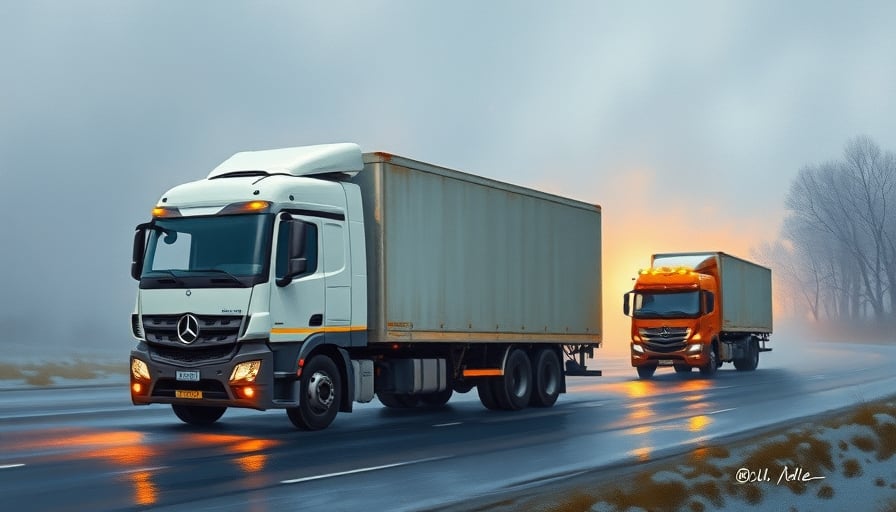
On 10 April 2026, Coupang confirmed that it has begun testing autonomous driving systems for trucks that shuttle between its extensive network of logistics centers. Working in partnership with domestic firms such as RideFlux, the company is exploring the integration of this technology to streamline “inter‑facility cargo transport and automated loading operations.” The move is not simply an experiment; contracts have already been signed, and the company has been negotiating deployment plans since late last year. If successful, autonomous middle‑mile trucking could slash labor costs and enable near‑continuous operations—an essential advantage for overnight and long‑haul routes that are notoriously difficult to staff.
The strategy is congruent with Coupang’s broader network expansion plan. Earlier this month, the firm announced a nationwide rollout of its Rocket Delivery service by 2027, targeting even sparsely populated regions. Coupled with its deployment of automated guided vehicles and mobile robots, the autonomous truck initiative appears to be a deliberate effort to build an end‑to‑end “smart logistics” ecosystem.
Market Context and Regulatory Backdrop
The timing of Coupang’s announcement is no accident. Korea’s regulatory environment has recently become more conducive to autonomous freight. In 2025, the government expanded pilot programs across its expressway network, effectively creating a more permissive testing ground for autonomous vehicles. Coupang’s decision to partner with multiple domestic firms—including RideFlux—positions the company to leverage this policy shift. The initiative also underscores Coupang’s ambition to surpass its chief competitor, CJ Logistics. As of August last year, Coupang operated 228 registered logistics centers in Korea, surpassing CJ and becoming the country’s largest warehouse operator among major logistics companies.
A Dual‑Faceted Corporate Narrative
While the autonomous truck test is the headline, Coupang’s narrative is being reinforced by two additional, less flashy, but equally significant developments. On 9 April 2026, interim CEO Rogers met with SME owners in Chungcheong Province, and that very same day, the company’s CEO publicly pledged support for SMEs in Cheongju. These gestures suggest a strategic attempt to broaden Coupang’s influence beyond e‑commerce, positioning the firm as a regional economic catalyst. Yet the impact of these goodwill initiatives on long‑term investor sentiment remains unclear, particularly in a market that continues to scrutinize executive decisions.
Investor Sentiment Amid Data Breach Fallout
Adding another layer of complexity, Coupang’s stock has not yet fully recovered from the data breach that rocked the company earlier this year. CoinCentral reported that while user growth and spending have rebounded—monthly active users rising to 35.03 million and spending up 12% to 5.7 trillion won—the shares dipped marginally on 8 April 2026. The post‑breach legal battles and regulatory reforms still cast a shadow over long‑term investor confidence. Coupang’s current price‑to‑earnings ratio of 174.82 underscores how lofty expectations are being weighed against the company’s real‑world operational risks.
The Bottom Line
Coupang’s foray into autonomous trucking is a high‑stakes gambit that could either redefine logistics efficiency in South Korea or expose the company to unprecedented operational and regulatory risks. On one hand, the potential to reduce labor costs and achieve near‑continuous operations aligns perfectly with Coupang’s flagship “dawn delivery” model, potentially cementing its competitive advantage. On the other hand, the absence of a standardized system for autonomous freight, coupled with the lingering repercussions of a data breach, presents a sobering counterpoint.
Investors and industry observers must ask: is Coupang ready to handle the dual challenges of technological integration and regulatory scrutiny, or will its aggressive expansion strategy simply amplify its vulnerabilities? Only time will tell whether the company’s bold move into autonomous logistics will be the cornerstone of its future or a costly misstep in an already crowded market.