
Eli Lilly’s Strategic Expansion into Hong Kong and Macau
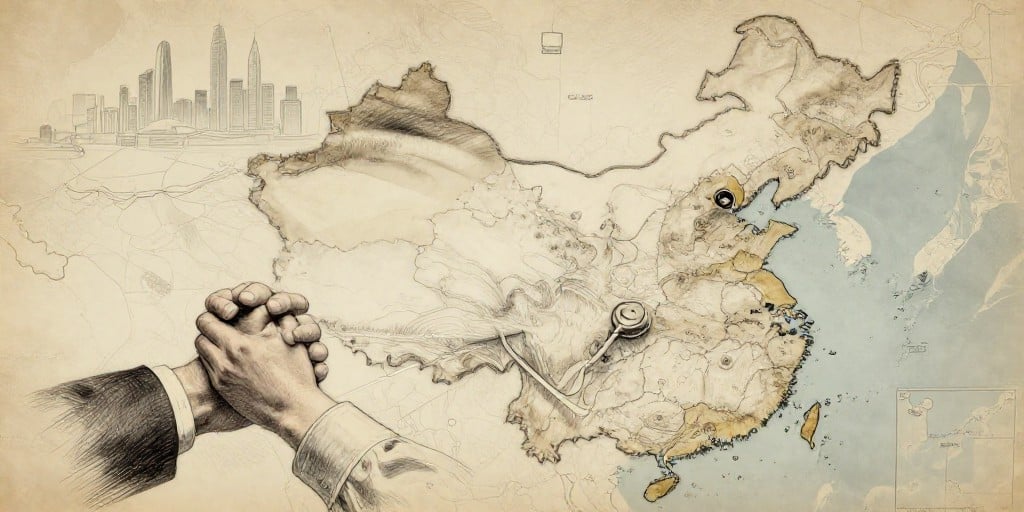
Eli Lilly & Co. (NYSE: LLY), a juggernaut in the pharmaceutical arena, has just inked a pivotal distribution and promotion agreement with Switzerland‑based DKSH Holding AG. The deal, announced on July 6 2026, grants DKSH exclusive rights to commercialise Lilly’s existing product portfolio across Hong Kong and Macau. While the financial terms remain undisclosed, the partnership signals a calculated move to consolidate Lilly’s foothold in the Greater China region, a market that continues to burgeon for specialty medicines.
Why DKSH? A Calculated Market Play
DKSH is renowned for its deep-rooted distribution networks and robust medical affairs infrastructure across Asia. By leveraging DKSH’s established channels, Lilly bypasses the logistical and regulatory hurdles that typically slow market entry in densely populated, heavily regulated territories. This move aligns with Lilly’s long‑term strategy of expanding its presence in high‑growth markets where demand for neuroscience, endocrine, and oncology therapeutics is accelerating.
Furthermore, the partnership extends Lilly’s existing collaboration in Singapore and Vietnam, creating a seamless regional supply chain that can deliver a steady flow of innovative treatments to a growing patient base. The synergy between Lilly’s research‑driven product pipeline and DKSH’s market‑penetration capabilities promises a win‑win scenario: patients gain faster access to life‑changing therapies, and Lilly solidifies its market share in a region that is increasingly becoming a bellwether for global pharmaceutical trends.
Market Context and Financial Implications
Eli Lilly’s share price closed at $1,200.06 on July 5 2026, hovering near its 52‑week high of $1,238. With a market capitalization exceeding $1.08 trillion, the company is among the most valuable entities in the healthcare sector. Its price‑to‑earnings ratio stands at 43.03, reflecting investors’ bullish expectations for future earnings growth.
While the exact financial upside of the DKSH agreement is not publicly disclosed, the strategic alignment suggests a positive impact on Lilly’s revenue streams. The Greater China region’s pharmaceutical market is projected to grow at a compound annual growth rate of 6–7 % over the next decade, driven by an ageing population and increasing chronic disease prevalence. By securing a reliable distribution partner in Hong Kong and Macau, Lilly positions itself to capture a share of this expanding pie.
Critical Assessment
Some analysts may question whether the partnership offers enough upside to justify the premium often associated with high‑growth regional markets. However, the decision to partner with DKSH rather than build an independent distribution network reflects a mature, risk‑averse strategy. It mitigates regulatory exposure and capitalizes on DKSH’s proven expertise, thereby preserving Lilly’s capital for research and development.
Moreover, the timing of this announcement coincides with a broader shift in global health‑care investment dynamics. Recent coverage from Finanzen Net highlights the underperformance of health‑care ETFs relative to global benchmarks, suggesting that savvy investors are still seeking out high‑quality, strategically positioned companies like Lilly. The DKSH partnership is a tangible signal that Lilly is not content with passive market participation; instead, it is actively forging pathways to secure long‑term growth.
Bottom Line
Eli Lilly’s alliance with DKSH for Hong Kong and Macau distribution is more than a routine corporate transaction—it is a strategic assertion of dominance in a rapidly evolving market. The partnership augments Lilly’s global reach, reduces operational risk, and taps into a lucrative region poised for sustained growth. For investors who value disciplined, forward‑thinking execution, Lilly’s latest move reaffirms the company’s status as a leader in the pharmaceutical industry.