
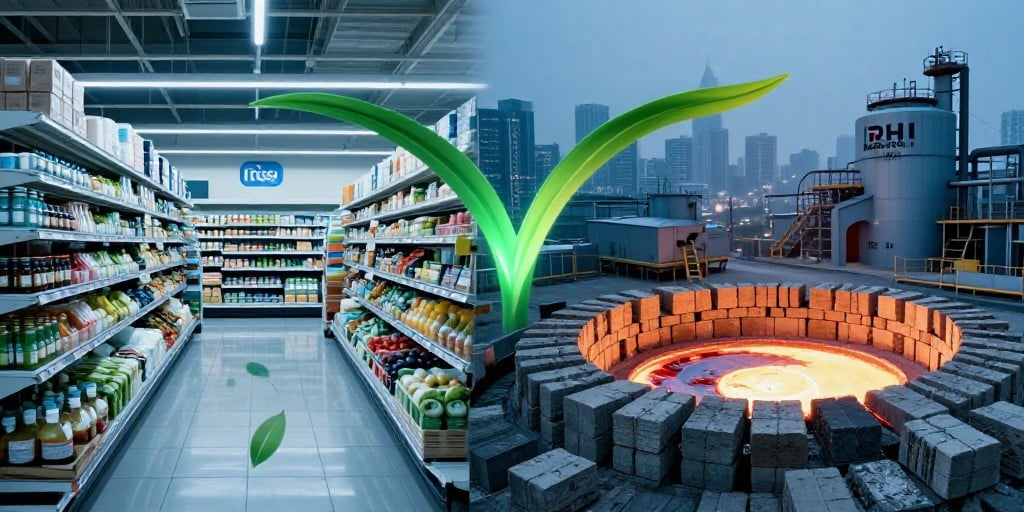
In the dynamic landscape of the consumer staples sector, The Kroger Co. stands as a prominent player, operating a vast network of supermarkets across the United States. Known for its extensive product offerings, Kroger provides a comprehensive range of goods, including meat, seafood, bakery items, dairy products, frozen foods, cleaning supplies, kitchen essentials, beverages, health products, electronics, toys, vegetables, fruits, beauty products, and household items. This diverse array ensures that Kroger remains a one-stop destination for consumers seeking quality and variety in their shopping experience.
As of August 4, 2026, Kroger’s stock closed at $56.68 on the New York Stock Exchange, reflecting a market capitalization of approximately $35.4 billion. Despite fluctuations throughout the year, with a 52-week high of $76.58 on March 11, 2026, and a low of $54.15 on June 30, 2026, the company maintains a robust presence in the market. The price-to-earnings ratio stands at 35.37, indicating investor confidence in its growth potential and operational efficiency.
While Kroger continues to solidify its position in the consumer staples distribution and retail industry, it is noteworthy to observe parallel developments in the global sustainability landscape. A significant announcement came from RHI Magnesita India Ltd., which unveiled the launch of MINPRO, a joint venture with Khemka Refractories Pvt. Ltd. This new entity is poised to revolutionize the refractory recycling sector in India, focusing on the supply of circular mineral solutions to the country’s burgeoning industrial sectors.
Headquartered in Odisha, MINPRO is led by Jyotirmoy Bhattacharjee, whose extensive background in refractory sales and marketing is expected to drive the venture’s success. The partnership aims to establish an integrated recycling supply chain, enhancing resource efficiency and supply-chain resilience while minimizing the environmental impact of high-temperature industries. This initiative aligns with RHI Magnesita’s global sustainability strategy, underscoring its commitment to promoting circularity and fostering sustainable industrial growth in the region.
As these developments unfold, both Kroger and RHI Magnesita’s initiatives highlight the evolving priorities within the consumer staples and industrial sectors. Companies are increasingly focusing on sustainability and resource efficiency, reflecting broader trends towards environmental responsibility and economic resilience. These efforts not only contribute to the companies’ strategic objectives but also resonate with the growing consumer demand for sustainable practices and products.