
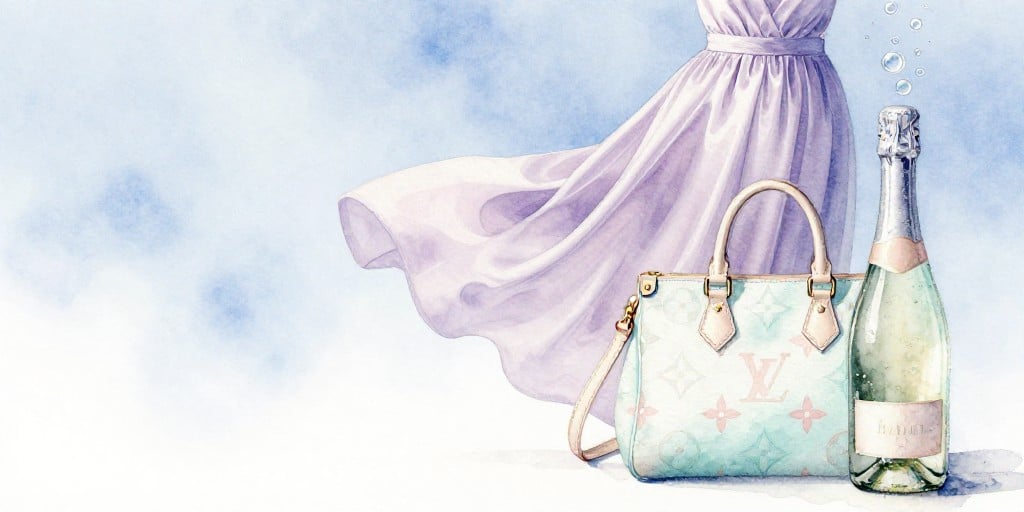
LVMH’s Unanticipated Upswing: Louis Vuitton and Dior Fuel a Resurgence
LVMH Moët Hennessy Louis Vuitton SE, the behemoth that anchors the world’s most coveted luxury brands—Louis Vuitton, Dior, Bulgari, and Moët & Chandon—has shattered expectations on the back of a robust performance from its flagship fashion houses. Market observers noted that the conglomerate’s shares surged to 475.15 EUR on 30 July 2026, a stark climb from the 52‑week low of 440 EUR to just below the high of 654.7 EUR. With a market capitalization of 234 billion EUR and a price‑earnings ratio of 21.33, the stock’s valuation reflects an aggressive confidence in LVMH’s growth trajectory.
The Catalyst: Louis Vuitton and Dior
According to a report published on 1 August 2026 by newsbit.de, LVMH’s recent surprise comes from the continued momentum of Louis Vuitton and Dior. Both houses have expanded their product lines and strengthened their e‑commerce platforms, driving higher margins and solidifying brand dominance. While Moët & Chandon remains a pillar of the group’s wine and spirits division, the luxury fashion segment has become the engine propelling the conglomerate forward.
This surge underscores the strategic advantage of LVMH’s structure as a parent company controlling a portfolio of nearly 1,500 global brands. As highlighted by www.analyticsinsight.net , a handful of conglomerates such as LVMH wield disproportionate influence over consumer preferences, shaping prices and competition across the globe. The success of Louis Vuitton and Dior therefore reverberates across the entire LVMH ecosystem, amplifying returns for shareholders.
Champagne Under Threat: A Looming Supply Shock
Yet, the wine division is not immune to external shocks. www.handelsblatt.com reports that French Champagne producers have reduced grape allocations to 8,800 kg per hectare—the fourth consecutive cut in 2026— in response to a steep decline in global demand. The region now produces an estimated 253 million bottles, a significant drop from the pandemic‑era peak of 326 million. The reduction is driven by geopolitical tensions (the Iran conflict disrupting transport and escalating energy costs), a slowing global economy, and the specter of U.S. tariffs that could reach 100 % on Champagne imports.
While the immediate impact on Moët & Chandon’s profitability may be contained, the long‑term implications for supply and pricing could ripple throughout LVMH’s wine portfolio. The Champagne crisis highlights a vulnerability that the conglomerate must address through diversification and risk mitigation strategies.
Market Sentiment and Forward Outlook
Investor confidence remains buoyant, fueled by the strong performance of LVMH’s core fashion houses. Nonetheless, analysts warn that the wine sector’s instability could temper future earnings. The conglomerate’s ability to navigate this dual reality—capitalizing on luxury fashion while safeguarding its wine division—will be decisive in sustaining shareholder value.
In summary, LVMH’s latest stock rally is a testament to the enduring strength of its flagship brands, yet it also serves as a reminder that even the most diversified luxury conglomerates are not insulated from sector‑specific risks. The coming quarters will reveal whether the company can maintain its ascent while managing the challenges posed by the Champagne supply crisis.