
NIO’s Unstoppable Push for Infrastructure and Supply‑Chain Mastery
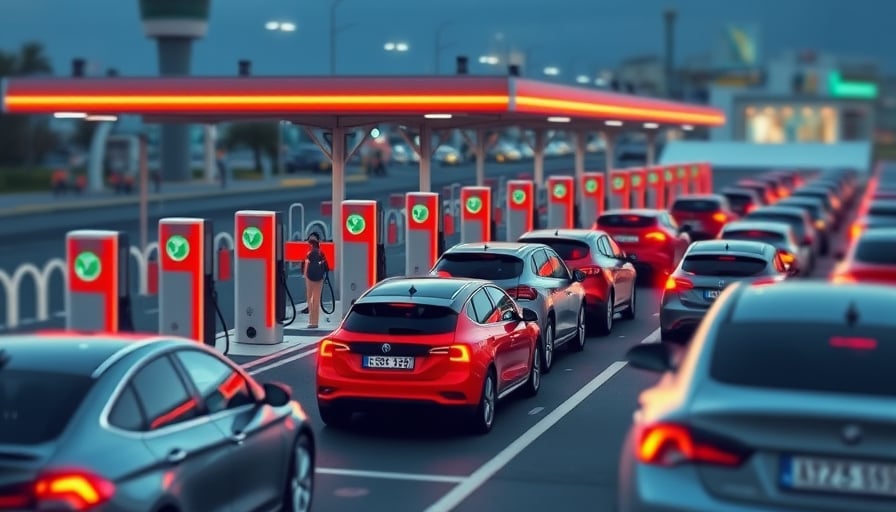
NIO has crossed a decisive threshold in Shanghai today, inaugurating its 500th battery‑swap and charging station—the city’s first to reach this milestone. This development signals a strategic acceleration in the company’s electrification agenda, positioning NIO at the forefront of urban mobility infrastructure in China. By embedding itself deeper into the city’s transportation fabric, NIO not only secures a competitive edge over rivals such as BYD and Xpeng, but also fortifies its claim as a leader in the premium electric‑vehicle (EV) segment.
The 500‑Station Milestone: A Tactical Advantage
The new swap station at the Chateau Star River Pudong marks Shanghai’s 198th battery‑swap point, bringing the city’s total to 500. This achievement underscores NIO’s aggressive rollout strategy, which hinges on rapid expansion of its proprietary battery‑swap network. While other manufacturers rely on traditional charging, NIO’s model delivers a tangible benefit to drivers: a battery can be swapped in under three minutes, eliminating range anxiety and reducing downtime. As the EV market matures, such infrastructure will be a decisive factor in customer loyalty and brand differentiation.
Supply‑Chain Synergies: From Zinc to Electric Power
A parallel narrative is unfolding in the metal‑supply domain. A recent exposé highlighted the convergence of Pasinex Resources, thyssenkrupp, and NIO within a “secret profit chain” that traces zinc extraction through steel production to premium EV manufacturing. Zinc, a critical corrosion‑protective element for automotive steel, now also plays a pivotal role in next‑generation battery chemistries. By aligning with leading metallurgical players, NIO is securing a forward‑integrated supply chain that could mitigate raw‑material volatility—a growing concern as China tightens price‑war scrutiny and imposes stricter cost‑pricing regulations.
Market Pressures and Regulatory Shifts
China’s latest guidelines to curb excessive discounts and prevent pricing below cost come at a time when EV makers are under intense competitive pressure. BYD’s recent share decline illustrates the fragility of discount‑based sales strategies. In contrast, NIO’s focus on value‑added services—battery swapping, premium charging, and an integrated ownership experience—positions the company to weather regulatory clampdowns. By emphasizing service quality over price cuts, NIO preserves margins while maintaining market share.
Strategic Positioning Against Global Competitors
While Volkswagen’s €3 billion R&D investment in Hefei signals a massive push to reclaim Chinese market dominance, NIO’s rapid infrastructure deployment demonstrates a different form of scale: network effect. Volkswagen’s strategy is capital‑intensive and long‑term; NIO’s model offers immediate consumer benefits, strengthening brand loyalty and creating a defensible moat against both domestic and foreign entrants.
Outlook
NIO’s 500th station is more than a numeric milestone; it is a testament to the company’s strategic foresight in infrastructure, supply‑chain integration, and regulatory anticipation. As China tightens price controls and the EV market saturates, NIO’s differentiated approach—combining rapid network expansion, metal‑supply synergies, and a premium customer experience—places it in a position to not only survive but thrive in the next phase of automotive evolution.