The Boehly Pivot: A Tactical Extraction of Lukoil’s International Footprint
The latest intelligence from Reuters and corroborating reports across Financial Nachrichten, TASS, and SRN News confirms that Todd Boehly’s consortium is poised to execute a securities‑swap transaction that will effectively strip Lukoil PJSC of its overseas oil, gas, and petrochemical assets. The deal hinges on the exchange of billions of dollars of frozen Lukoil securities—held by Western investment funds since the sanctions regime took hold—against the company’s portfolio of foreign oilfields, refineries, and petrol stations. If finalized within the coming weeks, the transaction will rewrite the strategic map of the Russian energy sector and recalibrate the balance of power in global oil markets.
Anatomy of the Deal
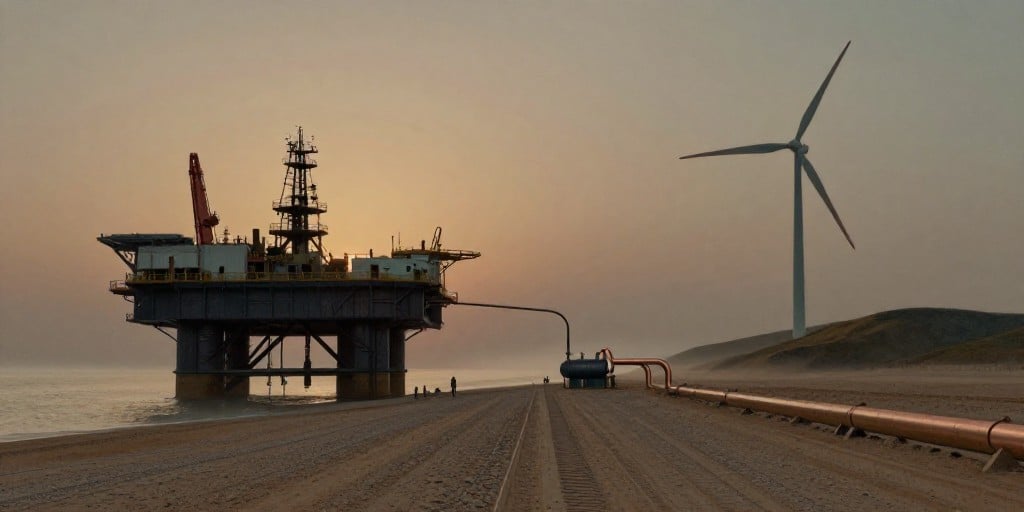
- Assets on the line: Lukoil’s international holdings include mature oilfields in the Perm and Volga basins, a network of refineries that feed the U.S. and European markets, and a chain of gasoline stations that span from the Midwest to the Gulf Coast. These assets are projected to contribute roughly 30 % of Lukoil’s total revenue, a figure that underscores the deal’s high stakes.
- The securities being swapped: Western investment funds have held approximately 3.2 billion USD of Lukoil’s debt and equity securities since the 2022 sanctions were imposed. These instruments have been effectively frozen, rendering them unusable for any capital‑raising activity by Lukoil. The consortium will acquire these frozen securities and trade them for the aforementioned assets.
- Timing and logistics: Reports indicate that a London‑based bank, acting as the consortium’s intermediary, has already purchased the frozen securities. The final swap is expected to conclude within the next 30 days, pending regulatory clearances and confirmation from the frozen‑securities holders.
Why This Move Matters
Erosion of Russian Energy Sovereignty. By removing its most valuable international assets, Lukoil is forced to re‑orient its strategy toward domestic production and infrastructure. The move signals a shrinking of Russia’s influence in global supply chains—a development that could ripple through the entire energy market.
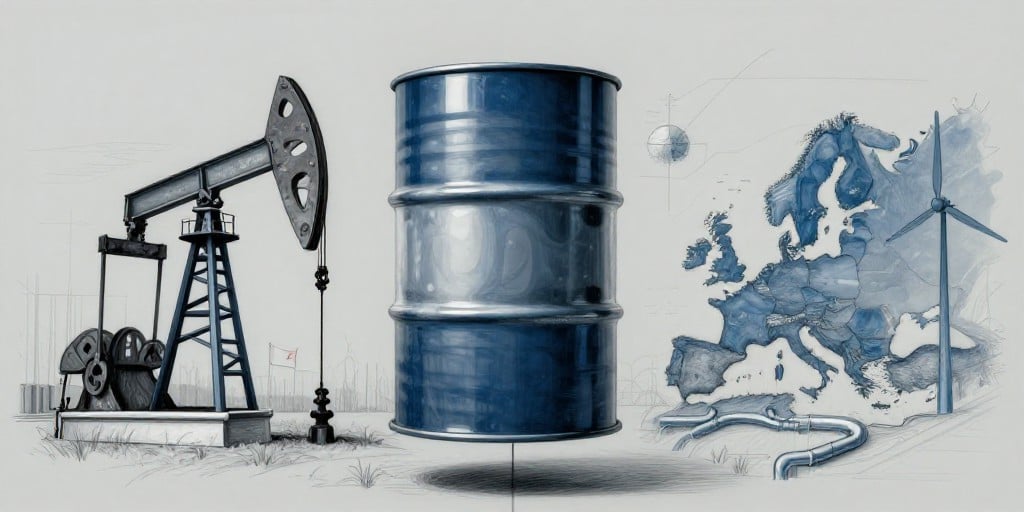
Rebalancing U.S. and European Energy Markets. The consortium’s acquisition of Lukoil’s foreign refineries and distribution networks will create a new, U.S.-backed energy conduit into Europe. This could accelerate Europe’s pivot away from Russian hydrocarbons, a transition that has been a political priority since the 2022 invasion of Ukraine.
Financial Repercussions. Lukoil’s market capitalization—currently pegged at 3.9 trillion RUB—has been bolstered by the value of its international operations. The divestment is likely to depress the company’s share price, which hovered at 6,046.5 RUB on 2026‑11‑02, while the 52‑week high of 6,380 RUB suggests that investors remain wary of the company’s exposure to sanctions and geopolitical risk.
Strategic Advantage for the Consortium. Todd Boehly’s network, which already includes major U.S. sports and entertainment assets, will gain a foothold in a sector with significant downstream opportunities—from fuel sales to petrochemical manufacturing. The consortium is positioning itself as a new player in a market long dominated by state‑backed entities.
Potential Risks and Countermeasures
- Regulatory Hurdles. The transaction will require approval from both U.S. and Russian authorities, as well as compliance with European sanctions frameworks. Any misstep could stall or nullify the deal.
- Market Volatility. The energy market remains highly sensitive to geopolitical shifts. A sudden surge in oil prices or a new wave of sanctions could undermine the financial viability of the acquisition.
- Operational Integration. Assimilating Lukoil’s foreign assets into the consortium’s existing portfolio will demand substantial capital investment and managerial expertise, especially given the aging infrastructure of some of Lukoil’s overseas refineries.
Conclusion
The impending securities‑swap transaction represents more than a simple asset exchange; it is a strategic realignment that will reshape the contours of the global energy industry. While the consortium’s aggressive tactics aim to capitalize on Lukoil’s vulnerability, the long‑term implications for Russia’s energy sovereignty, European market dynamics, and the broader geopolitical landscape remain to be seen. Stakeholders across the spectrum must now brace for a period of intense scrutiny and rapid adjustment as the world watches Lukoil’s international empire transition into new hands.