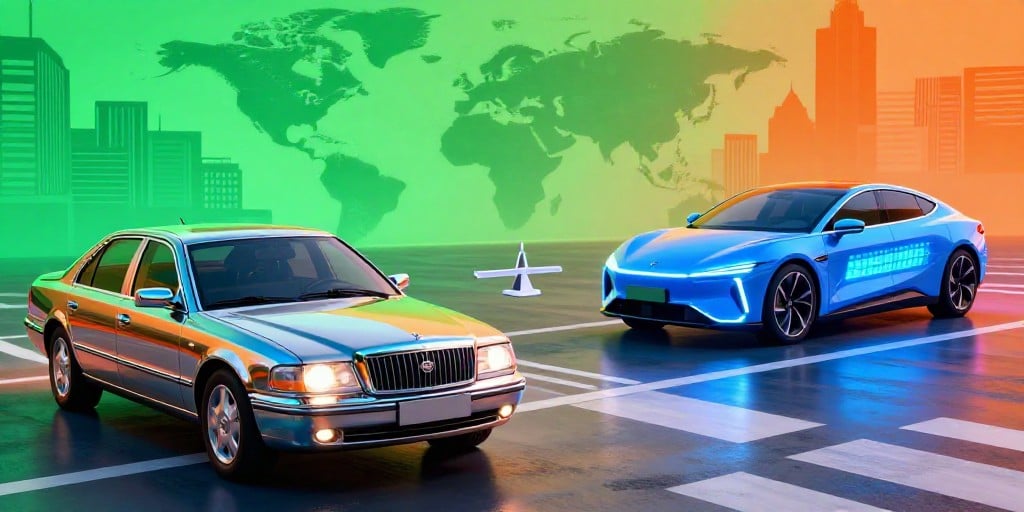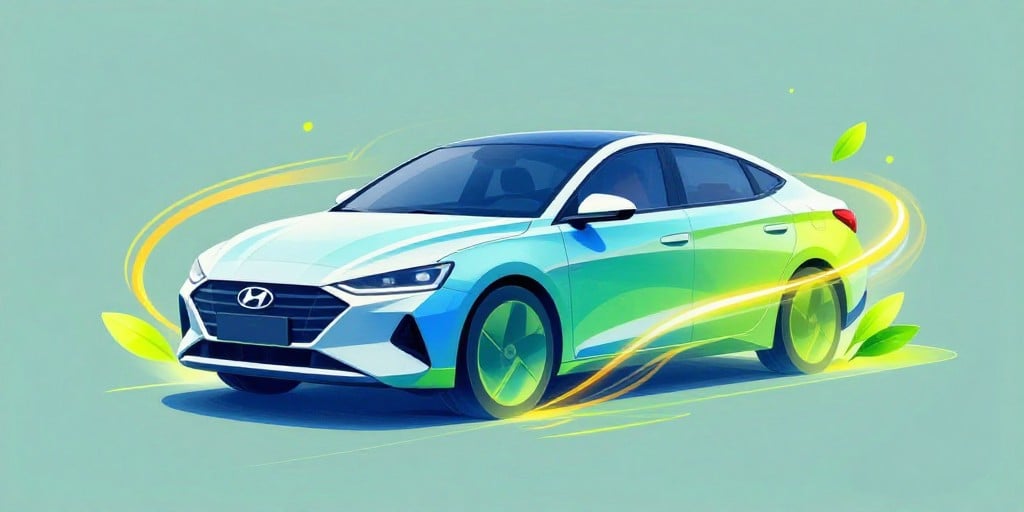
In a decisive move that underscores its commitment to innovation and sustainability, Hyundai Motor Co. has announced a strategic pivot towards hybrid vehicles. This shift is a direct response to the burgeoning consumer demand for fuel-efficient vehicles, driven by escalating fuel costs and a growing environmental consciousness. Hyundai’s decision to expand its hybrid lineup across various model segments is not merely a reaction to market trends but a calculated step to cement its position as a leader in the evolving automotive landscape.
Hyundai’s strategic realignment comes at a critical juncture. The company, a stalwart in the Consumer Discretionary sector and a key player in the Automobiles industry, is navigating a period of significant transformation. With its shares trading on the Korea Exchange Stock Market, Hyundai’s market capitalization stands at a formidable 44 trillion KRW, reflecting its substantial influence and the high stakes involved in its strategic decisions.
The automotive industry is witnessing a seismic shift towards hybrid and electric vehicles, propelled by stringent regulatory expectations and a paradigm shift in consumer preferences. Hyundai’s move to prioritize hybrids is a testament to its agility and foresight. By broadening its hybrid offerings, Hyundai is not only aligning with industry trends but is also positioning itself to meet the diverse needs of its global customer base. This strategy underscores Hyundai’s commitment to providing a balanced mix of internal-combustion and electric powertrains, ensuring that it remains at the forefront of automotive innovation.
Hyundai’s emphasis on hybrids is a strategic choice that reflects a nuanced understanding of the market dynamics. The company’s decision to integrate hybrids as a core component of its future strategy is indicative of its proactive approach to addressing the dual challenges of environmental sustainability and consumer demand for fuel efficiency. This move is expected to have a profound impact on Hyundai’s product development roadmap, influencing its market positioning and competitive edge in the years to come.
Moreover, Hyundai’s strategic shift is a clear signal to its competitors and stakeholders of its intent to lead the transition towards more sustainable automotive solutions. By expanding its hybrid lineup, Hyundai is not only responding to the immediate market demands but is also laying the groundwork for long-term growth and sustainability. This strategic pivot is a bold statement of Hyundai’s vision for the future, one that balances innovation with responsibility, and ambition with pragmatism.
In conclusion, Hyundai Motor Co.’s strategic shift towards hybrid vehicles is a pivotal development that reflects the company’s adaptability and forward-thinking approach. As the automotive industry continues to evolve, Hyundai’s commitment to diversifying its powertrain offerings and prioritizing sustainability positions it as a key player in shaping the future of mobility. This strategic realignment is not just about responding to current trends but about anticipating the future, ensuring that Hyundai remains at the cutting edge of automotive innovation and sustainability.