Hyundai Elevator Co., Ltd., a prominent player in the industrial machinery sector, has recently been the subject of intense scrutiny and analysis. As a company headquartered in Gyeonggi, South Korea, Hyundai Elevator has carved out a significant niche in the manufacturing and servicing of elevators, escalators, moving walkways, automated parking systems, and material handling systems. Their portfolio also extends to the production of screen doors for platform train stations, underscoring their versatility and innovation in the industry.
As of September 15, 2026, Hyundai Elevator’s stock closed at 72,800 KRW, a figure that reflects both the company’s resilience and the volatile nature of the market. The stock has experienced a dramatic fluctuation over the past year, reaching a 52-week high of 113,400 KRW on February 22, 2026, and a low of 61,800 KRW on July 28, 2026. This volatility is indicative of the broader economic challenges and opportunities that have characterized the industrial sector in recent times.
With a market capitalization of 2.64 trillion KRW, Hyundai Elevator stands as a formidable entity within the Korea Exchange Stock Market. The company’s price-to-earnings ratio of 7.3 suggests a valuation that is both attractive and indicative of investor confidence in its future growth prospects. This ratio, while modest, reflects a strategic positioning that balances risk and reward, appealing to a broad spectrum of investors.
Hyundai Elevator’s strategic focus on innovation and quality has been a cornerstone of its success. The company’s commitment to advancing technology in the elevator and escalator industry is evident in its diverse product offerings. By integrating cutting-edge technology into its products, Hyundai Elevator not only enhances operational efficiency but also prioritizes safety and sustainability, aligning with global trends towards greener and more sustainable industrial practices.
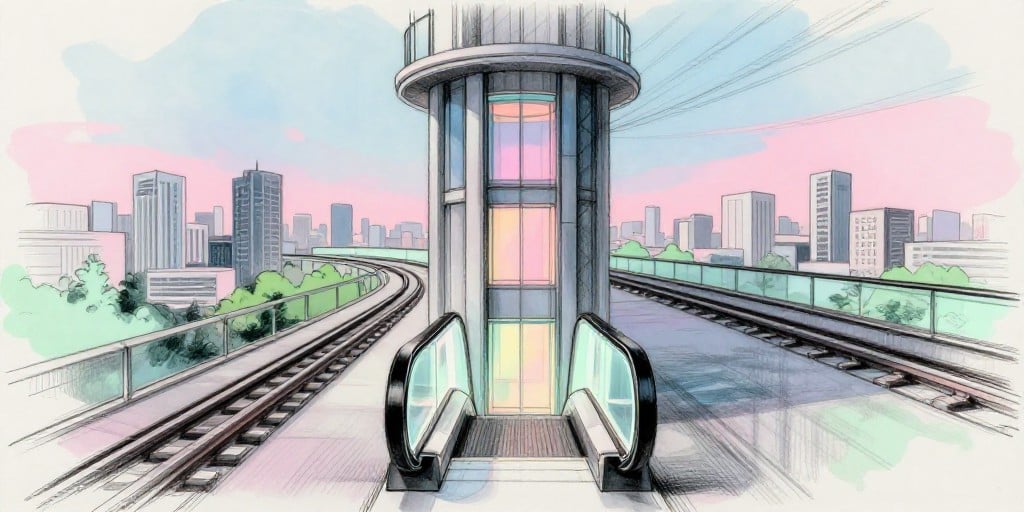
The company’s ability to adapt to changing market dynamics is further exemplified by its expansion into automated parking systems and material handling systems. This diversification strategy not only mitigates risk but also capitalizes on emerging opportunities within the industrial machinery sector. Moreover, Hyundai Elevator’s production of screen doors for platform train stations highlights its responsiveness to the evolving needs of urban infrastructure, a critical consideration in rapidly urbanizing regions.
In conclusion, Hyundai Elevator Co., Ltd. remains a pivotal player in the industrial machinery sector, demonstrating resilience, innovation, and strategic foresight. As the company navigates the complexities of the global market, its commitment to quality, sustainability, and technological advancement positions it well for continued success. Investors and industry observers alike will undoubtedly keep a close watch on Hyundai Elevator’s trajectory, as it continues to shape the future of industrial machinery and infrastructure solutions.