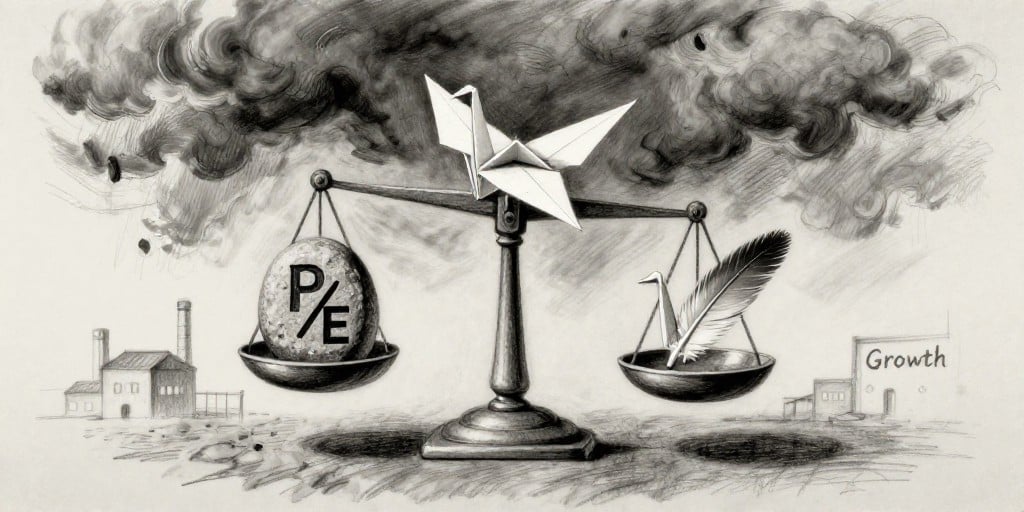
Nike Inc. Faces a Crucial Turning Point – What the Numbers Say
Nike Inc. (NYSE: NKE) sits at a crossroads. The company’s market cap of $55.1 billion and a P/E ratio of 17.9 place it in a highly scrutinised position within the Consumer Discretionary sector. Yet the recent trajectory of its stock, which closed at $37.13 on 2026‑10‑15, tells a story far from the optimism implied by its historical highs.
Resale Resurgence: A Double‑Edged Sword
TalkMarkets reports that Nike’s Jordan brand captured 72.3 % of the resale market in September, a 63‑basis‑point jump from August. This figure is above the 70.8 % average recorded from June to August. The data, sourced from Citi’s tracking, indicates that the Jordan line is regaining traction among sneaker resellers. But the same report cautions investors against treating this spike as a definitive sign of growth. The resale market is a volatile niche, and a surge in volume does not automatically translate into sustainable revenue. Moreover, the jump is concentrated in a single brand, leaving the broader Nike portfolio exposed.
India Expansion: Long‑Term Bets in a High‑Risk Market
In a separate development, Finanznachrichten reports that Nike is building a new global campus in Bengaluru, India, to house corporate functions for Nike, Jordan, and Converse. The move, led by CEO Elliott Hill, is framed as a long‑term investment in India’s fast‑growing consumer market and manufacturing potential. While India offers significant upside, the initiative adds complexity to Nike’s supply chain and exposes the firm to geopolitical and regulatory risks. The campus is slated to open in the next few years, meaning any return on this capital outlay will be delayed, further straining current liquidity and diluting short‑term earnings.
Past Performance: A Bitter Reminder
Finanzen.net’s retrospective analysis shows that an investment of $100 in Nike on 2025‑10‑17 would now be worth $55.57, reflecting a 44.4 % loss over one year. The stock’s closing price dropped from $66.84 to $37.14 in that period. For a company whose 52‑week high reached $70.44, this decline underscores a sustained erosion of shareholder value.
Material Innovation: A High‑Cost Frontier
Another source highlights Nike’s shift toward high‑technology materials—carbon plates, advanced foams, and multiple Air‑Zoom elements—in its latest marathon shoe. While such innovation could differentiate products, it also escalates production costs and may compress margins if price sensitivity among consumers rises.
Market Context: The Broader Downturn
The Dow Jones experienced a ‑0.34 % decline on 2026‑10‑16, reflecting broader market softness. TalkMarkets’ analysis of the Nasdaq and AI‑led rally suggests that even “beaten‑down” names like Nike are not immune to the current volatility. The bearish trend in QQQ and other large‑cap names indicates a tightening risk appetite that could further pressure Nike’s valuation.
Bottom Line: Opportunity or Warning?
- Resale gains are impressive but narrowly focused.
- India campus offers strategic depth but delays returns and adds risk.
- Historical losses demonstrate that the stock has not been a safe haven.
- Innovation costs could erode margins if consumer demand stalls.
- Market volatility suggests cautious positioning.
For investors, the message is clear: Nike’s recent initiatives paint a picture of ambition tempered by risk. Those who remain bullish must weigh the potential upside of a revitalised Jordan brand and Indian expansion against the stark evidence of a declining share price and the inherent uncertainties of high‑tech material development. The company’s future will be decided not merely by headlines but by its ability to translate these bold moves into sustained profitability.