Kyocera Corp: From Sustainable Printing to Energy Management—A Strategic Pivot
Kyocera Corp., a long‑standing player in electronic equipment and components, is currently redefining its market footprint through a series of high‑profile collaborations that span sustainable fashion, artificial intelligence‑driven energy systems, and advanced optical materials. These moves illustrate the company’s aggressive pursuit of diversification, yet they also raise questions about the coherence of its strategy and the potential dilution of focus.
1. Sustainable Inkjet Textile Printing: FOREARTH Takes the Milan Runway
On February 26, 2026, the Italian fashion brand Florania showcased its Fall/Winter 2026/2027 collection at Milan Fashion Week, employing Kyocera Document Solutions’ FOREARTH inkjet textile printer. The press release from Kyocera Document Solutions Italia highlights that the FOREARTH system supports sustainable fashion, enabling direct textile printing with reduced water usage and lower chemical inputs compared to conventional dyeing processes. By aligning itself with a global platform such as Milan Fashion Week, Kyocera is positioning its printing technology as a viable alternative for eco‑conscious designers. This collaboration serves a dual purpose: it showcases Kyocera’s versatility in the textile sector and signals a commitment to sustainability that could resonate with a broader consumer base.
However, the announcement is largely a marketing statement. The technology’s adoption by a single fashion house, albeit a prominent one, does not yet confirm widespread industry uptake. Kyocera must prove that FOREARTH can scale to meet the volume demands of mass‑produced apparel without compromising performance or cost. Without such evidence, the partnership risks being a symbolic gesture rather than a substantive shift in revenue streams.
2. AI‑Based Energy Management: The “SmaRe:C” System
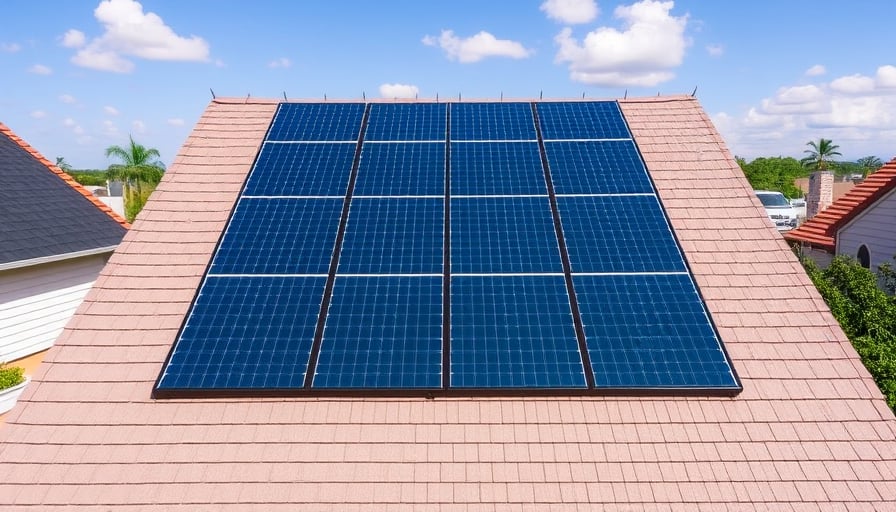
Shortly after the fashion collaboration, Kyocera entered the renewable‑energy arena. On March 2, 2026, Osaki Electric announced an agreement with Kyocera Corp. and two Taiwan Plastics Group affiliates to jointly develop an AI‑controlled Energy Management System (EMS) dubbed “SmaRe:C.” The system intends to integrate solar generation with lithium‑iron‑phosphate (LFP) battery storage, promising more efficient grid balancing and reduced peak demand.
This partnership signals Kyocera’s ambition to embed itself in the burgeoning smart‑grid market—a sector projected to expand as countries accelerate decarbonization. Yet, the move also underscores a potential distraction. Developing cutting‑edge EMS solutions requires significant R&D investment, regulatory navigation, and a deep understanding of utilities’ operational frameworks. Kyocera’s core competencies lie in manufacturing precision electronics and optical components; the transition to complex energy software and hardware integration may stretch the company’s expertise.
3. Sapphire Glass: A Contextual Backdrop
While Kyocera has no explicit involvement in the sapphire glass market, the industry’s rapid growth—projected to reach $1.70 billion by 2032—provides contextual relevance. Sapphire glass, prized for its scratch resistance and optical clarity, is increasingly used in high‑end displays, automotive sensors, and aerospace optics. Kyocera’s existing portfolio includes image sensors and liquid crystal displays, suggesting that the company could capitalize on sapphire glass technology to enhance its product offerings.
The market analysis from DataM Intelligence indicates a CAGR of 7.51% for sapphire glass between 2025 and 2032. If Kyocera were to integrate sapphire glass into its displays or sensors, it could command higher margins and strengthen its position against competitors who rely on less durable materials. Nevertheless, no announcement has yet confirmed Kyocera’s entry into this domain, leaving the potential upside speculative.
4. Market Position and Financial Health
Kyocera’s financials reflect a company operating at the upper echelons of the Japanese market:
- Market Cap: 3.6 trillion JPY
- Price‑to‑Earnings Ratio: 36.205, indicating that investors demand a high premium for earnings potential.
- Stock Performance: The share price hovered near its 52‑week high of 2,758 JPY, suggesting positive investor sentiment.
Despite robust market capitalization, the company’s P/E ratio signals that investors are expecting significant growth—potentially from the new initiatives highlighted above. However, a high valuation also implies that any misstep could precipitate a sharp correction.
5. Conclusion: Ambition vs. Execution
Kyocera’s recent announcements paint a picture of a company eager to diversify and align itself with contemporary global trends—sustainability in fashion, AI‑driven energy solutions, and advanced optical materials. Yet, the lack of concrete data on revenue impact, scalability, and integration raises concerns. The company’s historical strengths in manufacturing precision components may not seamlessly translate into success in the highly competitive fashion and smart‑grid markets, where brand, software, and service ecosystems play pivotal roles.
Ultimately, Kyocera’s strategy will be judged by its ability to move beyond high‑profile collaborations and translate them into sustainable, profitable business lines. If the company can demonstrate tangible market penetration and maintain its manufacturing excellence, it could well set a precedent for traditional electronics firms to pivot successfully. If not, the ambitious partnerships risk becoming costly diversions that erode shareholder value and dilute the brand’s core identity.