
2026‑01‑05: A Market on the Verge of a New Peak – What LDK Should Watch
The Shanghai and Shenzhen exchanges opened on a day that felt less like a routine market session and more like a collective sigh of relief. After a protracted period of uncertainty, the A‑share indices surged to new heights, with the Shanghai Composite breaking the 4,000‑point threshold and the Shenzhen component climbing 2.24 %. The trading volume spiked, and more than a hundred stocks reached the 20 centimetre‑stop‑loss mark – a phenomenon that has become shorthand for “the market is finally moving.”
For companies operating in the consumer‑discretionary, automobile‑components sector, this environment is a double‑edged sword. On the one hand, investor confidence has returned; on the other, the volatility of the sector remains a constant threat. Hang Zhou Radical Energy‑Saving Technology Co., Ltd. (LDK) is no exception. With a market capitalization of 8.78 billion CNY and a price‑to‑earnings ratio of 62.75, LDK is a high‑growth play that has already been rewarded for its technological focus on bearings, belt tensioners, and clutch components.
1. Market Context: A Surge That Harms No One, but May Hurt the Sector
The recent rally is a symptom of a broader shift toward the “20 cm” and “30 cm” stocks that are enjoying institutional buy‑in. The sector‑level data show that while the automotive industry has been under pressure, there are still 83 stocks posting gains. The top performers are not LDK, but firms such as Fu Sai Technology and Xin Quan Stocks, which have seen returns of 7.81 % and 7.49 %, respectively. In contrast, the automotive sector’s overall decline of 0.40 % signals that the rally is uneven and that value‑centric players may be lagging.
For LDK, this means that a market‑wide rebound can be a catalyst for share price appreciation. Yet the sector’s volatility—illustrated by the 20 % swing between its 52‑week high (74.21 CNY) and low (20.41 CNY)—remains a risk factor. LDK’s management must therefore balance growth ambitions with disciplined risk controls, ensuring that the company does not become a passive beneficiary of short‑term market sentiment.
2. Company Fundamentals: A Portrait of an Emerging Powerhouse
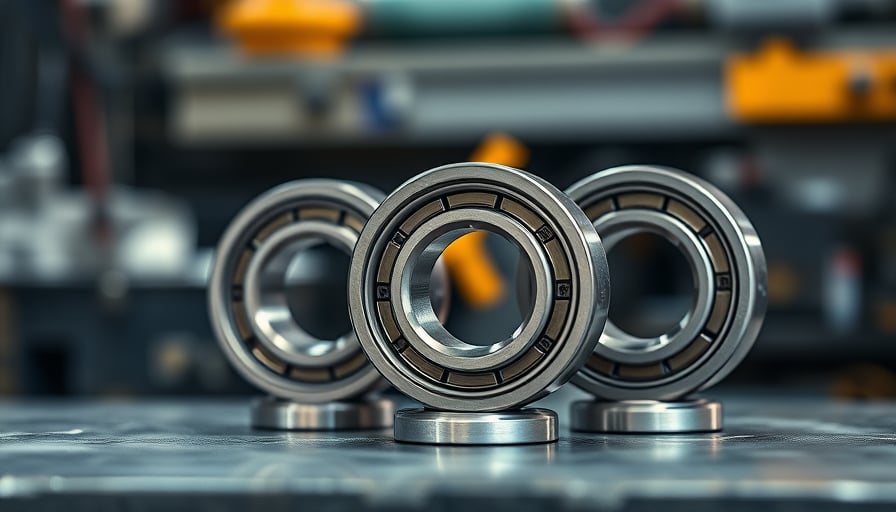
Founded in 2002, LDK has carved out a niche in wheel bearings, hub units, tapered roller bearings, belt tensioners, and clutch release bearings. The company’s revenue trajectory has been impressive, growing at a compound annual rate that outpaces the sector average. Even though LDK’s earnings per share are modest (0.22 CNY) and its return on net assets sits at 5.95 %, the firm’s valuation at a 62.75‑times P/E is justified by its projected scale‑up and the strategic importance of its products in the electrification and autonomous vehicle markets.
LDK’s asset base and product portfolio give it a moat against low‑margin competitors. Its focus on energy‑saving technology aligns with the national push toward greener transportation, positioning the company favorably for future regulatory and market incentives.
3. What the Rally Means for LDK’s Strategic Outlook
Capital Raising Opportunities The surge in market capitalization across the board has opened the door for equity financing. LDK could consider a secondary offering to fund R&D pipelines for next‑generation bearings optimized for high‑speed electric motors and autonomous vehicles. A higher share price would reduce the dilution cost, and the current investor sentiment is conducive to a positive reception.
Supply Chain Leverage With automotive manufacturers looking to cut costs while maintaining quality, LDK’s energy‑efficient bearings could become a differentiator. The company should leverage its existing relationships with Tier‑1 suppliers to secure long‑term contracts, especially in light of the new “20 cm” rally that underscores a demand for high‑quality components.
Strategic Partnerships The news about brain‑machine interfaces (News 2) and the heavy investment in technology firms hints at a broader trend toward integrated automotive‑tech ecosystems. LDK could explore joint ventures with automotive software or sensor companies, positioning itself as a critical hardware partner in the emerging autonomous vehicle market.
Risk Mitigation Even with the market’s upward trajectory, the automotive component sector remains exposed to supply‑chain disruptions and raw‑material cost volatility. LDK should invest in supply‑chain resilience—e.g., by diversifying raw‑material sources and adopting advanced manufacturing techniques—to safeguard against potential downturns.
4. Investor Takeaway: LDK Is a Bullish Play with Caveats
For the discerning investor, LDK offers a compelling mix of high growth potential and sector relevance. Its focus on energy‑saving technologies, coupled with a robust product line that serves both traditional internal combustion engines and the emerging electric vehicle market, gives it a competitive edge. The current market environment, highlighted by a bullish A‑share market and sectoral gains for automotive component firms, is a favorable backdrop for a potential upside.
However, the high valuation must be reconciled with the company’s modest profitability metrics. LDK’s management should prioritize profitability improvements, perhaps through cost optimisation and margin‑enhancing product lines. In the short term, the market rally can be exploited for capital raising and strategic positioning, but long‑term investors must monitor whether LDK can translate its technological strengths into sustainable earnings growth.
In conclusion, LDK sits at a crossroads where macro‑economic optimism meets sector‑specific challenges. Its ability to navigate this terrain will determine whether it can transform the current market momentum into durable shareholder value.