
In a recent U.S. filing, LG Display Co., Ltd., a prominent South Korean company in the Information Technology sector, has disclosed its financial performance for the first half of 2026. The company, known for its specialization in digital display products, reported a significant increase in sales, reaching approximately 11 billion won. This growth is primarily attributed to the robust demand for television, IT, mobile, and automotive panels.
Despite the rise in sales, LG Display observed a contraction in both gross and operating profits compared to the previous year. This financial dynamic underscores the challenges faced by the company amidst fluctuating raw-material costs. Key inputs such as polarizers, PCBs, and drive ICs have experienced price volatility, impacting the company’s cost structure.
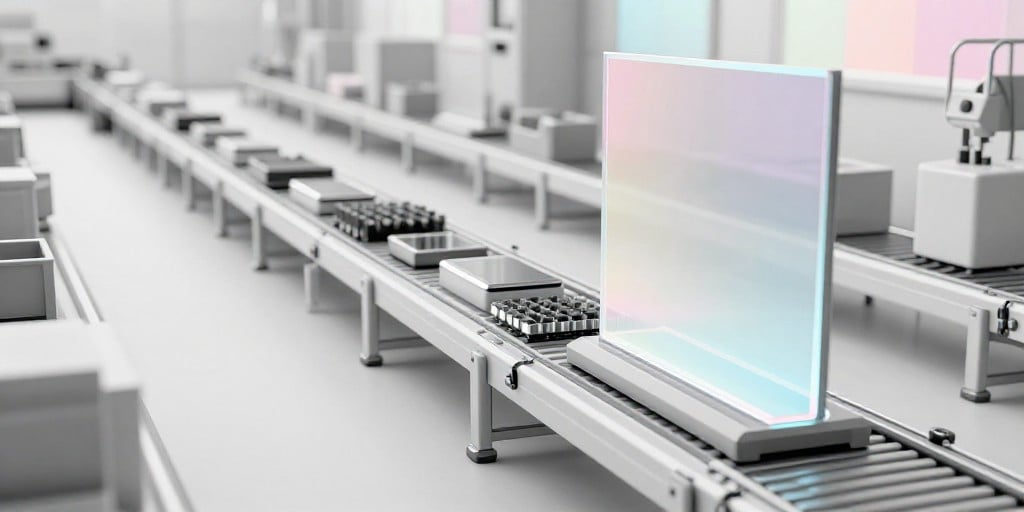
To address these challenges and capitalize on emerging opportunities, LG Display has expanded its production capacity. The company’s three main plants are now operating near full capacity, producing close to 1.7 million glass sheets during the period. This expansion aligns with the company’s strategic focus on high-value panel technologies, particularly OLED.
Reflecting its commitment to innovation and technological leadership, LG Display has outlined capital expenditure plans for 2026, targeting the mid-to-upper range of two trillion won. These investments are directed towards enhancing OLED capabilities and other advanced display technologies, reinforcing the company’s position in the competitive electronics market.
LG Display’s strategy also emphasizes maintaining strong relationships with its concentrated customer base, which accounts for the majority of its revenue. By focusing on these key partnerships, the company aims to sustain its market presence and drive future growth.
In summary, while LG Display faces challenges related to raw-material cost volatility, its strategic investments in production capacity and high-value technologies, coupled with a focus on customer relationships, position the company to navigate the complexities of the electronic equipment industry effectively.