
Merck & Co. Expands Global HIV Prevention Reach Through Strategic Licensing
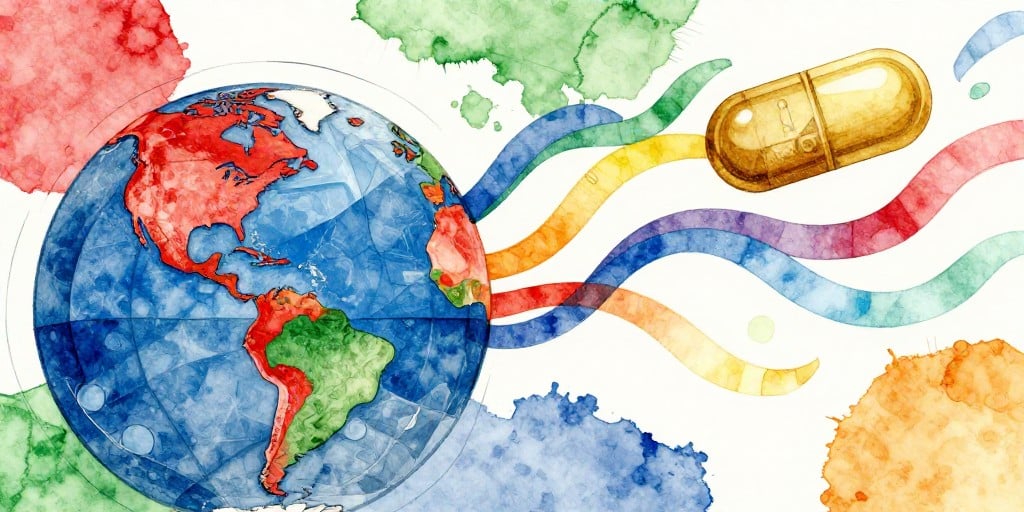
Merck & Co., Inc. (NYSE: MRK) announced a significant expansion of its HIV prevention portfolio by securing seven royalty‑free licensing agreements with generic manufacturers in 129 low‑ and middle‑income countries. The agreements, disclosed in a press release issued on 24 July 2026, enable the production and distribution of the antiviral agent alimatravir—a promising candidate for the first monthly oral HIV prevention pill.
Licensing Details and Impact
- Scope: The licensing arrangements cover 129 countries, providing a platform for widespread, affordable access to a once‑monthly prophylactic regimen.
- Manufacturing Partners: One of the licensees, Aspen Pharmacare Holdings Ltd., has been highlighted in multiple reports (MoneyControl, Bloomberg, Avanza.se) as a key manufacturer that will bring the product to market.
- Royalty Structure: The deals are royalty‑free, underscoring Merck’s commitment to public health and ensuring that pricing barriers are minimized for low‑resource settings.
The strategic move aligns with Merck’s broader mission to deliver health solutions across prescription medicines, vaccines, biologic therapies, animal health, and consumer care products. By leveraging its global reach, Merck aims to accelerate the availability of a monthly HIV prevention pill, potentially transforming the landscape of HIV prophylaxis worldwide.
Market Context and Company Performance
Merck & Co. remains one of the largest pharmaceutical entities, with a market capitalization of $322.3 billion. As of 23 July 2026, the stock closed at $131.07 per share, comfortably within its 52‑week range of $76.66 to $131.74. The company’s price‑earnings ratio stands at 36.78, reflecting investor expectations of continued growth in its therapeutic pipeline.
While the pharmaceutical sector is witnessing strong performance—highlighted in recent sector analyses that cite the success of GLP‑1 therapies and oncology growth—Merck’s focus on preventive medicine positions it distinctively within the market. The licensing initiative not only diversifies revenue streams but also strengthens the company’s reputation as a leader in global health innovation.
Broader Implications
The rollout of a once‑monthly HIV pill is poised to enhance adherence rates and reduce new infections, particularly in regions where daily regimens pose logistical challenges. By enabling local production, Merck addresses both supply chain constraints and cost barriers. This initiative may also influence regulatory frameworks and encourage similar licensing models for other preventive therapies.
In a landscape where pharmaceutical companies grapple with pricing pressures and access issues, Merck’s collaborative licensing strategy exemplifies a model that balances commercial interests with public health imperatives.
Note: The information herein is drawn exclusively from the provided company fundamentals and recent news releases concerning Merck & Co., Inc. No additional external data has been incorporated.