
Merck KGaA Accelerates Its European Testing Capabilities
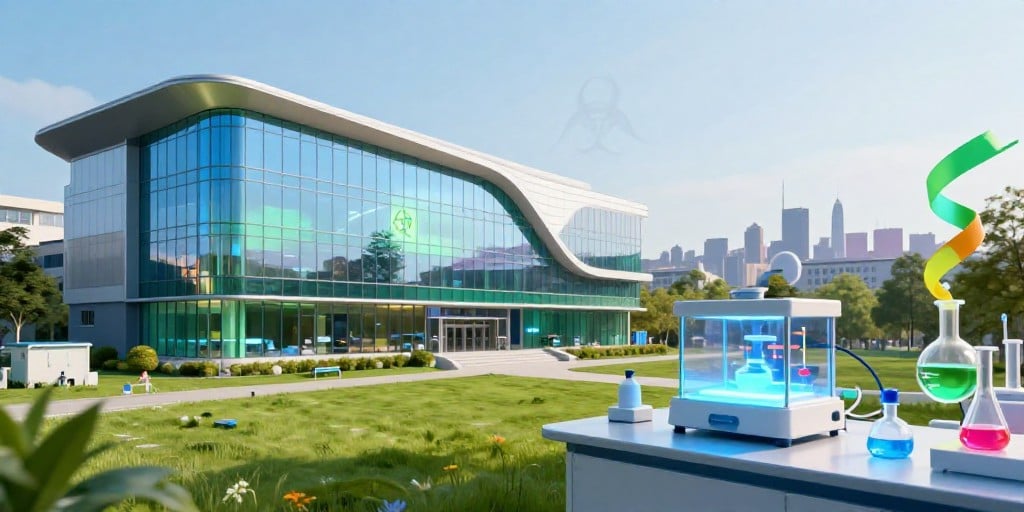
Merck KGaA, a global powerhouse in pharmaceuticals and chemicals, has unveiled a bold expansion of its European testing infrastructure. On 16 July 2026, the company announced the opening of a new, 2 000‑square‑meter BioReliance testing facility in Darmstadt, Germany. The investment, amounting to €25 million, underscores Merck’s commitment to maintaining a competitive edge in drug development and release across the continent.
A Strategic Investment in Quality Assurance
The new center is designed to conduct commercial drug substance and drug product release testing, as well as GMP‑compliant stability studies. By situating the facility near major clinical‑trial hubs, Merck ensures rapid turnaround for manufacturers seeking approval for European markets. The location also reflects the company’s long‑standing presence in Darmstadt, a city that has been home to Merck’s headquarters for decades.
Implications for the European Pharmaceutical Landscape
The opening of this facility is more than a mere expansion of physical space; it is a signal that Merck intends to dominate the regulatory testing segment of the market. As the European Medicines Agency (EMA) tightens its standards, manufacturers are increasingly looking for reliable partners capable of navigating complex approval pathways. Merck’s new center positions it as a preferred collaborator for pharmaceutical developers ranging from small biotech firms to large multinational corporations.
Financial Context
Merck’s market capitalization stands at €65.93 billion, with a current share price of €137.95. The company’s price‑earnings ratio of 24.05 reflects investor confidence in its growth prospects. The €25 million investment—while significant—constitutes a modest fraction of Merck’s annual operating budget and is expected to yield a rapid return through service contracts and increased throughput of testing jobs.
Market Dynamics and Competitive Pressures
The pharmaceutical testing market is experiencing rapid growth, driven by the proliferation of novel therapies, particularly in oncology, neurodegenerative, and autoimmune diseases—areas in which Merck already has a strong research portfolio. Furthermore, the broader market for oligonucleotide synthesis is projected to reach $32.72 billion by 2031, a CAGR of 17.4%, indicating a surge in demand for specialized testing services.
Merck’s move also comes at a time when the soft‑tissue sarcoma market—projected to grow at a CAGR of 7.9% through 2036—is expanding, fueled by new therapeutic options. As companies seek to bring these treatments to market, they require rigorous, GMP‑compliant testing, further amplifying demand for Merck’s services.
Regulatory and Transparency Measures
In line with German Securities Trading Act (WpHG) Article 40, Section 1, Merck has released a Europe‑wide distribution announcement, ensuring transparent communication with shareholders. This regulatory compliance reinforces investor confidence and aligns with Merck’s reputation for stringent governance.
Conclusion
Merck KGaA’s €25 million investment in the new Darmstadt testing facility is a calculated stride toward cementing its leadership in European pharmaceutical quality assurance. By expanding its testing capabilities, Merck is not only meeting the escalating demands of the drug development cycle but also positioning itself as a pivotal partner for manufacturers navigating the increasingly stringent European regulatory landscape. As the industry evolves, Merck’s proactive approach will likely translate into sustained revenue growth and an enhanced competitive moat in the global marketplace.