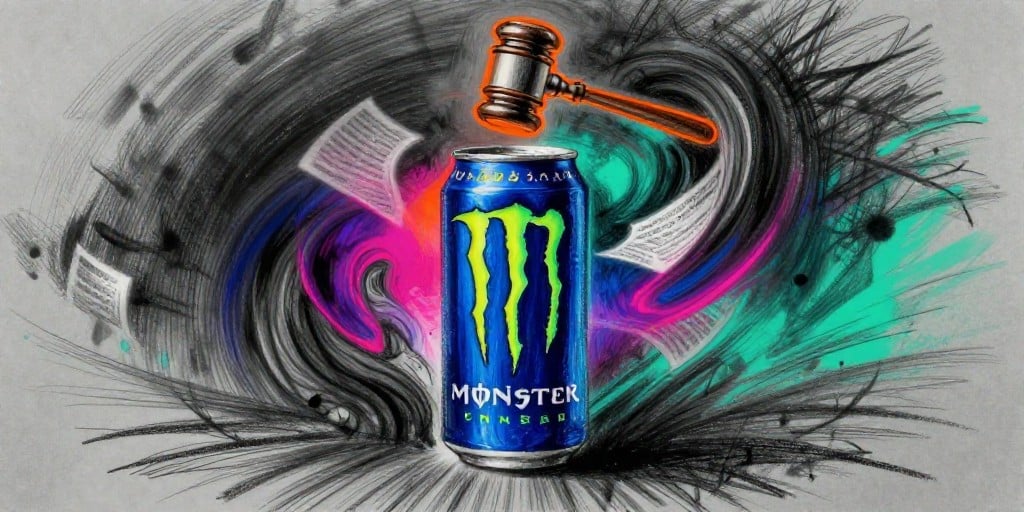
In a significant legal confrontation, Monster Beverage Corporation, a leading entity in the global energy drink market, finds itself at the center of a contentious dispute with India’s food safety regulator. This clash underscores the broader challenges faced by multinational beverage companies as they navigate the complex regulatory landscapes of emerging markets.
Monster Beverage Corp., known for its aggressive marketing and widespread distribution of high-caffeine energy drinks, is currently embroiled in a lawsuit filed in New Delhi. The company, alongside industry giant PepsiCo, is challenging a directive from India’s food safety authority that mandates the removal of the “energy drink” label from their products. This directive, issued with a 90-day compliance window, has already led to the seizure of inventory across several Indian states, signaling the regulator’s firm stance on the matter.
The crux of the dispute lies in the regulator’s concerns over the health implications of high-caffeine beverages, particularly in a country where regulatory scrutiny over caffeine and sugar content is intensifying. The directive not only threatens to disrupt Monster’s operations in one of the fastest-growing markets for energy drinks but also poses a significant risk to its investments and reputation in the region.
As the court prepares to hear the case next week, the silence from Monster Beverage Corp. in response to media inquiries adds an air of suspense to the unfolding drama. The outcome of this legal battle could set a precedent for how energy drinks are marketed and regulated in India, a country where the beverage industry is witnessing rapid growth amidst increasing health consciousness among consumers.
The broader implications of this dispute extend beyond the immediate commercial repercussions for Monster and PepsiCo. It highlights the delicate balance that multinational corporations must strike between expanding their global footprint and adhering to local regulations that reflect the health and safety concerns of the population. As the energy-drink market in India continues to expand, the resolution of this legal challenge will be closely watched by industry players and regulators alike, offering insights into the future of beverage marketing and regulation in emerging markets.
In conclusion, the legal standoff between Monster Beverage Corporation and India’s food safety regulator is more than a mere commercial dispute; it is a reflection of the growing tensions between global business interests and local regulatory frameworks. As the case progresses, it will undoubtedly shed light on the evolving dynamics of the global beverage industry, particularly in markets where regulatory scrutiny is on the rise.