Natural Gas Markets Face a Turbulent Week Amid Geopolitical and Supply‑Side Shocks
The global natural‑gas landscape has entered a period of heightened uncertainty, driven by a confluence of geopolitical tensions, production disruptions, and speculative market activity. Over the past few days, traders and investors have been forced to grapple with a rapid shift in supply dynamics, prompting sharp price swings in both spot and futures markets.
Spot Prices Surge in Turkey
On March 7, the Turkish spot market saw a significant uptick. Anadolu Agency reported that 1,000 cubic meters of natural gas on the spot market traded for 14,699.24 TL. While the figure is expressed in Turkish lira, the move underscores the broader trend of price pressure in regions heavily reliant on imported LNG. Turkey’s position as a major transit hub for Eurasian gas further magnifies the impact of any supply hiccup downstream.
Global LNG Supply Disruptions
Two key LNG hubs—Qatar and Nigeria—have announced operational setbacks that are reshaping the global supply curve:
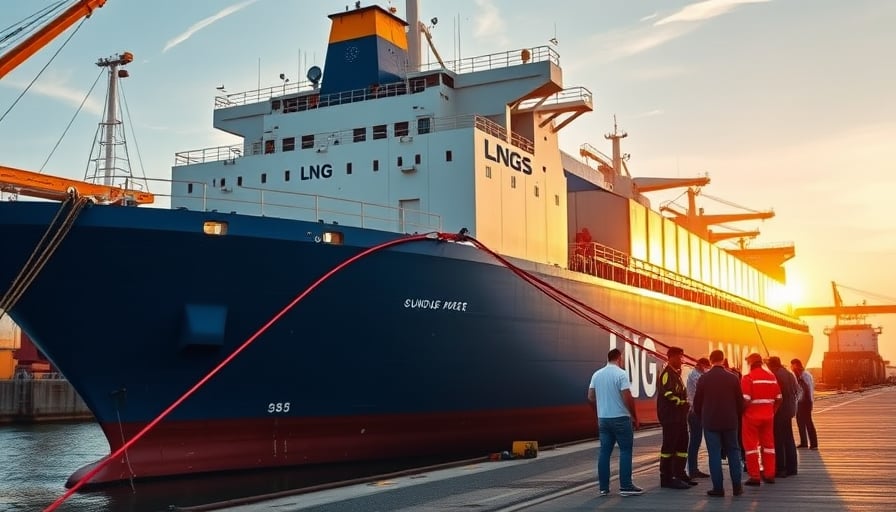
Qatar LNG Outage: Bloomberg noted that a halt in production at one of Qatar’s largest LNG facilities is expected to eliminate most of the 2026 surplus forecast by Morgan Stanley. Qatar’s share of the global LNG market is significant; its outage raises immediate concerns about supply adequacy, especially for European customers still recovering from the 2025‑26 winter shortfall.
Nigeria LNG Cargo Diversion: According to Punch NG, a cargo originally earmarked for Asian markets has been redirected to other destinations amid a sharp price surge. Nigeria’s LNG output is an important source for the Middle East, and any diversion indicates a tightening of the regional supply chain.
These disruptions feed directly into price volatility, as the market reacts to the perceived tightening of supply in the short‑term.
Speculative Activity in U.S. Natural‑Gas Instruments
In the United States, a noticeable uptick in options trading has emerged. American Banking News reported a high volume of call options being purchased on the United States Natural Gas Fund (UNG). While the specific details of the trades are not disclosed, the trend signals that investors are positioning themselves for a potential rise in gas prices. This speculative wave dovetails with the broader market sentiment that prices could climb as supply constraints tighten.
Technical Indicators and Market Sentiment
A technical analysis from Finanza Lastampa highlighted the TTF futures contract for natural gas. On March 6, the TTF futures displayed an expanded margin of profit compared to the previous day, closing at 53.0 €/MWh. This uptick suggests bullish momentum, albeit tempered by the underlying uncertainties. Analysts note that while the technical trend appears positive, it is fragile in the face of evolving geopolitical developments.
Geopolitical Underpinnings
The recent escalation in the U.S.–Israeli–Iran conflict has reverberated across energy markets. Multiple reports—ranging from MoneyControl to Bloomberg—detail the fallout:
Oil and Gas Prices Rise: The conflict has pushed Brent crude above USD 100 per barrel, a level not seen in over three years. Although the primary focus is often on crude, the spillover effect on gas is equally pronounced as shipping routes and production hubs are threatened.
Middle‑East Supply Disruption: The United States’ decision to avoid strikes on Iranian energy infrastructure, as reported by MalayMail, is a strategic move to prevent further destabilization. However, the mere threat of targeting Iranian facilities keeps global markets on edge.
Currency and Economic Ripple Effects: Euro traders have noted that the energy crisis is exerting downward pressure on the euro, which in turn can influence import costs and overall demand for natural gas within the European Union.
Market Outlook
The convergence of supply disruptions, heightened geopolitical risk, and speculative positioning has created a complex environment for natural‑gas pricing. Key takeaways for market participants include:
Supply Concerns Remain Dominant: With key LNG exporters like Qatar and Nigeria experiencing operational challenges, the risk of a supply shortfall persists.
Price Volatility Is Likely to Persist: Short‑term spikes are probable, especially in regions directly affected by the Qatar outage and the diverted Nigerian cargo.
Investor Sentiment Is Mixed: While options activity on UNG points to bullish expectations, technical indicators in the TTF market suggest caution.
Geopolitical Developments Will Be Decisive: Any escalation or de-escalation in the U.S.–Israel–Iran conflict could serve as a catalyst for rapid price swings.
In summary, natural‑gas markets are navigating a period of heightened complexity. Participants who monitor both the geopolitical narrative and the underlying supply chain disruptions will be better positioned to anticipate and respond to the rapid shifts that define the current trading week.