Netflix Faces Backlash Over The Altruists and Intensifying Streaming Competition
Netflix Inc. (NASDAQ: NFLX) released the drama series The Altruists on 19 November 2026. The show, which dramatizes the collapse of the cryptocurrency exchange FTX, has sparked a heated debate within the crypto community. Binance co‑founder Changpeng Zhao—better known as CZ—publicly criticized the series on X, arguing that it mischaracterizes the roles of key figures such as Sam Bankman‑Fried and Caroline Ellison and unfairly portrays Zhao as a principal villain. The criticism underscores the risk that creative content can influence public perception of real‑world events, a concern that Netflix must manage carefully as it continues to produce original programming that intersects with current affairs.
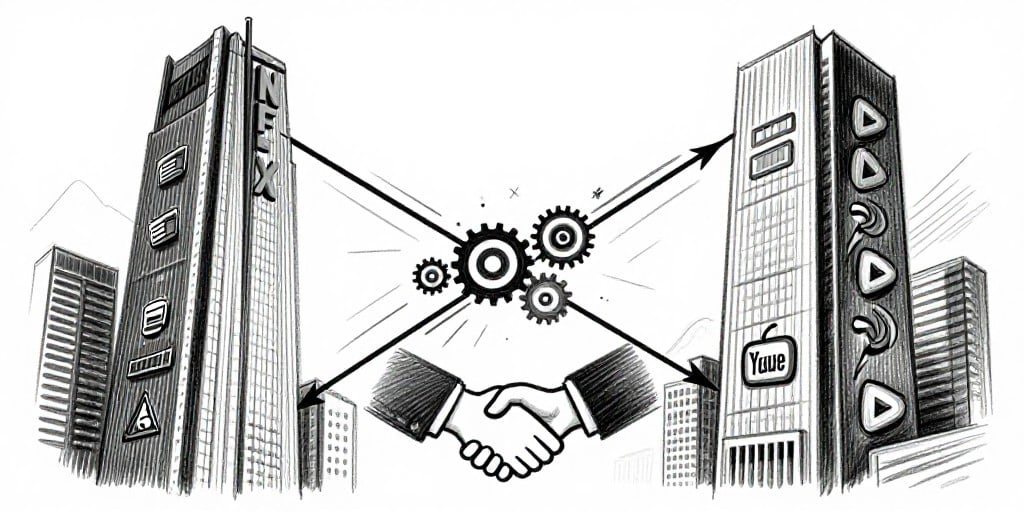
While the controversy has drawn media attention, Netflix is also confronting broader industry challenges. According to a report by Finanznachrichten.de dated 21 November, the streaming landscape is becoming increasingly crowded. YouTube and a host of emerging competitors are scaling up their content offerings and marketing budgets. Even the company’s CEO acknowledges that the competitive threat is at an early stage, suggesting that Netflix may need to invest further in original content and strategic partnerships to maintain its market dominance.
Despite the competitive pressure and the recent controversy, Netflix’s financial fundamentals remain solid. As of 22 November 2026, the stock closed at $58.10, a modest decline from the 52‑week high of $109.73 and only slightly above the 52‑week low of $56.56. The company’s market capitalization stands at approximately $232.95 billion, and its price‑earnings ratio is 16.52. These metrics indicate a valuation that is neither overly inflated nor depressed, suggesting that the market views Netflix’s growth prospects as stable even as it navigates industry headwinds.
In the broader market context, the S&P 500 experienced a notable rebound on 23 November after a sharp decline earlier in the week, driven in part by Nvidia’s dramatic market‑cap gains. Although Nvidia’s volatility has drawn attention to the technology sector, Netflix’s performance remains largely insulated from such fluctuations, reflecting its unique position as a content‑centric enterprise rather than a hardware or chip developer.
In summary, Netflix is grappling with dual pressures: a high‑profile backlash over a recent series and intensified competition from other streaming platforms. The company’s robust valuation metrics and strategic focus on original content may help it weather these challenges, but the evolving media landscape will require continual adaptation to preserve its leadership position in global entertainment.