In the rapidly evolving landscape of the Information Technology sector, Wuxi New Hongtai Electrical Technology Co., Ltd., a company listed on the Shanghai Stock Exchange, stands as a testament to both innovation and the challenges inherent in the electronic equipment, instruments, and components industry. With a market capitalization of 7.04 billion CNY and a close price of 47.52 CNY as of March 31, 2026, the company’s financial metrics paint a picture of a firm that is both ambitious and fraught with the volatility characteristic of the tech sector.
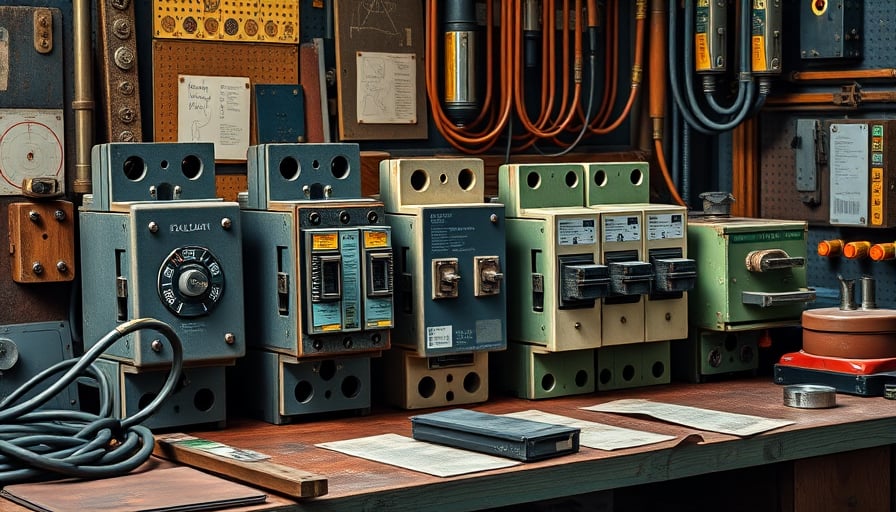
Founded in 2008 and headquartered in Wuxi, China, New Hongtai has carved a niche for itself in the research, development, production, and sale of critical components such as circuit breakers, low-voltage circuit breakers, and knife-melt switches. These components are indispensable in the realm of electrical engineering, serving as the backbone for a myriad of applications ranging from industrial machinery to residential electrical systems. The company’s portfolio, which includes BMC/SMC molded insulation products for circuit breakers, motors, and electric motors, alongside molding articles and materials, underscores its commitment to innovation and quality.
However, the financial indicators of New Hongtai reveal a narrative of caution. With a price-to-earnings ratio of 104.54, the company is positioned at a premium, suggesting investor confidence in its future growth prospects. Yet, this optimism is tempered by the reality of its stock performance, which has seen a significant fluctuation over the past year, with a 52-week high of 50.9 CNY and a low of 22.07 CNY. This volatility is indicative of the broader challenges facing the electronic equipment sector, where rapid technological advancements and shifting market demands can swiftly alter a company’s fortunes.
The juxtaposition of New Hongtai’s innovative product offerings against its financial volatility raises critical questions about the sustainability of its business model in the face of an ever-changing technological landscape. The company’s ability to navigate these challenges will be crucial in determining its long-term viability and its capacity to maintain its position as a leader in the electronic components industry.
Moreover, the broader implications of New Hongtai’s performance extend beyond its immediate stakeholders. As a player in the Information Technology sector, its success or failure has ramifications for the Chinese economy and the global tech industry at large. The company’s trajectory will likely influence investor sentiment towards Chinese tech firms, potentially affecting foreign investment flows and shaping the competitive dynamics of the global electronics market.
In conclusion, Wuxi New Hongtai Electrical Technology Co., Ltd. embodies the dual nature of the Information Technology sector: a realm of boundless innovation and relentless competition. As the company continues to navigate the complexities of the electronic equipment, instruments, and components industry, its journey will offer valuable insights into the challenges and opportunities that lie ahead for tech firms in China and beyond. The coming years will undoubtedly test New Hongtai’s resilience, adaptability, and strategic acumen, as it seeks to solidify its legacy in the annals of technological advancement.