Nintendo Co. Faces a Sharp Production Cutback on Switch 2 Amid Weak US Demand
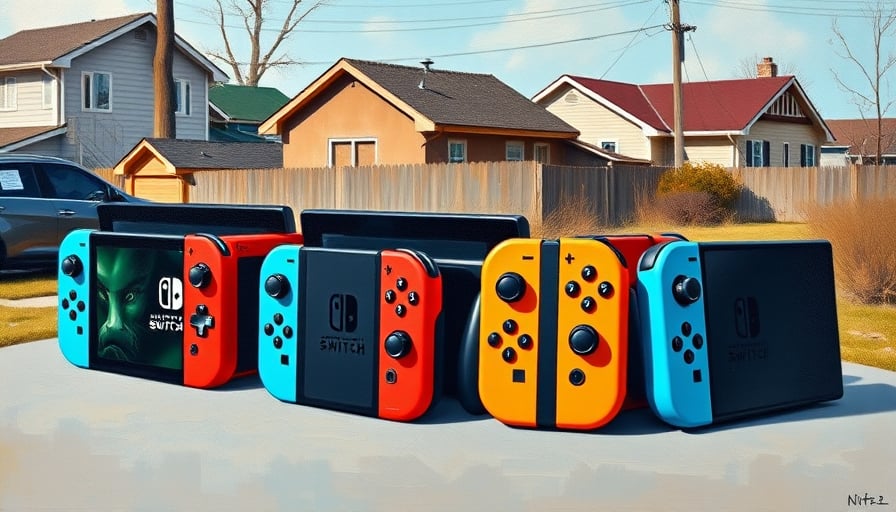
Nintendo Co. Ltd., the Kyoto‑based developer and manufacturer of household leisure equipment, announced a dramatic reduction in the production of its flagship console, the Switch 2. The company will now manufacture only 4 million units this quarter—30 % fewer than the previously announced 6 million—and the lowered output is slated to continue into April.
The decision comes after a disappointing holiday season, particularly in the United States, where sales of the $450 console failed to meet expectations. While the Switch 2 enjoyed a record‑setting launch in June and continued success with titles such as Pokémon Pokopia, the broader market response has been tepid. The Japanese domestic market, although still strong, is hampered by the launch of a lower‑priced, unprofitable variant that has not translated into U.S. momentum.
Market Reaction
Shares of Nintendo, trading under the ticker NTDOF, fell sharply on Tuesday. The stock slid 6.3 % early afternoon in Tokyo, marking the most substantial intraday decline since February 4. The market’s reaction underscores investor concerns that the company’s ambitious growth strategy for the Switch 2 is faltering.
Implications for Nintendo’s Strategic Position
Nintendo’s core business—developing, manufacturing, and selling video game hardware and software—has long relied on the balance between innovation and mass appeal. The recent production cut signals a stark reassessment of this balance:
- Demand Disparity: The U.S., a key growth market, has not embraced the Switch 2 at the scale required to sustain higher production volumes. This suggests a misalignment between the console’s positioning and the preferences of a critical demographic.
- Profitability Pressure: The lower‑priced Japanese variant, while boosting domestic sales, is unprofitable. The company’s reliance on it could erode overall margins, especially if U.S. sales remain weak.
- Competitive Landscape: With rivals such as Sony and Microsoft expanding their own consoles, Nintendo’s reduced output could cede market share to competitors that better satisfy the evolving demands of gamers.
Financial Snapshot
- Close Price (2026‑03‑22): ¥9,432
- 52‑Week High (2025‑08‑17): ¥14,795
- 52‑Week Low (2026‑03‑19): ¥1,084.53
- Market Cap: ¥11,221,637,005,312
- P/E Ratio: 246.121
Given the steep price‑earnings ratio, investors are scrutinizing whether Nintendo’s current trajectory justifies the high valuation, especially in light of the recent production cut.
Forward‑Looking Statements
Nintendo’s management has not yet clarified whether the production cut will be permanent or temporary. The company’s statement that the reduced output rate will continue in April suggests a cautious, data‑driven approach: Nintendo appears to be testing the waters before committing to a long‑term strategy shift.
Conclusion
Nintendo Co. Ltd. is at a crossroads. The drastic reduction in Switch 2 production reflects a strategic recalibration in response to weak U.S. demand and highlights broader challenges in maintaining growth in a crowded console market. Investors and industry observers will be watching closely to see whether Nintendo can regain traction, sustain profitability, and preserve its market position amid this pivotal shift.