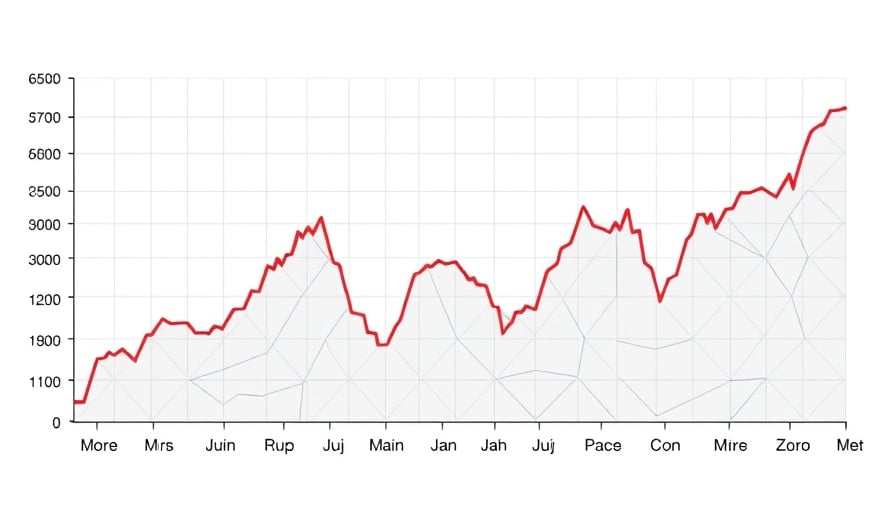
In the volatile world of cryptocurrency, Pendle has emerged as a focal point of discussion, particularly in light of its recent performance metrics. As of April 3, 2026, Pendle’s close price stood at $1.05603, a figure that starkly contrasts with its 52-week high of $6.25761 recorded on August 22, 2025. This dramatic decline underscores the inherent volatility and unpredictability that characterize the crypto market, raising critical questions about the sustainability and future trajectory of Pendle.
The 52-week low, coinciding with the close price on April 3, 2026, at $1.03748, further emphasizes the downward trend Pendle has experienced over the past year. This significant drop from its peak value highlights the challenges faced by investors and stakeholders in navigating the tumultuous crypto landscape. The stark disparity between the high and low points within a relatively short timeframe serves as a cautionary tale for those enticed by the allure of quick gains in the cryptocurrency sector.
Pendle’s market capitalization, currently valued at approximately $170.85 million USD, provides a glimpse into its standing within the broader crypto ecosystem. While this figure may seem substantial, it is imperative to contextualize it within the vast and ever-expanding universe of digital currencies. In comparison to the market caps of leading cryptocurrencies, Pendle’s valuation underscores its position as a smaller player in a highly competitive field. This reality poses significant challenges for Pendle in terms of gaining traction, attracting investment, and achieving long-term viability.
The recent performance of Pendle raises critical questions about the factors contributing to its decline and the potential strategies for recovery. The volatility observed in Pendle’s price trajectory is reflective of broader market dynamics, including regulatory uncertainties, technological advancements, and shifts in investor sentiment. These elements, among others, play a pivotal role in shaping the fortunes of cryptocurrencies and demand careful consideration by stakeholders.
As Pendle navigates these challenges, the path forward requires a strategic approach that addresses the underlying issues contributing to its current predicament. This may involve enhancing technological infrastructure, fostering partnerships, and engaging with regulatory bodies to ensure compliance and build trust. Moreover, clear communication and transparency with investors and the broader community will be crucial in restoring confidence and stabilizing Pendle’s market position.
In conclusion, the case of Pendle serves as a microcosm of the broader challenges and opportunities within the cryptocurrency sector. Its recent performance highlights the volatility and risks inherent in digital currencies, while also underscoring the potential for recovery and growth. As Pendle and similar cryptocurrencies continue to evolve, the lessons learned from their journeys will undoubtedly shape the future of the crypto landscape. Stakeholders must remain vigilant, adaptable, and informed to navigate the complexities of this dynamic and rapidly changing field.