PepsiCo Navigates a Price‑Pushback Phase While Maintaining Earnings Momentum
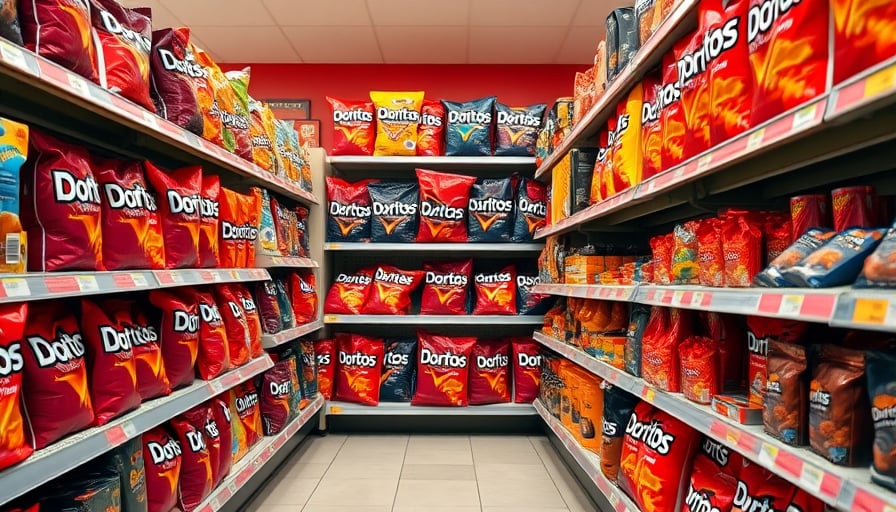
PepsiCo Inc. (NASDAQ: PEP) is confronting a confluence of headwinds that are testing the resilience of its snack division, particularly Frito‑Lay. Over the past month, the company’s flagship product, Doritos, has become the focal point of a pricing controversy that has translated into tangible market‑cap erosion. In the wake of a 50 % price increase over the last four years, the subsidiary’s pandemic‑era pricing strategy has cost PepsiCo approximately $50 billion in market value—a figure that underscores the sensitivity of the consumer‑staples sector to pricing dynamics.
Pricing Shock and Market‑Capital Loss
According to a Fortune.com analysis dated April 7, 2026, Frito‑Lay’s aggressive price hikes have pushed Doritos’ retail price to $7 per bag. The article notes that sales began to slip in 2023, prompting internal concerns about price levels. This pricing trajectory culminated in a sharp decline in the stock, with PEP trading at $153.21 on April 6, 2026—well below its 52‑week high of $171.48 and close to its 52‑week low of $127.60. The market‑cap, currently $214.24 billion, reflects the cumulative effect of these pricing decisions.
Strategic Price Corrections
In response, Frito‑Lay announced a price cut of up to 15 % on popular snack lines, including Doritos and Cheetos. The move, reported by Economic Times (April 7) and corroborated by TipRanks (April 6), aims to re‑engage consumers who had been alienated by the higher price points. However, early market reactions have been muted; the stock slipped further on Tuesday as the cuts failed to satisfy customer sentiment, according to TipRanks. This suggests that the price reductions, while necessary, may be insufficient to offset the reputational damage accrued over the preceding years.
Earnings Outlook and Geopolitical Context
BofA reiterated a “buy” rating for PepsiCo ahead of its forthcoming earnings report (April 7), acknowledging that the company’s core business remains robust. The firm’s earnings guidance remains steady, with analysts citing a 2.3 % revenue growth in the full year, driven by a mix of volume softness and pricing adjustments. Nonetheless, the Middle East has introduced additional uncertainty, as highlighted by Benzinga (April 7). Ongoing geopolitical tensions could pressure supply chains and cost structures, adding complexity to the company’s operational environment.
Sponsorship Exits and Brand Positioning
PepsiCo also withdrew its sponsorship of London’s Wireless Festival following the announcement of Kanye West as headliner (April 5–7). The decision, echoed by Diageo, was a strategic branding move aimed at distancing the company from potential reputational risk. While this withdrawal temporarily removed a marketing channel, the long‑term impact on brand equity remains to be seen.
Investor Activity and Capital Structure
Recent institutional activity suggests a mixed sentiment among investors. Cadence Bank and Oakworth Capital each purchased several thousand shares (4,006 and 173 shares, respectively) in early April, signaling confidence in the company’s long‑term trajectory. Zacks Investment Ideas highlighted PepsiCo alongside Altria and Verizon as outliers in 2026, noting strong cash flow and market outperformance amid volatility.
Forward‑Looking Assessment
PepsiCo’s core consumer‑staples platform remains a formidable asset, supported by a diversified product portfolio and a resilient global distribution network. However, the price‑pushback episode underscores the delicate balance between revenue maximization and consumer loyalty. The upcoming earnings report will be pivotal in determining whether the price cuts translate into measurable volume recovery and whether the company can sustain its earnings growth trajectory in an increasingly price‑sensitive market.
Given the company’s sizeable market cap and a P/E ratio of 26.08—consistent with industry peers—there is a compelling argument for a cautious buy stance. Investors should, however, monitor the effectiveness of Frito‑Lay’s pricing strategy, geopolitical developments in the Middle East, and the broader macroeconomic environment that could influence consumer discretionary spending.
In sum, PepsiCo is navigating a complex landscape of pricing recalibration, geopolitical risk, and brand stewardship. Its ability to align price strategy with consumer expectations while maintaining earnings stability will be the key determinant of its long‑term value proposition.