2026‑03‑20: A Tangled Web of Volatility, Liquidity, and a Surge in Energy‑Related Shares
A day that began with a tentative rally in the Shanghai Composite, only to collapse beneath the 4,000‑point threshold, culminated in a sharp, sector‑specific rally that left many investors bewildered. The market’s reaction was a textbook illustration of how macro‑uncertainty can coexist with micro‑sector optimism, and why liquidity flows can reverse course within minutes.
The Market’s Fragile Pulse
- Shanghai Composite fell 1.24 % to 3,957.05 points after an early‑morning dip below 4,000, signaling a lack of confidence in the broader equity universe.
- Shenzhen Composite declined marginally, closing at 13,866.20 points (–0.25 %).
- ChiNext (创业板), however, surged 1.30 % to 3,352.10 points, hinting at a continued appetite for growth‑oriented stocks amid the chaos.
Despite the overall sell‑off, trading volume surged to 2.29 trillion CNY, a 17.59 billion‑CNY increase from the previous day, underscoring the market’s liquidity appetite even as fear pervaded.
Liquidity Flow: A Power‑Play in Power‑Equipment
The power‑equipment sector emerged as the most active, attracting 70.5 billion CNY of net inflows from institutional money. This was the largest inflow among all sectors on the day, with the power‑equipment industry’s net inflow topping the chart at 70 billion CNY. This flow was mirrored in the north‑bound and “play‑money” (游资) activities, which focused heavily on 上能电气 (300827.SZ), a company that captured 2.34 billion CNY of “play‑money” purchases on the day.
| Sector | Net Inflow (CNY) |
|---|---|
| Power‑Equipment | 70 billion |
| Communications | 1.55 billion |
| Coal | 1.48 billion |
The data confirm that power‑equipment, a key pillar of China’s renewable‑energy push, is a magnet for institutional capital even when the broader market is in retreat.
Energy‑Sector Surges: Lithium, Sodium, and Solar
The energy‑related sub‑sector delivered the day’s most headline‑grabbing performance:
| Index | Change |
|---|---|
| Lithium‑Electrolyte | +2 % |
| Sodium‑Ion | +2 % |
| Energy Storage | +2 % |
| Power‑Battery | +2 % |
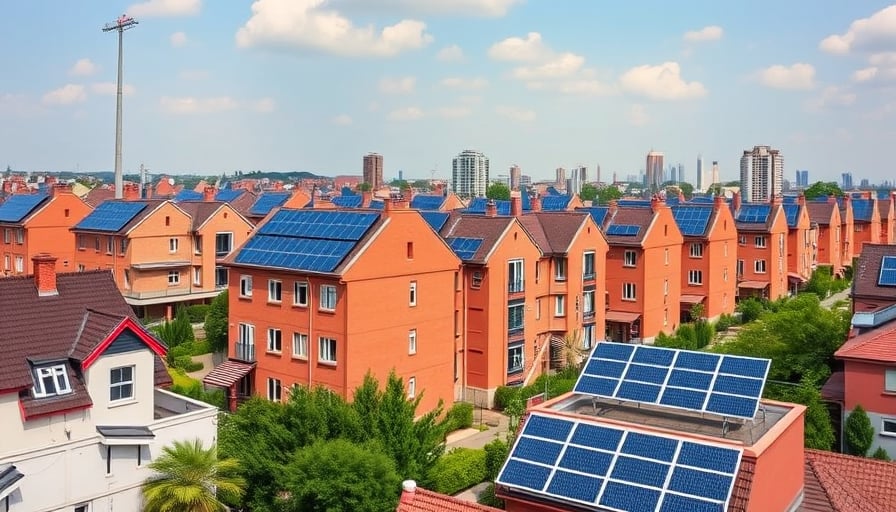
Large‑cap lithium‑mining and lithium‑material stocks, such as 石大胜华 (603026.SH) and 上能电气 (300827.SZ), hit limit‑up levels, driving the sector’s momentum. Meanwhile, the solar‑panel chain experienced a massive rally, with the entire solar‑industry index advancing 2.90 % and the solar‑equipment sub‑index surging +6 % mid‑day.
The rally was bolstered by a high‑profile announcement that Tesla intends to procure 29 billion CNY (≈200 billion USD) of photovoltaic equipment from Chinese suppliers, a move that reverberated across the solar‑equipment supply chain.
Institutional Activity and the “龙虎榜” Phenomenon
On the day, 56 stocks appeared on the “龙虎榜” (bid‑ask rank list), with a total trade volume of 241.94 billion CNY. The most significant net purchase was by 源杰科技 (688498.SH), which amassed 19.11 billion CNY over three days. Meanwhile, 上能电气 (300827.SZ) attracted 1.02 billion CNY from “play‑money” traders (游资), indicating a pronounced short‑term buying bias.
The “龙虎榜” institutional data revealed:
- 12 stocks bought and 17 sold by institutions.
- Top three net buyers: 美利云 (000815.SZ), 锦浪科技 (300763.SZ), 永臻股份 (603381.SH).
- Top three net sellers: 源杰科技 (688498.SZ), 中际旭创 (300058.SZ), 阳光电源 (300274.SZ).
The contrast between institutional sellers and “play‑money” buyers underscores a classic “short‑term, high‑risk, high‑return” dynamic that can inflate prices irrespective of underlying fundamentals.
What This Means for Investors
- Sectoral Divergence Is the New Norm – Even as the macro market weakens, targeted sectors like power‑equipment, lithium, and solar can still thrive.
- Liquidity Is Decoupled From Sentiment – Institutional money flowed into power‑equipment in record volumes, suggesting that fundamentals (e.g., government renewable‑energy mandates) can override short‑term market pessimism.
- “Play‑Money” Drives Short‑Term Volatility – The “龙虎榜” activity indicates that speculative capital can push prices to limit‑up levels, creating short‑term “price bubbles.”
- Tesla’s Procurement Plan Is a Catalyst – The announcement that Tesla will buy billions of CNY in photovoltaic equipment has a ripple effect across the solar‑equipment chain, boosting valuations in a way that may not be fully justified by current earnings.
Conclusion
The market on 2026‑03‑20 epitomizes the paradox of today’s Chinese equity landscape: a broad, fearful sell‑off contrasted with sectoral rallies fueled by policy momentum, institutional flows, and speculative buying. For investors, the lesson is clear: pay close attention to sector‑specific dynamics and liquidity flows—they can dramatically skew the broader market’s narrative and offer both risk and reward.